Teeth Braces in Faisalabad: Straighten Teens' Teeth at the Right Age
If your child's teeth are crowded, crooked, or sticking out, you may be wondering whether it is time for braces or whether you should wait. Many parents looking for teeth braces in Faisalabad worry about starting too early, leaving it too late, or putting their teenager through years of treatment. The good news is that the early teenage years are often an ideal time to straighten teeth, because the jaws are still growing and most permanent teeth have come through. A timely orthodontic check helps you plan treatment at the right moment for your child.
What are teeth braces?
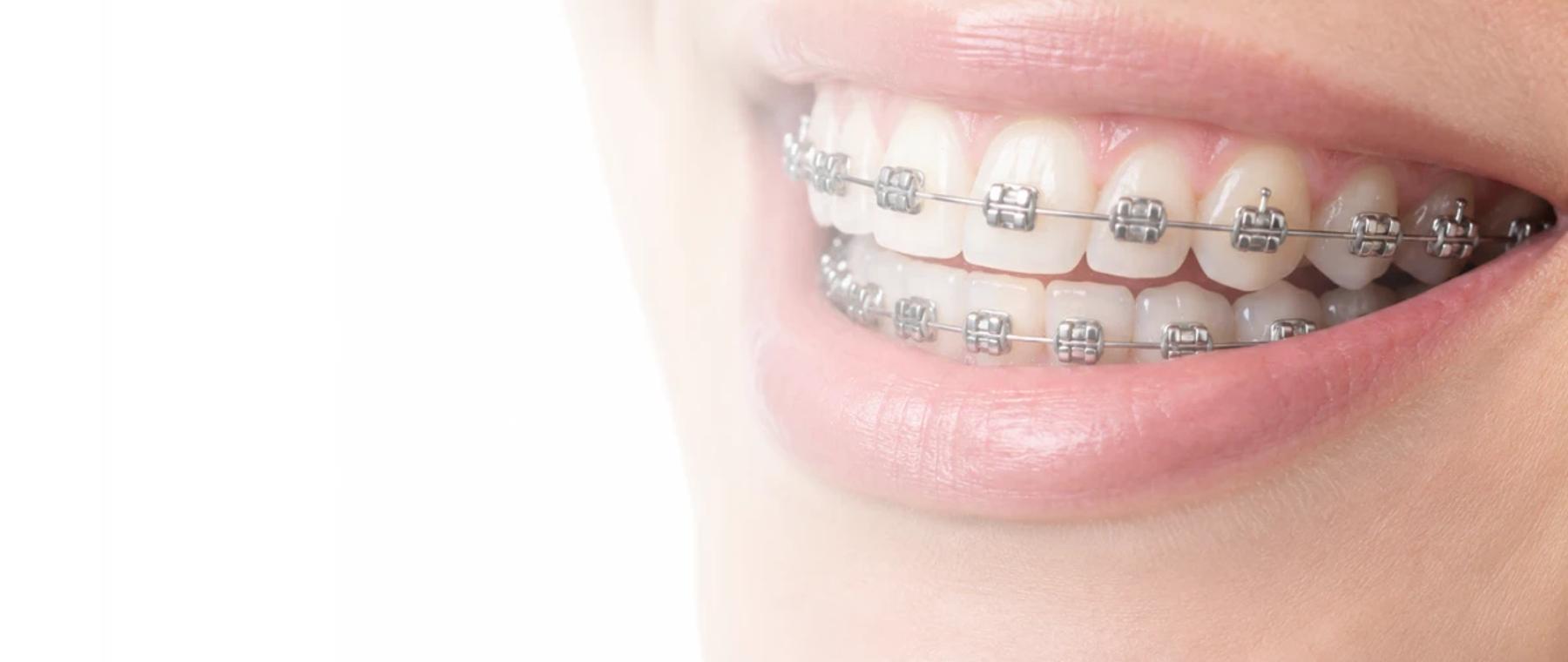
Teeth braces are orthodontic appliances made of small brackets bonded to the teeth and connected by a thin wire. By applying gentle, controlled pressure over months, braces gradually move teeth into better positions and can improve the bite. Most teens wear them for about 18 to 24 months, followed by retainers.
You can read more about the treatment on our dental braces page.
What is the right age for braces?
There is no single perfect age, but timing matters. The American Association of Orthodontists recommends that children have their first orthodontic check by age 7, when a mix of baby and permanent teeth lets problems be spotted early. Most children who need full braces start treatment between about 11 and 14 years of age.
Here is how timing usually works:
- Around age 7: a first check to spot bite or jaw problems early. Most children simply need monitoring at this stage.
- Ages 8 to 10: some children may need early treatment, such as an expander for a narrow upper jaw or a habit appliance for thumb sucking.
- Ages 11 to 14: the most common time to start full braces, once most permanent teeth have come through and growth can still help.
- Older teens and adults: braces can still work well, although treatment may take longer and some jaw problems are harder to correct once growth has finished.
In our Faisalabad clinic, we often meet parents who waited because a family member said "the teeth will straighten on their own." Sometimes minor crowding does improve slightly, but a check-up is the only reliable way to know whether waiting is sensible or whether the right window is being missed.
Signs your teen may need braces
Your child may benefit from an orthodontic assessment if you notice:
- Crowded, overlapping, or twisted teeth
- Front teeth that stick out noticeably
- Gaps between the teeth
- An overbite, underbite, crossbite, or open bite
- Baby teeth lost very early or very late
- Difficulty biting or chewing, or frequent cheek biting
- Mouth breathing or a jaw that shifts to one side when closing
Crowded teeth are harder to clean and may raise the risk of decay and gum problems. Our guide on what teeth crowding is explains this in more detail.
Types of teeth braces in Faisalabad
Depending on your teen's teeth, budget, and lifestyle, your dentist may discuss:
- Metal braces: stainless steel brackets and wires. They are the most widely used and usually the most affordable option, and they handle a wide range of problems.
- Ceramic braces: tooth-colored brackets that are more discreet than metal. They can cost more and need careful cleaning to avoid staining.
- Clear aligners: a series of removable transparent trays, often suited to mild to moderate crowding in older teens who can wear them consistently.
- Early treatment appliances: such as expanders or habit appliances, used in younger children to guide jaw growth before full braces.
If you are weighing braces against aligners, our comparison of clear aligners vs braces walks through the pros and cons of each.
Who is a good candidate for braces?
Braces are often a good fit for teens who:
- Have most of their permanent teeth
- Have healthy gums and no untreated cavities
- Are willing to brush carefully around brackets and attend regular adjustments
- Have crowding, spacing, or bite problems that affect function or appearance
Braces may need to wait, or another approach may be better, if:
- There is active decay or gum inflammation, which should be treated first
- Oral hygiene is poor, which raises the risk of marks on the teeth around the brackets
- A severe jaw size difference is present, which may need specialist planning or surgery later
- The teen is not ready to follow instructions, as treatment relies on good cooperation
How braces treatment works at DentoCorrect
A typical journey with braces looks like this:
- Consultation: your dentist examines your teen's teeth, bite, and jaw, and discusses your concerns and goals.
- Records and planning: photographs, X-rays, and impressions or scans are used to plan how the teeth will move.
- Fitting the braces: brackets are bonded to the teeth and the wire is placed. The visit usually takes about an hour and does not require injections.
- Regular adjustments: visits every four to six weeks allow your dentist to adjust the wires and check progress.
- Removing the braces: once the teeth are in position, the brackets are removed and the teeth are polished.
- Retainers: a removable or fixed retainer keeps the teeth from drifting back, and wearing it as advised is essential.
Teeth often feel sore for a few days after the braces are fitted and after adjustments. This usually settles with soft foods and simple over-the-counter pain relief.
Caring for teeth during braces
Good care during treatment protects your teen's teeth and keeps treatment on track. A 2025 systematic review in Orthodontics & Craniofacial Research found that white spot lesions, the chalky marks that can form around brackets when plaque is left behind, were commonly seen at the end of fixed orthodontic treatment, with overall prevalence estimates of roughly 20 to 50% (Hussain et al., 2025). Most of this risk can be reduced with good habits.
Help your teen:
- Brush after meals with a fluoride toothpaste, paying attention to the gumline and around each bracket
- Use an interdental brush or floss threader every day
- Limit sugary drinks, sweets, and sticky snacks between meals
- Avoid hard foods such as nuts, ice, and hard sweets that can break brackets
- Wear a mouthguard for contact sports
- Keep every adjustment appointment
Teeth braces in Faisalabad at our People's Colony clinic
Our Faisalabad branch is at 564-B, People's Colony, Satiana Road, Faisalabad. Its location on Satiana Road makes it convenient for families across the city, including People's Colony, D Ground, Madina Town, and Gulberg.
Parents in Faisalabad often choose DentoCorrect because:
- Treatment is carried out by PMDC-registered dentists
- We follow ISO-certified clinical protocols for hygiene and sterilization
- We explain honestly whether your child needs braces now, later, or not at all
- Treatment plans, visit schedules, and costs are explained clearly before treatment begins
For directions and contact details, visit our Faisalabad clinic page.
Braces cost in Faisalabad
The cost of braces depends on:
- The type of braces, such as metal, ceramic, or clear aligners
- How complex the crowding or bite problem is
- How long treatment is expected to take
- Whether early treatment, extractions, or retainers are included
For context, published prices from Faisalabad clinics in 2026 commonly range from about PKR 40,000 to PKR 150,000 for metal braces, and about PKR 100,000 to PKR 400,000 for ceramic braces. When comparing quotes, it is worth asking whether adjustment visits and retainers are included.
The most accurate way to know your cost is a consultation, where your dentist can examine your teen's teeth and give you a clear treatment plan.
Frequently Asked Questions
What is the best age for braces?
Most children who need braces start full treatment between about 11 and 14 years old, once most permanent teeth have come through. An orthodontic check around age 7 is recommended so problems can be spotted early. Some children benefit from early treatment, while many simply need monitoring until the right time.
How long do teens need to wear braces?
Most teens wear braces for about 18 to 24 months, although simple cases may be quicker and complex bite problems can take longer. Treatment time also depends on how well your teen cares for the braces and attends appointments. After braces come off, retainers are needed to hold the teeth in their new positions.
Do braces hurt?
Fitting braces does not usually require injections. Most teens feel pressure and soreness for a few days after the braces are placed and after each adjustment, which usually eases with soft foods and over-the-counter pain relief. Brackets may rub the cheeks at first, and orthodontic wax can help while the mouth adjusts.
Can my teen eat normally with braces?
Most foods are fine, but hard, sticky, and very chewy foods can damage brackets and wires. It helps to cut foods such as apples and carrots into small pieces and avoid nuts, ice, toffee, and hard sweets. Limiting sugary snacks and drinks also lowers the risk of marks and cavities around the brackets.
Are clear aligners better than braces for teens?
Clear aligners can work well for mild to moderate crowding in older teens who wear them for most of the day. Fixed braces are often preferred for complex bite problems or when a teen may forget to wear removable trays. Your dentist will recommend the option that suits your teen's teeth and habits.
What happens after braces come off?
After the brackets are removed, the teeth are polished and a retainer is fitted. Teeth naturally tend to drift back, so wearing the retainer as your dentist advises is essential to keep the result. Many patients wear a retainer full time at first and then only at night.
Book a braces consultation in Faisalabad
If you have noticed crowding, gaps, or bite problems in your child's teeth, an early check can help you choose the right time for treatment. Visit our People's Colony clinic to find out whether teeth braces in Faisalabad are right for your teen. Call +92 346 176 2762 or book online at DentoCorrect book appointment page.