
Scaling and Polishing in Peshawar: A Fresher Smile Before Every Event
If your gums bleed when you brush, your breath does not feel fresh, or your teeth look dull before a wedding or family gathering, a professional clean is often the simplest place to start. Scaling and polishing in Peshawar removes the hardened deposits and surface stains that brushing at home cannot shift, and it gives your dentist a chance to check your gums properly. For most patients it is a short, straightforward appointment, and it often makes teeth feel noticeably smoother and cleaner the same day.
What is scaling and polishing?
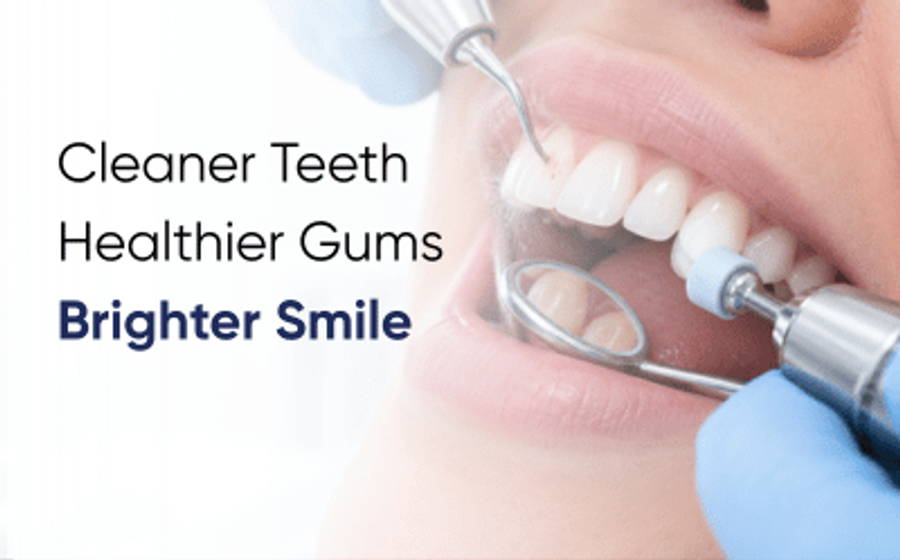
Scaling is the removal of plaque and hardened tartar, also called calculus, from the tooth surfaces and from just below the gumline, usually with an ultrasonic scaler and hand instruments. Polishing then smooths the teeth and lifts surface stains from tea, coffee, paan, or naswar, leaving the enamel cleaner and easier to keep plaque-free.
You can read more about the treatment on our scaling and polishing page.
Why plaque turns into tartar
Plaque is a soft film of bacteria that forms on teeth every day. Where brushing and flossing miss it, minerals from your saliva harden it into tartar within days. Tartar is firmly attached and rough, so it collects more plaque and cannot be brushed away at home.
The result is often gum inflammation, called gingivitis, with signs such as:
- Gums that bleed when you brush or floss
- Red, puffy, or tender gums
- Persistent bad breath or a bad taste
- A build-up you can see or feel, especially behind the lower front teeth
- Gums that look like they are shrinking away from the teeth
Gingivitis is reversible when the deposits are removed and home cleaning improves. If it is left, it can progress in some people to periodontitis, where the supporting bone around the teeth is damaged. That bone loss cannot be reversed, which is why early treatment matters. Our guide on bleeding gums explains the warning signs in more detail.
Scaling and polishing for naswar, paan, and tobacco users
This is a real concern in Khyber Pakhtunkhwa, where naswar use is common. A cross-sectional study of naswar and snuff users in Pakistan published in PLOS One reported higher plaque levels, more bleeding on probing, deeper pockets, and greater attachment loss than in non-users (PLOS One, 2022).
If you use naswar, paan, gutka, or cigarettes, professional cleaning is useful but it is only part of the answer:
- Deposits and stains tend to build up faster, so your dentist may suggest cleaning more often
- Gum recession and pockets should be monitored, not just cleaned
- Your dentist should also check the soft tissues of your mouth, since smokeless tobacco raises the risk of white patches and oral cancer
- Cutting down or stopping does more for your gums than any cleaning alone
How often do you need scaling?
There is no single answer, and honest advice here matters. A 2018 Cochrane review of routine scale and polish in adults found little or no clinical benefit from fixed six-monthly cleanings for people without severe gum disease who already attend the dentist regularly, although routine treatment did reduce tartar slightly (Lamont et al., 2018).
In practice, your dentist will suggest an interval based on your own risk, rather than a fixed rule:
- Healthy gums and good home care: often once a year, or when your dentist advises
- Tartar that builds up quickly, or bleeding gums: commonly every six months
- Naswar, paan, or smoking: often every six months or sooner
- Diabetes, pregnancy, or a history of periodontitis: as advised, sometimes every three to four months
- Braces or fixed retainers: more often, since cleaning around brackets is harder
What scaling and polishing will not do
Being clear about this saves disappointment:
- It does not whiten teeth. It removes surface stains and tartar, so teeth look cleaner and often lighter, but the natural shade of your enamel does not change. If you want a whiter shade, ask about teeth whitening instead.
- It does not regrow lost gum or bone. Treatment aims to stop further damage and settle inflammation.
- It does not weaken enamel. Ultrasonic scaling removes deposits, not healthy tooth structure. Teeth can feel more sensitive for a few days, and any gaps you notice afterward were usually hidden by tartar.
- It is not always enough on its own. Deeper pockets may need scaling and root planing, a more thorough clean below the gumline, sometimes with local anesthesia and more than one visit.
What to expect at your appointment
A typical scaling and polishing visit at DentoCorrect includes:
- Examination: your dentist checks your teeth, gums, and the amount of tartar, and asks about bleeding, sensitivity, and your medical history.
- Scaling: an ultrasonic scaler and hand instruments remove tartar from the tooth surfaces and just below the gumline.
- Polishing: a rotating cup with polishing paste smooths the teeth and lifts surface stains.
- Rinse and check: your dentist reviews any areas that need extra attention or further treatment.
- Advice: you are shown the spots you are missing at home, with brushing and cleaning tips for those areas.
Most appointments take around 30 to 45 minutes. If you have heavy deposits or inflamed gums, your dentist may plan a second visit or a deeper clean.
Tell your dentist if you are pregnant, have diabetes, take blood thinners, have a bleeding disorder, or have a heart or joint condition, as this may change how treatment is planned.
Aftercare
- Expect some tenderness and mild sensitivity to cold for a few days
- Rinse with warm salty water if your gums feel sore
- Use a soft brush, brushing gently twice a day
- A toothpaste for sensitive teeth can help for a week or two
- Clean between your teeth daily with floss or interdental brushes
- Some bleeding when brushing can continue for a few days while the gums settle; if it persists for more than a week or two, go back to your dentist
Persistent bad breath can also improve after a clean. Our guide on how to get rid of bad breath covers the other common causes.
Scaling and polishing in Peshawar at our Hayatabad clinic
Our Peshawar branch is at Shop No. 8B, Sami Tower, Hayatabad Toll Plaza, Ring Road, Peshawar. Its position on Ring Road near the Hayatabad Toll Plaza makes it easy to reach from across the city.
Patients in Peshawar often choose DentoCorrect because:
- Treatment is carried out by PMDC-registered dentists
- We follow ISO-certified clinical protocols for hygiene and sterilization
- We check your gums and soft tissues, not just clean the teeth
- We explain how often you actually need cleaning, rather than selling a fixed package
- Costs are explained clearly before treatment begins
For directions and contact details, visit our Peshawar clinic page.
Scaling and polishing cost in Peshawar
The cost depends on:
- How much tartar and staining is present
- Whether one visit or more is needed
- Whether you need routine scaling or a deeper clean below the gumline
- Any additional treatment, such as fillings or gum treatment
For context, published prices across Pakistan in 2026 commonly fall between about PKR 6,500 and PKR 9,000 for a routine scaling and polishing, with deep cleaning quoted higher. Prices in Peshawar are not widely published, so it is worth asking what a quote includes.
The most accurate way to know your cost is a consultation, where your dentist can check your gums and tell you whether a routine clean or deeper treatment is needed.
Frequently Asked Questions
Does scaling damage or weaken teeth?
No. Scaling removes tartar and plaque, not healthy tooth structure. Teeth may feel sensitive for a few days and gaps that were filled with tartar can become noticeable, which some patients mistake for damage. Our article on whether scaling damages teeth explains this in more detail.
Is scaling painful?
Most patients find routine scaling uncomfortable rather than painful, with some vibration and cold water spray. If your gums are very inflamed or you need a deeper clean below the gumline, your dentist can numb the area with local anesthesia so you stay comfortable throughout the appointment.
Will scaling make my teeth whiter?
Scaling and polishing remove tartar and surface stains from tea, coffee, paan, and naswar, so teeth often look cleaner and brighter. However, the natural color of your enamel does not change. If you want a lighter shade, professional whitening is the treatment that changes tooth color.
How often should I get scaling done?
It depends on your gum health, how quickly tartar builds up, and habits such as smoking or naswar use. Many patients are advised every six months, while those with healthy gums may need it less often and patients with gum disease more often. Your dentist will recommend an interval for you.
Can I get scaling during pregnancy?
Yes, routine dental cleaning is generally considered safe during pregnancy, and gums often become more inflamed at this time. Tell your dentist you are pregnant and how many weeks along you are. The second trimester is often the most comfortable time for a routine appointment.
Why do my gums bleed after scaling?
Inflamed gums often bleed a little during and after cleaning, because the tissue is already irritated by plaque and tartar. This usually settles within a few days as the gums heal, especially with gentle brushing and daily cleaning between the teeth. If bleeding continues beyond a week or two, see your dentist.
Book a scaling and polishing appointment in Peshawar
If your gums bleed, your breath needs freshening, or you want cleaner teeth before an event, a professional clean is a good place to start. Visit our Hayatabad clinic for scaling and polishing in Peshawar. Call +92 347 370 9783 or book online at DentoCorrect book appointment page.