

Top 6 Teeth Pain Tablets in Pakistan
Tooth pain can strike at the worst possible times during work, late at night, or before an important event. Most people reach for teeth pain tablets for immediate relief. While these medicines can temporarily ease discomfort, tooth pain often signals an underlying dental issue that needs professional care. When the nerve inside the tooth is already involved, that treatment is usually root canal treatment rather than another tablet.
In Pakistan, many rely on a teeth pain tablet or a strong painkiller for fast relief. However, using the right medicine safely and understanding when to consult a dentist is essential to avoid complications. This content is for informational purposes only and does not replace professional medical advice. Always consult a qualified dentist or healthcare provider before taking any medication or making treatment decisions.
Best Tablets for Toothache: Medicines That Work
If you are searching for a tablet for toothache, it’s important to know that different medicines work in different ways. Some reduce pain, some reduce inflammation, and others provide long-lasting relief. Here’s a detailed guide:
1. Brufen (Ibuprofen)
Brufen (Ibuprofen) is a non-steroidal anti-inflammatory drug (NSAID) that helps reduce pain and inflammation. It is commonly used for toothaches caused by gum swelling, dental abscesses, or mild infections.
How it works Brufen blocks the production of chemicals called prostaglandins that cause pain and inflammation, helping to relieve both discomfort and swelling.
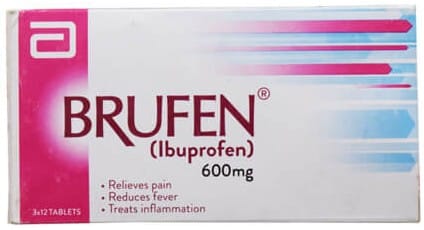
- Benefits: Provides fast relief from throbbing pain and reduces inflammation, making it suitable for post-extraction pain or general toothache.
- Precautions: Avoid using on an empty stomach to prevent irritation. People with kidney problems, ulcers, or heart conditions should consult a doctor before use.
- Side effects: Stomach irritation, nausea, heartburn, dizziness, or kidney issues if overused.
2. Panadol (Paracetamol)
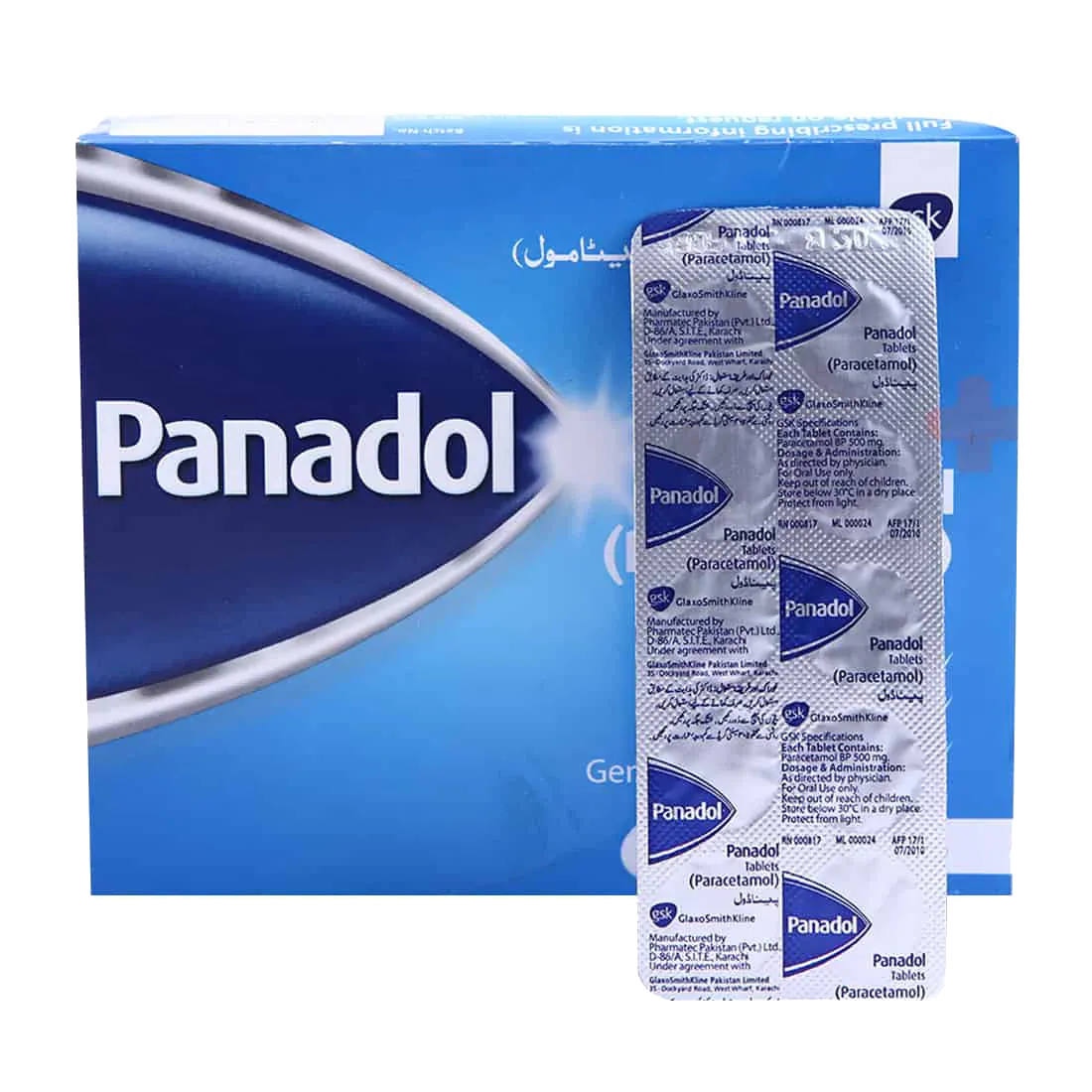
Panadol is a safe and commonly used medicine for mild to moderate tooth pain, especially when inflammation is not the main issue.
- How it works: It blocks pain signals in the brain, providing relief from discomfort and sensitivity.
- Benefits: Safe for most people, including pregnant women and those who cannot take NSAIDs. Ideal for mild gum pain or tooth sensitivity.
- Precautions: Do not exceed the recommended dose. Avoid combining with other medicines containing paracetamol.
- Side effects: High doses can harm the liver. Mild allergic reactions may occur in rare cases.
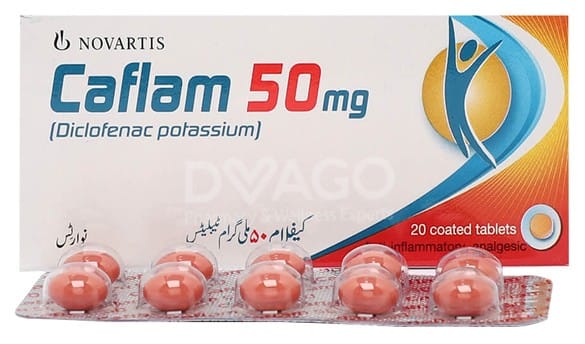
3. Caflam (Diclofenac)
Caflam (Diclofenac) is a stronger anti-inflammatory tablet for moderate to severe tooth pain. It is often prescribed for post-dental surgery pain, abscesses, or inflamed gums.
How it works: Reduces the chemicals causing inflammation and pain in the affected area.
Side effects: Stomach irritation, nausea, dizziness, or increased blood pressure. Rarely, it can cause allergic reactions.
4. Flexin
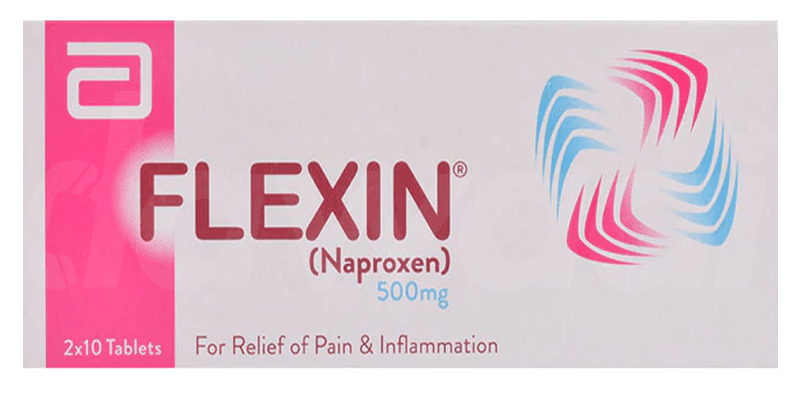
Flexin helps with inflammation-related toothaches and gum discomfort. It provides long-lasting relief.
How it works Reduces prostaglandins to decrease pain and swelling in the oral cavity.
- Benefits: Can be taken less frequently due to its extended effect, suitable for managing post-procedural pain.
- Precautions: Avoid combining with other NSAIDs. Should be taken after meals.
- Side effects: Mild stomach irritation, nausea, or dizziness may occur.
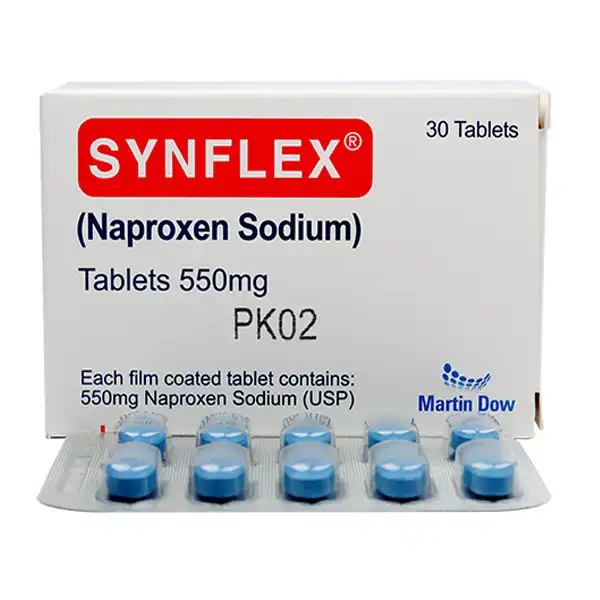
5. Synflex
Synflex is a long-acting anti-inflammatory tablet used for moderate to severe tooth pain, gum swelling, or post-dental surgery discomfort.
- How it works: Provides extended pain relief by reducing inflammation over several hours.
- Benefits: Ideal for patients needing longer-lasting pain control without frequent dosing.
- Precautions: Take as directed; not suitable for patients with severe kidney or liver problems.
- Side effects: Mild dizziness, nausea, or stomach upset.
6. Ponstan Fort
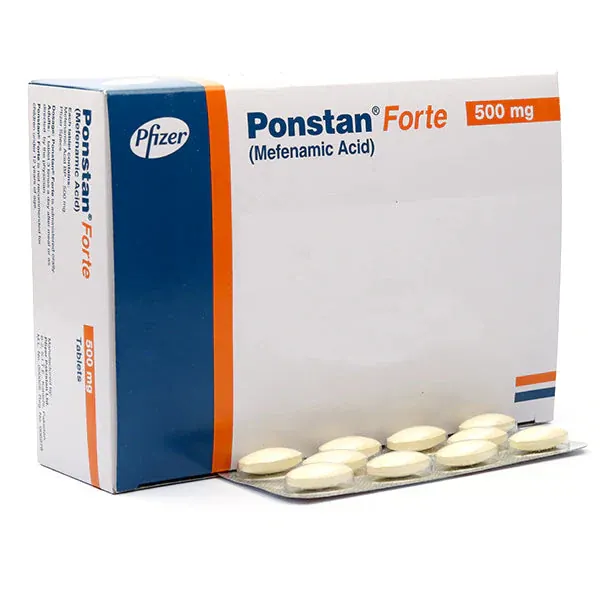
Ponstan contains mefenamic acid, commonly prescribed for moderate tooth pain, gum swelling, or after extraction pain.
- How it works: Acts as an anti-inflammatory and analgesic to reduce discomfort and swelling.
- Benefits: Fast-acting and effective for dental pain that is not severe enough for stronger NSAIDs.
- Precautions: Take with food to reduce stomach irritation. Avoid long-term use without doctor guidance.
- Side effects: Heartburn, mild headache, nausea, or stomach upset. Rarely, allergic reactions.
7. Other Common Medicines
Naproxen: NSAID for tooth pain and gum swelling; long-lasting effect.
Tramadol: Mild opioid for extreme pain under strict supervision.
Aceclofenac: Reduces inflammation and post-surgery dental pain, similar to diclofenac.
Important Precautions for Teeth Pain Tablets
Using any teeth pain tablet incorrectly can lead to side effects. Keep these in mind:
- Follow the prescribed dosage carefully.
- Avoid mixing multiple medicines without medical advice.
- Take medicines after meals to reduce stomach irritation.
- Long-term reliance is unsafe.
Overusing a tooth pain killer can cause digestive issues, liver or kidney complications, or other side effects.
What to Avoid for Tooth Pain
- Self-medicating with strong painkillers repeatedly
- Mixing multiple NSAIDs (e.g., ibuprofen + diclofenac)
- Taking antibiotics without prescription
- Ignoring pain for several days
- Applying harmful home remedies (e.g., chemicals, crushed tablets on gums)
When to See a Dentist
Seek professional care if:
- Pain persists for more than 1–2 days
- Swelling appears in gums or face
- Fever accompanies toothache
- Pain worsens despite taking a tablet for toothache
- Sensitivity becomes severe
Frequent reliance on a tooth pain tablet is a sign that dental treatment is needed. Pain that sits behind your last molar is more often a wisdom tooth, which may need surgical tooth extraction rather than painkillers.
Conclusion
A tablet for teeth pain can provide fast, temporary relief, whether it’s Brufen, Panadol, or another painkiller. However, relying on tablet for toothache, or frequent use of a tooth pain tablet, is not a permanent solution. Tooth pain signals a problem that needs attention. If the nerve has died, understanding what root canal treatment involves makes the decision easier.
Consulting a dentist early can save your tooth, prevent infections, and ensure long-term oral health. At DentoCorrect, our dental experts across Lahore, Islamabad, and Karachi provide safe and effective treatment for tooth pain and underlying dental issues. You can book an appointment at your nearest branch.