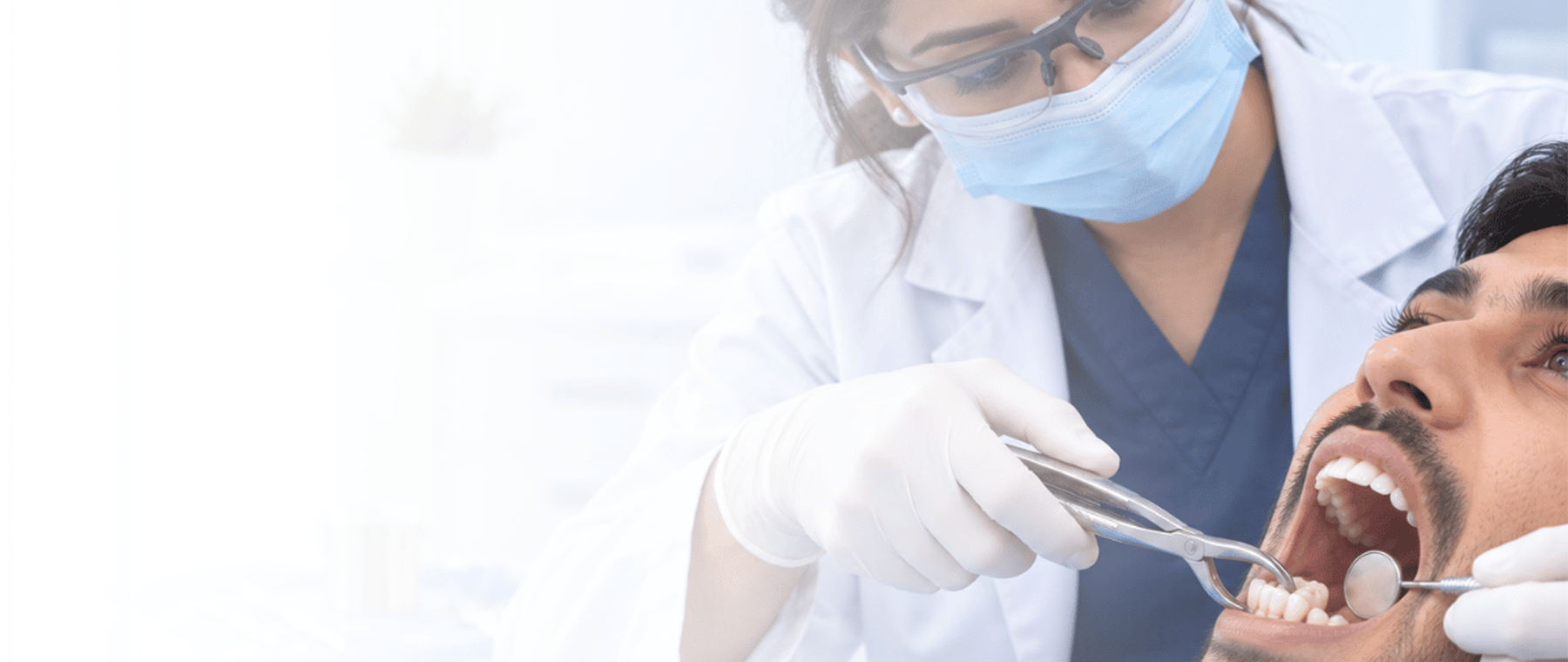

Tooth Extraction in Islamabad: A Broken Tooth Beyond Repair? Next Steps
When a tooth breaks at the gumline or a long-standing infection keeps coming back, the question is no longer whether it hurts but whether the tooth can be saved. Most of the time it can. Tooth extraction in Islamabad is the last option your dentist should reach for, not the first, and it is usually recommended only when a root canal, filling, or crown cannot give the tooth a reliable future. If removal is the right decision, knowing what happens next, including how to replace the tooth, makes it much easier.
When is a tooth beyond saving?
Your dentist will usually recommend extraction when:
- The tooth is fractured vertically down into the root
- Decay extends so far below the gum that no filling or crown can seal it
- Advanced gum disease has destroyed the supporting bone and the tooth is loose
- A root-treated tooth has reinfected and retreatment is not realistic
- The root is resorbed or badly damaged after trauma
- A severe infection is spreading and the tooth is the source
- A tooth must be removed to make space for orthodontic treatment
When the tooth can often be saved instead
Before agreeing to removal, ask what the alternatives are. A tooth can often be kept with:
- Root canal treatment when the nerve is infected but enough structure remains
- A crown when the tooth is cracked or heavily filled but the root is sound
- A filling or onlay for decay with healthy tooth around it
- Gum treatment when the problem is inflammation rather than bone loss
- Retreatment of an old root canal when a previous treatment has failed
Our article on root canal treatment vs extraction sets out how that decision is usually made, and our guide on how to fix a cracked tooth explains which cracks can be repaired.
Saving a natural tooth is generally preferable. It keeps your bite as it is, avoids the cost of replacement, and preserves the bone that supports neighboring teeth.
Simple versus surgical extraction
- Simple extraction: for a tooth that is visible and accessible. The tooth is loosened and lifted out under local anesthesia, usually in a short appointment.
- Surgical extraction: for a tooth that is broken at the gumline, buried, or has curved roots. It involves a small gum incision, sometimes removing a little bone or dividing the tooth, then stitches.
You can read more on our surgical tooth extraction page.
How extraction works at DentoCorrect
- Assessment: your dentist examines the tooth, checks whether it can be restored, and takes an X-ray to see the roots and surrounding bone.
- Discussion: you are told whether saving the tooth is realistic, what extraction involves, and how the gap can be replaced later.
- Medical review: medicines and conditions such as diabetes, blood thinners, or a history of jaw radiotherapy or bisphosphonate treatment are checked, as these affect planning.
- Anesthesia: the area is numbed fully, so you feel pressure rather than sharp pain.
- Removal: the tooth is taken out as gently as possible to protect the bone, which matters if you plan an implant later.
- Aftercare: gauze is placed, and you receive written instructions and a follow-up plan.
Risks to know about
- Swelling, bruising, and jaw stiffness for a few days
- Bleeding that usually settles with firm pressure on gauze
- Dry socket, where the clot is lost and pain worsens after two to four days. It affects roughly 3% of routine extractions, and smokers have around three times the risk (systematic review, 2022)
- Socket infection, which may need antibiotics
- Temporary numbness of the lip or tongue after removing some lower teeth, which is uncommon and usually recovers
- A small sinus opening after removing an upper back tooth, which is managed if it happens
- Slower healing if you smoke, have poorly controlled diabetes, or take certain bone medicines
Aftercare in the first week
- Bite firmly on the gauze for 30 to 60 minutes
- Avoid rinsing, spitting hard, and straws for 24 hours
- Use cold compresses on the first day, 15 minutes on and 15 minutes off
- Eat soft, cool foods and chew on the other side
- Start gentle warm salt-water rinses from the second day
- Avoid smoking and naswar for at least 72 hours, since both markedly raise the risk of dry socket
- Take pain relief as advised, and finish any antibiotics you are given
- Call the clinic if pain rises after day three, bleeding continues, or you develop fever or spreading swelling
Replacing the tooth afterward
This is the part patients most often overlook. A gap left for years allows neighboring teeth to tilt, the opposing tooth to over-erupt, and the jawbone to shrink, which can make later replacement harder. Your options usually include:
- A dental implant, which replaces the root and crown and helps preserve bone. Timing is planned around healing, and our dental implants page explains the stages
- A bridge, supported by the teeth on either side
- A partial denture, a removable option that can be made sooner
- Leaving the gap, which is sometimes reasonable for a back tooth with a sound bite, if your dentist agrees
Ask about replacement at the same visit as the extraction, because some options are easier to plan before healing is complete.
Tooth extraction in Islamabad at our F-8 Markaz clinic
Our Islamabad branch is on the 1st Floor, Kashif Plaza, F-8 Markaz, Islamabad 44210, convenient for patients from F-6, F-7, F-8, G-8, G-9, E-7, and across the city.
Patients in Islamabad often choose DentoCorrect because:
- Treatment is carried out by PMDC-registered dentists
- We follow ISO-certified clinical protocols for hygiene and sterilization
- We look at whether the tooth can be saved before recommending removal
- Extractions are done as gently as possible to protect the bone for future replacement
- Costs, recovery, and replacement options are explained before treatment begins
For directions and contact details, visit our Islamabad clinic page.
Tooth extraction cost in Islamabad
The cost depends on:
- Whether the extraction is simple or surgical
- Which tooth is involved and the shape of its roots
- Whether X-rays, stitches, or sedation are needed
- Whether infection needs treating first
- Any replacement treatment planned afterward
For context, published prices in Islamabad in 2026 commonly start at around PKR 2,500 to PKR 10,000 for a simple extraction, with surgical extractions often quoted between about PKR 7,000 and PKR 30,000 depending on difficulty. Ask whether the X-ray and review visit are included.
The most accurate way to know your cost is a consultation with an X-ray.
Frequently Asked Questions
Does tooth extraction hurt?
The procedure is done under local anesthesia, so you should feel pressure rather than sharp pain. Soreness for a few days afterward is normal and usually manageable with simple pain relief. Tell your dentist if you are anxious, as taking time over the numbing and explaining each step usually makes the appointment far easier.
How long does healing take after an extraction?
The gum surface usually closes within one to two weeks, while the bone underneath continues filling in for a few months. Most patients feel comfortable within three to five days. Avoid smoking, hard foods, and heavy exercise during the first days, since these can disturb the clot and delay healing.
Should I replace the extracted tooth?
Usually, yes, especially for a front tooth or one you chew on. Leaving a gap can allow neighboring teeth to tilt and the bone to shrink over time. Options include an implant, a bridge, or a partial denture. For a back tooth with a stable bite, your dentist may advise that no replacement is needed.
Can I go to work the next day?
Many people do, particularly after a simple extraction. If the tooth was surgical or you expect swelling, plan a lighter day. Avoid heavy lifting and strenuous exercise for two to three days, and keep pain relief with you. If your work involves speaking all day, allow a little extra recovery time.
Is it safe to have a tooth out during pregnancy?
Urgent dental treatment, including removing a tooth causing infection, is generally considered safe during pregnancy, and leaving an infection untreated carries its own risks. Tell your dentist you are pregnant and how many weeks along you are. Routine, non-urgent extractions are often planned for after delivery.
What if the tooth is badly infected?
Your dentist will assess whether it can be treated the same day. Sometimes drainage or antibiotics are needed first if there is spreading swelling, then the tooth is removed once the infection settles. Facial swelling, fever, or difficulty swallowing needs urgent care rather than waiting for a routine appointment.
Book a tooth extraction consultation in Islamabad
If a tooth has broken, keeps getting infected, or feels loose, an assessment with an X-ray will tell you whether it can still be saved. Visit our F-8 Markaz clinic to discuss tooth extraction in Islamabad and how to replace the tooth afterward. Call +92 347 462 3620 or book online at DentoCorrect book appointment page.