
Root Canal Treatment vs Extraction: Which Option is Better?
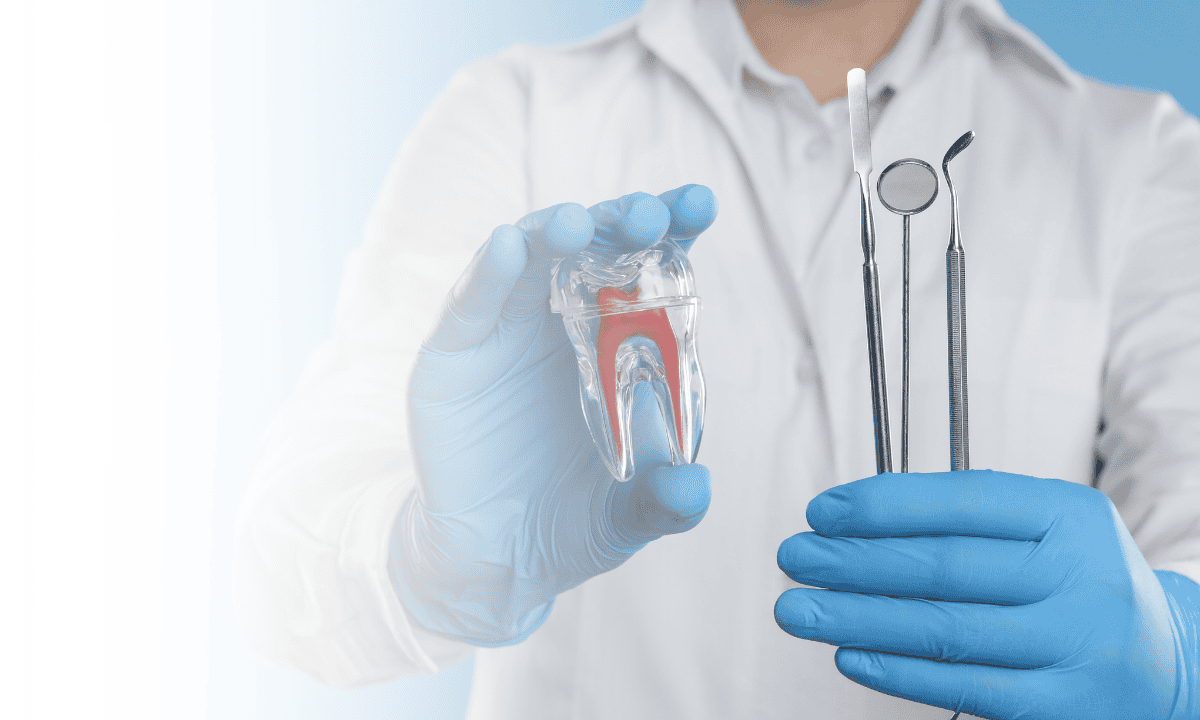
A severe toothache can quickly turn a normal day into a stressful one. A dentist discusses treatment, they focus on saving the tooth rather than offering removal as an equal option. Many assume that removing a tooth is the simplest solution. If the tooth is already damaged or infected, why not just take it out and move on?
But dentistry has changed a lot over the years. In many cases, saving the natural tooth can actually be the better long-term option for your oral health. Understanding the difference between Root Canal Treatment vs Extraction can help you make a more informed decision when facing serious tooth problems.
This article is for informational purposes only and does not replace professional dental advice. Treatment decisions should always be made after a clinical examination and diagnostic evaluation by a qualified dentist.
How Root Canal Treatment Works
Root canal treatment is designed to remove infection while preserving the natural tooth.
Cleaning the infected pulp
During Root Canal treatment, the dentist creates a small opening in the tooth and removes the infected pulp tissue. This eliminates the source of pain and infection.
Disinfecting the canals
The internal canals of the tooth are carefully cleaned and disinfected to remove bacteria.
Sealing the tooth
After cleaning, the canals are filled with a special material to prevent bacteria from returning.Its always recommended to have a crown after RCT.
Once healed, the tooth can continue functioning normally for many years.
What Happens During Tooth Extraction?
When a tooth is too damaged to save, Tooth extraction may be recommended. The procedure usually involves:
- Numbing the area: Local anesthesia is used to ensure comfort.
- Loosening the tooth: Special instruments gently loosen the tooth from its socket.
- Removing the tooth: The dentist carefully removes it from the jaw.
While the extraction itself may solve the infection, the missing tooth often requires further solutions such as implants, bridges, or dentures to restore normal function.
What Most People Get Wrong When Choosing
The biggest mistake people make when comparing Root Canal vs Extraction is focusing only on short-term relief. Saving the natural tooth often has several long-term advantages:
- Maintains natural chewing ability
- Prevents surrounding teeth from shifting
- Preserves jawbone structure
- Avoids additional replacement procedures
This can only be determined by a dentist through a proper oral examination and X-ray analysis. If you are unsure whether your tooth can be saved or needs removal, a proper clinical evaluation is essential. It is difficult to Choose the right dental clinic. Visit DentoCorrect for a detailed assessment and personalized treatment plan.
When Each Treatment Is Usually Recommended
Root Canal Treatment may be recommended if
- The tooth structure is mostly intact
- Infection is limited to the pulp
- The tooth can still be restored with a crown
- Preserving natural tooth is possible
Extraction May Be Recommended If
- The tooth is severely fractured
- There is extreme bone loss around the tooth
- The infection cannot be treated effectively
- The tooth cannot support a restoration
Dentists evaluate X-rays, infection levels, and structural damage before recommending the most suitable treatment.
Why Do Teeth Reach a Point Where Treatment Is Needed?
Teeth rarely require major treatment overnight. Usually, the problem develops slowly over time. Several issues can damage the inner structure of a tooth, including:
- Deep tooth decay: When cavities are left untreated, bacteria gradually move deeper into the tooth.
- Infection in the pulp: The pulp contains nerves and blood vessels. Once bacteria reach this area, pain and infection begin.
- Cracked or broken teeth: Trauma, grinding, or biting something hard can damage the inner tooth structure.
- Repeated dental procedures: Multiple fillings or treatments on the same tooth can weaken it over time.
When the inner pulp becomes infected or severely damaged, dentists typically prioritize saving the tooth with a root canal treatment. At DentoCorrect, treatment decisions are based on clinical protocols, digital diagnostics, and long-term oral health outcomes rather than short-term fixes.
Common Myths About Root Canal and Tooth Removal
There are many misconceptions surrounding root canal and tooth extraction. The most common myths about these two treatments are:
Myth 1: Root canal treatment is extremely painful
Modern RCT procedures are done with anesthesia and are usually no more uncomfortable than getting a filling. The pain most people associate with root canals actually comes from the infection before treatment.
Myth 2: Tooth extraction is always the easier option
While removing a tooth may sound simple, extraction of teeth often creates additional issues such as shifting teeth, bone loss, and the need for replacement treatments later.
Myth 3: Removing a tooth solves the problem permanently
The infection may be removed, but the missing tooth can create bite problems and affect chewing, speech, and jaw structure.
Practical Tips to Prevent Major Dental Treatments
While treatments like RCT and extraction are effective, preventing severe tooth damage is always better. Here are some habits that help protect your teeth:
- Regular dental checkups: Early cavities can be treated before they reach the pulp.
- Proper brushing and flossing: Removing plaque reduces the risk of deep decay.
- Limiting sugary foods: Sugar feeds bacteria that cause cavities.
- Addressing tooth pain early: Ignoring sensitivity or discomfort often allows the problem to worsen.
Quick Answers People Usually Ask
1. Is a root canal better than removing the tooth?
In many cases, saving the natural tooth with Root Canal treatment is preferred because it maintains normal chewing and jaw structure.
2. Is extraction faster than a root canal?
The procedure itself may be shorter, but missing teeth often require additional treatments later.
Can infection return after RCT?
It is uncommon, but if the tooth is not sealed properly or develops new decay, reinfection can occur.
Closing Thoughts
Choosing between Root Canal vs Extraction is not always straightforward. Each situation depends on the condition of the tooth, the level of infection, and the long-term impact on oral health.
When possible, preserving the natural tooth is usually beneficial. However, only a dentist can accurately determine whether the damage is too severe. In cases where the tooth cannot be saved, removing it may be the safest and most effective option.
If you are experiencing severe tooth pain or have been advised extraction, do not make a rushed decision. At DentoCorrect a dental clinic in Lahore, Islamabad, Rawalpindi and all over the Pakistan, our dental experts carefully evaluate whether your tooth can be preserved before recommending removal. Book your consultation today and get a clear, clinically guided solution.