
Brushing too hard
A hard brush and a scrubbing, side-to-side action slowly wear away enamel and push the gums back, especially on the teeth you reach most easily.

Teeth sensitivity is a short, sharp pain when something cold, hot, sweet or sour touches a tooth. It happens when the softer layer under the enamel is exposed, usually by worn enamel or receding gums. A toothpaste for sensitive teeth helps most people within two to four weeks; if one tooth hurts or the pain lingers, a dentist should check it.
Sensitivity is a short, sharp pain set off by something touching the tooth. These are the triggers most people notice:
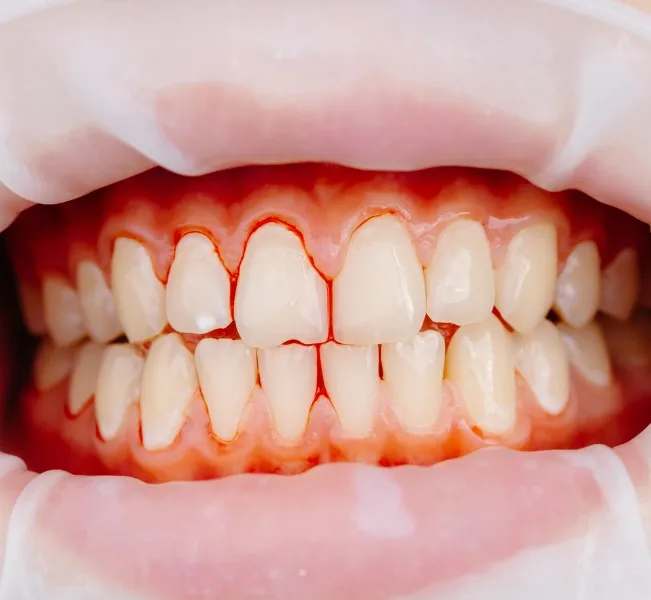
Ordinary sensitivity fades within seconds. Pain that throbs on its own or keeps you awake is a toothache and needs a dentist.
Book a Free ConsultationSensitivity starts when the layer under the enamel, called dentine, is exposed. Tiny channels in it carry cold and heat straight to the nerve. These are the usual reasons it gets exposed:
A hard brush and a scrubbing, side-to-side action slowly wear away enamel and push the gums back, especially on the teeth you reach most easily.
When gums pull back, the root surface is exposed. Roots have no enamel, only a thin covering, so they feel every change in temperature.
Lemon, fizzy drinks, pickles (achaar), sour sweets and fruit juices soften enamel. Sipping them through the day keeps teeth under constant attack.
Grinding your teeth at night, often without knowing it, flattens and chips the enamel. Waking up with a sore jaw is a clue.
Decay, a cracked tooth or a filling that has worn at the edges opens a path to the inside of the tooth, usually in just one spot.
Plaque and tartar along the gum line inflame the gums and, over time, destroy the support around the root, so the root becomes exposed.
Some sensitivity after dental work is expected and short-lived. This is what is normal after each one:
Removing tartar uncovers root surfaces that were hidden under it. The twinge is normal and fades within one to two weeks as the gums tighten.
Scaling and polishingWhitening gel passes through the enamel for a short time, so teeth can feel tender for a day or two. Avoid very cold and hot food for 48 hours.
Teeth whiteningA tooth can react to cold for a few days to a couple of weeks after a filling. If it gets worse, or hurts when you bite, the filling may need adjusting.
Composite fillingsFor mild sensitivity across several teeth, these steps are usually enough:
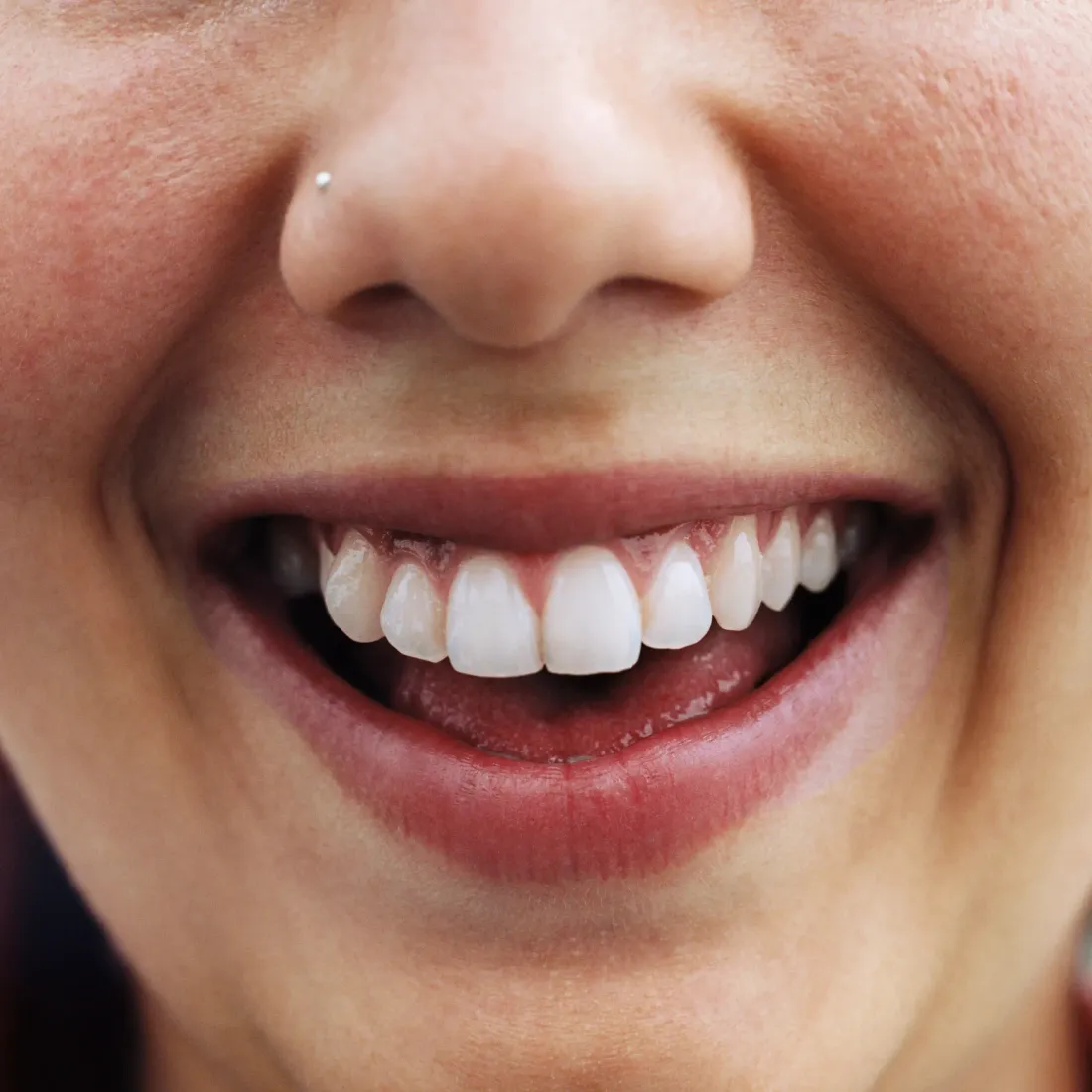
A sensitive toothpaste numbs the symptom; it doesn't fix a cavity or a crack. If there is no change after four weeks, have it checked.
Often, yes, especially when it follows dental work. But sensitivity that stays can be a sign of something that needs treating:
A quick check-up tells you whether it is ordinary sensitivity or a cavity, crack or gum problem. Book a check-up.
The right treatment depends on what is exposing the tooth. These are the treatments we use for sensitive teeth at DentoCorrect:
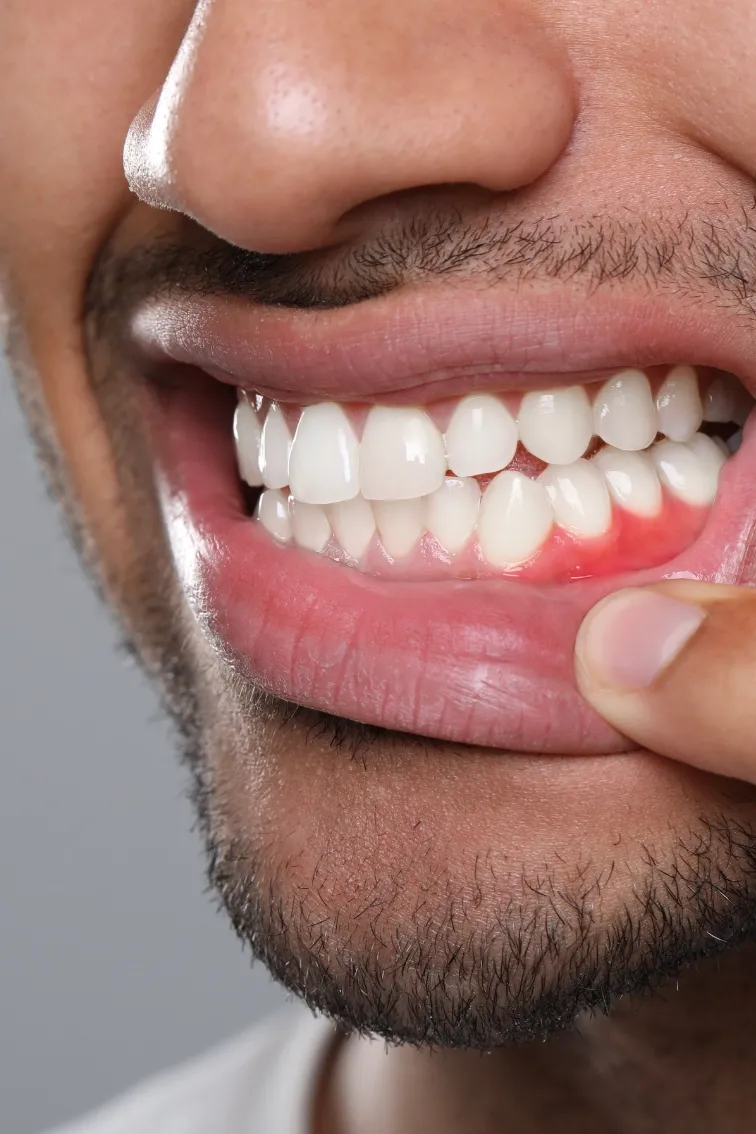

A varnish or desensitising agent painted onto the exposed areas seals them and strengthens the enamel, often easing sensitivity the same day.

Tooth-coloured resin covers exposed roots, worn edges and small cavities, so cold and sweet no longer reach the inside of the tooth.

Clearing plaque and tartar from the gum line treats gum disease, stops further recession and lets inflamed gums heal.

For a tooth that stays severely sensitive after everything else, treating the nerve removes the pain for good while keeping the tooth.
DentoCorrect is Pakistan's ISO-certified, multi-city dental clinic network with qualified dentists at every location. Here is what sets us apart:
Experienced dentists at every DentoCorrect clinic
Not just a toothpaste and goodbye: we work out why your teeth are sensitive
Strict safety and sterilisation protocols at every clinic
We start with the simplest fix and protect as much tooth as possible

You'll know what's needed and what it costs before we begin

Lahore (Johar Town, Gulberg & DHA), Islamabad, Rawalpindi, Karachi, Faisalabad, Peshawar, and Multan
Sometimes. Sensitivity after scaling, whitening or a new filling usually settles within one to two weeks. Sensitivity from worn enamel or receding gums rarely goes away by itself, but a toothpaste for sensitive teeth controls it for most people within two to four weeks.
At home, rub a small amount of toothpaste for sensitive teeth directly onto the sore area with a clean finger before bed and don't rinse it off. At the clinic, a dentist can paint on a fluoride varnish or desensitising agent, which often gives relief the same day.
Look for a toothpaste made for sensitive teeth that contains potassium nitrate, stannous fluoride or arginine. Several are sold at pharmacies and stores across Pakistan. Use it twice a day, every day: it takes two to four weeks to work and the effect wears off if you stop.
Scaling removes tartar that was covering the roots near the gum line, so those surfaces feel cold for the first time in a while. It is normal and usually fades within a week or two as the gums settle. A toothpaste for sensitive teeth speeds this up.
Yes. Whitening gel passes through the enamel for a short time and can make teeth feel sensitive for a day or two. It goes away on its own. Avoid very cold and very hot food and drinks for 48 hours and tell your dentist if it lasts longer.
Sensitivity in a single tooth points to a problem with that tooth, such as a cavity, a crack, a worn or leaking filling, or a patch of gum that has pulled back. It should be checked, because these get worse without treatment.
It can be. A cavity exposes the inner layer of the tooth and makes it react to cold and sweet things. Sensitivity across many teeth is more often worn enamel or receding gums, but only a dental check can tell the difference.
Ordinary sensitivity is a short twinge that stays in the tooth. Pain that spreads to your ear, jaw or head, or that lasts after the cold drink is gone, is more likely a deeper problem with the nerve of a tooth and should be seen by a dentist.
Often, yes. Hormone changes make gums swell and bleed more easily, and stomach acid from morning sickness softens enamel. After vomiting, rinse with water and wait about an hour before brushing. Dental check-ups and treatment for sensitivity are safe in pregnancy.
In Urdu it is usually described as daanton mein thanda garam lagna (دانتوں میں ٹھنڈا گرم لگنا), meaning teeth react to cold and hot. Dentists call it dentine hypersensitivity.