
Bacteria on your tongue
The commonest cause. The rough back of the tongue traps bacteria and food that give off sulphur gases, which is what bad breath smells of.

Bad breath, or halitosis, usually starts in the mouth: bacteria on the back of the tongue, between the teeth and under the gums give off smelly sulphur gases. Brushing twice a day, cleaning your tongue and flossing fix most cases. Bad breath that stays despite good cleaning often means gum disease, a hidden cavity or a dry mouth, which a dentist can treat.
Most people can't smell their own breath, because the nose gets used to it. These are the signs to look for instead:

Not sure? Ask someone you trust, or ask your dentist at your next check-up. They won't be embarrassed, and it is a very common question.
Book a Free ConsultationMost bad breath comes from the mouth itself. These are the six usual causes:
The commonest cause. The rough back of the tongue traps bacteria and food that give off sulphur gases, which is what bad breath smells of.
Food left between the teeth and along the gum line starts to rot within hours if it isn’t brushed and flossed away.
Tartar under the gums creates deep pockets where bacteria thrive, causing a strong, lasting smell and gums that bleed when you brush.
Onion, garlic and strong spices carry on scenting your breath for hours, and an empty stomach or a long fast makes breath worse.
Tobacco and areca nut leave their own smell, dry the mouth and stain the teeth, and they also raise the risk of gum disease.
Saliva washes bacteria away. Medicines, mouth breathing, too little water and sleep all lower it, which is why morning breath happens.
Brushing cleans the surfaces you can see. If the smell is back within a few hours, the source is usually somewhere a toothbrush can't reach:
Hardened plaque under the gum line can’t be brushed off. Bacteria living there keep producing a smell however often you brush.
Scaling and polishingFood packing into a cavity, or pus from an infected tooth, gives a foul smell and taste that comes back within hours.
Tooth infection guideWithout enough saliva, bacteria regrow quickly after brushing. Fixing the dryness often fixes the breath.
Dry mouth guideSometimes, but far less often than people think: around eight or nine cases in ten start in the mouth. This is how to tell:
A dental check-up rules out the mouth first, which is where the answer usually is. Book a check-up.
These daily habits clear most bad breath within a week or two:
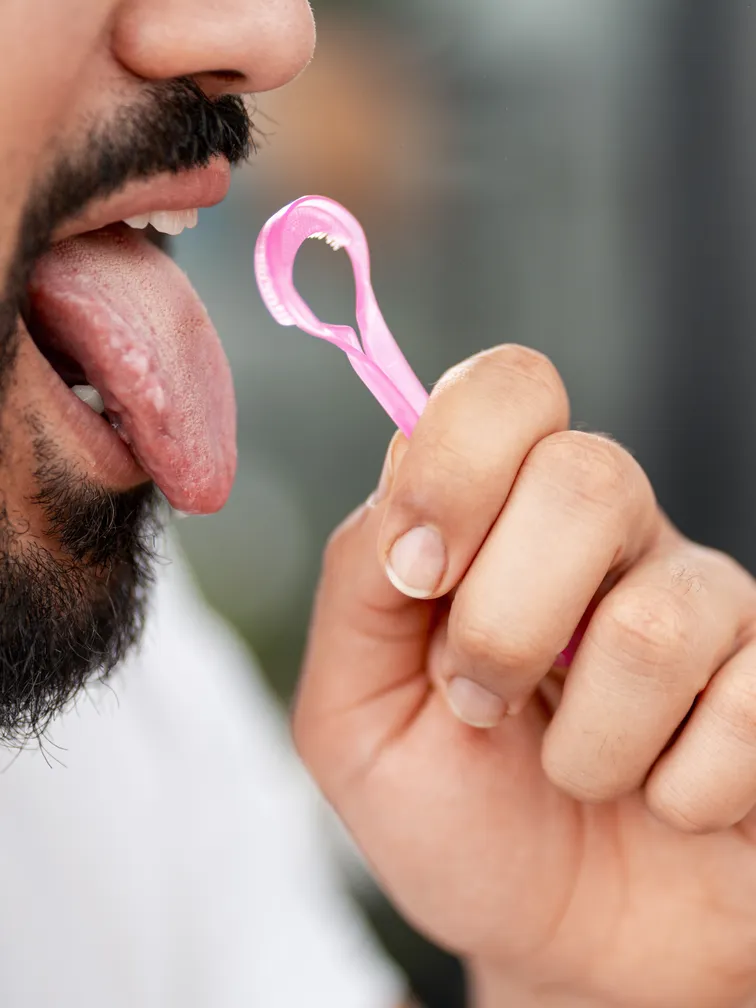
Mints and mouthwash only cover the smell for an hour or so. If your breath is still bad after two weeks of good cleaning, see a dentist.
The dentist checks your gums, teeth, tongue and saliva to find the source, then treats it. These are the treatments we use at DentoCorrect:
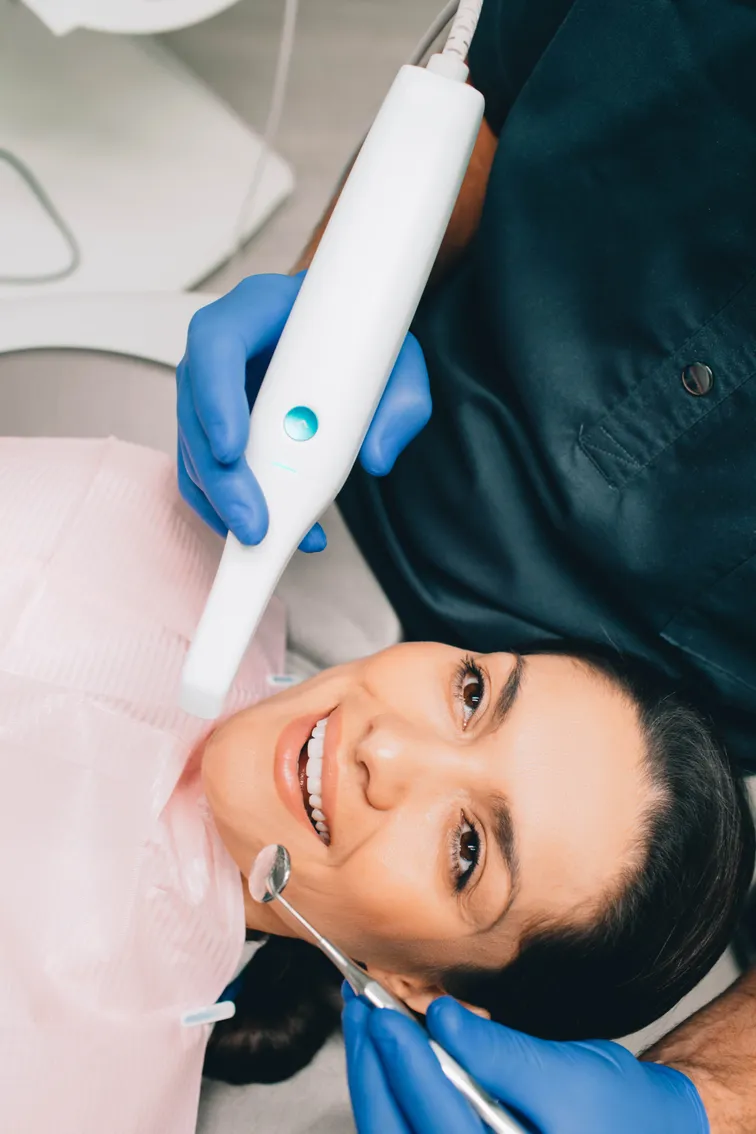

Removes the tartar and plaque above and below the gum line where odour-causing bacteria live. The most common fix for bad breath.

Cavities that trap food are cleaned out and sealed with a tooth-coloured filling, so nothing can collect there again.

An infected tooth that is causing a foul taste is cleaned and sealed from the inside, removing the source of the smell.

When a dry mouth is behind it, we find the cause and suggest saliva substitutes, fluoride and habits that keep the mouth moist.
DentoCorrect is Pakistan's ISO-certified, multi-city dental clinic network with qualified dentists at every location. Here is what sets us apart:
Experienced dentists at every DentoCorrect clinic
Gums, teeth, tongue and saliva checked, not just a mouthwash recommendation
Strict safety and sterilisation protocols at every clinic
A common problem, handled privately and respectfully

You'll know what's needed and what it costs before we begin

Lahore (Johar Town, Gulberg & DHA), Islamabad, Rawalpindi, Karachi, Faisalabad, Peshawar, and Multan
In most cases, yes. Once the cause is dealt with, whether that is tartar under the gums, a coated tongue, a cavity or dry mouth, the smell goes and stays gone as long as you keep up daily brushing, flossing and tongue cleaning.
Saliva almost stops while you sleep, so bacteria on the tongue and between the teeth multiply overnight. Morning breath is normal and should go once you brush your teeth and tongue. If it lasts through the day, there is another cause.
Occasionally. Acid reflux can bring a sour smell up into the mouth, and an empty stomach makes breath worse. But most bad breath, around eight or nine cases in ten, starts in the mouth, so it is worth ruling out dental causes first.
Not always, but it is one of the commonest causes. If your gums bleed when you brush, look red or swollen, or the smell returns soon after brushing, have your gums checked. A scale and polish usually makes a big difference.
With no food or drink, saliva slows down and the body starts using fat for energy, which both affect breath. Brush your teeth and tongue at sehri, drink water steadily between iftar and sehri, and use a miswak during the day.
Yes. Used properly, a miswak cleans the teeth and freshens the mouth. It doesn't clean the tongue or between the teeth well, so pair it with a tongue scraper and floss for the best result.
Choose an alcohol-free mouthwash, as alcohol dries the mouth and can make breath worse. Ones containing zinc or cetylpyridinium chloride help neutralise odour. A dentist may suggest a stronger chlorhexidine rinse for a short time. Mouthwash supports cleaning; it doesn't replace it.
Yes. Small white or yellow stones that collect in the tonsils smell strongly. If your teeth and gums are healthy but the smell persists, and you sometimes cough up these stones, see an ear, nose and throat doctor.
In children it is usually food left on the teeth or tongue, mouth breathing through a blocked nose, or something stuck in a nostril. Help them brush twice a day, including the tongue, and see a dentist or doctor if it doesn't improve.
In Urdu it is called muh se badbu aana (منہ سے بدبو آنا). The medical name is halitosis.