Clear Aligners in Rawalpindi: Fix Crooked Front Teeth at Any Age
Most people who finally ask about straightening their teeth have been thinking about it for years, and the thing that stopped them was rarely the teeth themselves. It was the idea of wearing metal brackets to work at thirty-five, or the assumption that the chance had passed at fifty. Clear aligners in Rawalpindi make the treatment discreet enough that most colleagues will not notice, and age itself is not a barrier. What does matter is the health of your gums and the bone underneath, which is why the assessment comes before the plan.
What clear aligners are
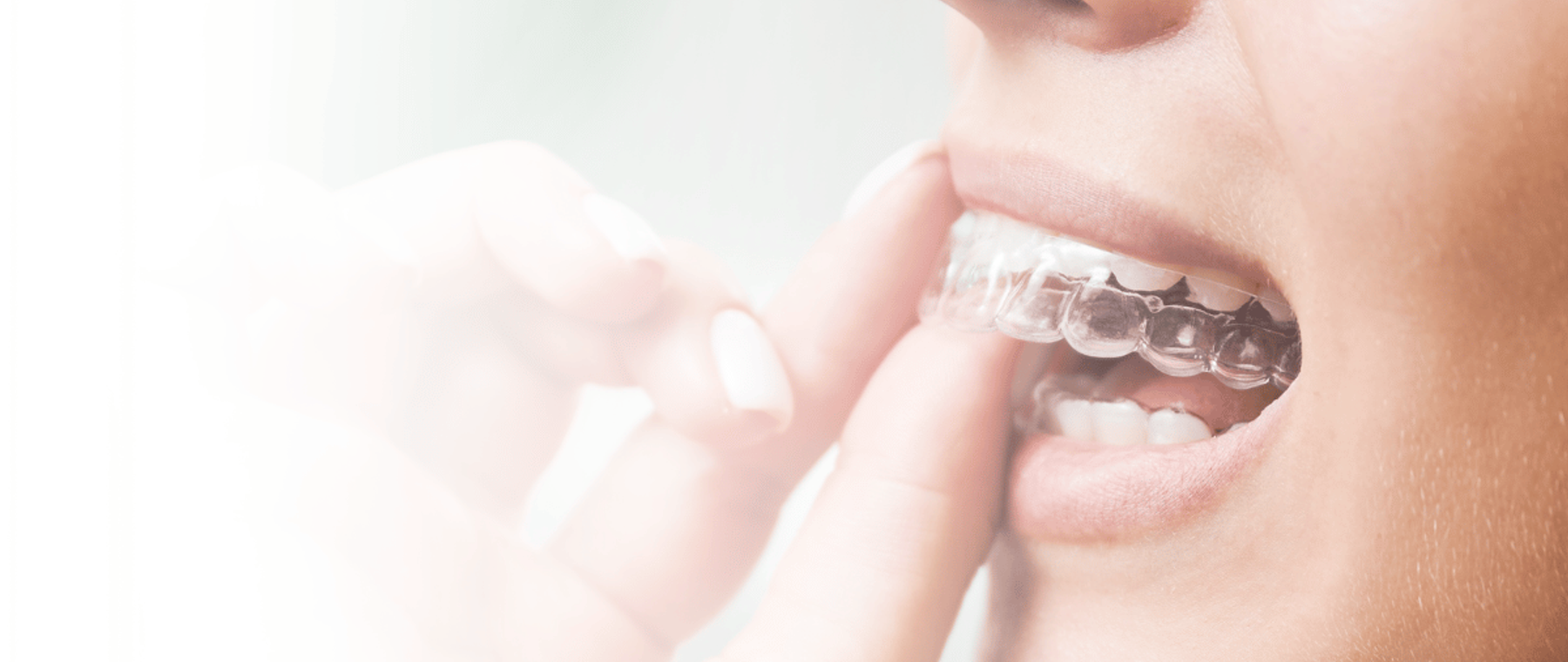
Clear aligners are a series of thin, close-fitting plastic trays, custom-made from a scan of your teeth. Each tray moves the teeth a fraction of a millimetre, and you change to the next in the series every one to two weeks. They are removed for eating and cleaning, which is the practical difference from fixed braces.
You can read more on our clear aligners page, and our guide to how clear aligners move teeth explains the mechanics.
Are you too old for this?
No, and the biology is straightforward: teeth move through bone at any age because bone remodels throughout life. What changes with age is not whether teeth move but the context around them.
- Bone remodels more slowly in adults, so treatment often takes somewhat longer than it would in a teenager
- Gum disease is more common, and it must be treated and stable before any tooth is moved
- Old fillings, crowns, and bridges affect how attachments bond and how the plan is designed
- Missing back teeth change the bite and sometimes need addressing first
- Growth cannot be used, so a jaw-size discrepancy that would be guided in a child has to be worked around or treated surgically
None of these rule adults out. They simply mean the examination matters more than it does at fourteen.
The gum health point, told straight
Aligners are often sold to adults on the promise that they are kinder to your gums than braces. The evidence is more measured than the marketing.
A review pooling multiple systematic reviews concluded that the effect of clear aligners and fixed appliances on periodontal health should be considered comparable. Differences in gum pocket depth measured under 1 mm, small enough that the authors described them as hardly measurable, and they stated plainly that there is no evidence to support choosing aligners as the first option purely because someone is at risk of gum disease (systematic review of systematic reviews, PMC).
What the same authors emphasize is that a proper hygiene and monitoring programme during treatment matters more than which appliance you wear.
So the honest position: aligners are easier to clean around, which helps in practice, but they are not a substitute for treating gum disease first and keeping up with hygiene visits throughout.
Who clear aligners suit
Aligners tend to work well when:
- Crowding or spacing is mild to moderate
- Your gums are healthy, or gum disease has been treated and is stable
- Any decay has been dealt with before treatment starts
- The correction is mainly about the position of the crowns rather than large root movements
- You will genuinely wear them 20 to 22 hours a day
They are the wrong choice when:
- Crowding is severe and teeth need substantial rotation or bodily movement
- The jaws themselves are significantly out of proportion, which can need surgical planning
- Several back teeth are missing, leaving too little to anchor against
- Gum disease is active and untreated, where moving teeth accelerates bone loss
- You know you will not keep them in, since a tray in its case moves nothing
That last point is the one most likely to decide your result. Our comparison of clear aligners and braces sets out where fixed appliances remain the better tool, and our post on teeth crowding explains why crowding happens in the first place.
What to expect at DentoCorrect
- Assessment. Examination of the teeth, gums, and bite, with X-rays to check the bone and roots.
- Gum treatment first, where needed, including scaling and a review before anything moves.
- Digital scan and plan. A scan replaces impressions, and you are shown a simulation of the expected movement before committing.
- Attachments. Small tooth-coloured bumps are bonded to some teeth so the trays can grip and push accurately.
- Wearing the series. A new tray every one to two weeks, worn 20 to 22 hours daily, removed only to eat and clean.
- Review visits every six to eight weeks to check the teeth are tracking to plan.
- Refinement, where a few extra trays fine-tune the result, which is common rather than a sign of failure.
- Retainers, fitted as soon as treatment finishes.
Living with aligners
- Wear them 20 to 22 hours a day; the schedule is the treatment
- Remove them for anything other than plain water
- Brush before putting them back in, or you seal sugar against the enamel
- Expect pressure and mild soreness for a day or two after each new tray
- Speech feels odd for the first few days and then settles
- Rinse the trays and clean them with a soft brush and cool water, never hot
- Keep them in their case; the commonest loss is a tray wrapped in a napkin
Retention: the part that decides whether it lasts
Teeth drift back. This is not a failure of treatment; it is the natural tendency of teeth that have been moved, and it is strongest in the first year.
Reviews of aligner outcomes stress that lasting stability depends on careful case selection, planning, monitoring, and effective retention protocols rather than the appliance alone. In practice that means:
- A bonded wire behind the front teeth, a removable retainer at night, or both
- Wearing the retainer indefinitely, not for a few months
- Replacing a retainer promptly when it wears out or is lost
- Budgeting for retainers at the start; they are part of the treatment, not an add-on
Ask what the retention plan is at the consultation, before you agree to anything.
Clear aligners in Rawalpindi at our Bahria Town clinic
Our Rawalpindi branch is at Plaza 89, Wallayat Complex, Bahria Town Phase 7, convenient for patients from Bahria Town Phases 1 to 7, Chaklala, Westminster Road, Rawat, Chakri Road, and the nearby Islamabad sectors.
Patients in Rawalpindi often choose DentoCorrect because:
- Treatment is carried out by PMDC-registered dentists
- We follow ISO-certified clinical protocols for hygiene and sterilization
- Gum health is assessed and treated before teeth are moved
- You see a simulation of the planned movement before committing
- Retention is discussed and priced at the start, not raised at the end
- We say plainly when fixed braces would give you a better result
For directions and contact details, visit our Rawalpindi clinic page. Our post on clear aligners in Multan covers spacing rather than crowding, and dental veneers in Rawalpindi covers the cosmetic route when the position of the teeth is not the issue.
Clear aligner cost in Rawalpindi
The cost depends on:
- How much movement is needed, and how many trays the plan requires
- Whether one arch or both are being treated
- The aligner system used
- Scans, X-rays, and any gum treatment or extractions needed first
- Retainers, and whether refinement trays are included
For context, published prices across Pakistan in 2026 commonly run from around PKR 150,000 to PKR 350,000 for a full course, with short cases correcting only mild front-tooth crowding costing considerably less. Rawalpindi rates generally sit close to those in Islamabad.
Ask for a written quotation stating the number of trays, whether refinements and retainers are included, and what happens if a tray is lost. That is where quotes differ most.
Frequently Asked Questions
Am I too old for clear aligners?
No. Teeth move at any age because bone remodels throughout life. Adult treatment can take a little longer than in teenagers, and existing gum disease must be treated first, but age alone is not a reason to rule it out. Your dentist will assess the gums and bone.
Will people notice I am wearing them?
They are far more discreet than metal brackets, and most people will not notice in ordinary conversation. Small tooth-coloured attachments bonded to some teeth are visible close up. Expect discretion rather than concealment, and a slight lisp for the first few days.
How long does treatment take?
Mild front-tooth crowding often corrects within around six months. A fuller correction involving the bite commonly runs twelve to eighteen months, sometimes longer in adults. Wearing the trays fewer hours than advised extends treatment, often considerably. Your dentist estimates after the scan.
Are aligners better for my gums than braces?
Easier to clean around, yes. Better for gum health, not measurably: pooled evidence rates the two appliances comparable, with differences under 1 mm of pocket depth. What protects your gums is treating existing disease first and keeping up hygiene visits during treatment, whichever appliance you wear.
Do I have to wear a retainer afterwards?
Yes, and long term. Teeth drift back, most strongly in the first year. A bonded wire behind the front teeth, a night-time retainer, or both will be fitted when treatment finishes. Stopping retainer wear is the usual reason a good result gradually undoes itself.
What happens if my teeth do not move as planned?
It is common enough to have a name: refinement. A fresh scan is taken and a short additional series of trays finishes the job, usually at no extra charge if agreed in advance. Ask whether refinements are included before you start.
Book an aligner consultation in Rawalpindi
If your front teeth have been crooked for years and you have assumed it is too late, an examination and scan will show whether aligners suit your case and what the result would realistically look like. Call [+92 347 8089764](tel:+923478089764) or book online at our book appointment page to visit our Bahria Town clinic.