
Stress and anxiety
The most common trigger. Worry about work, exams or family keeps the jaw muscles tense, and many people clench during the day and grind at night without noticing.
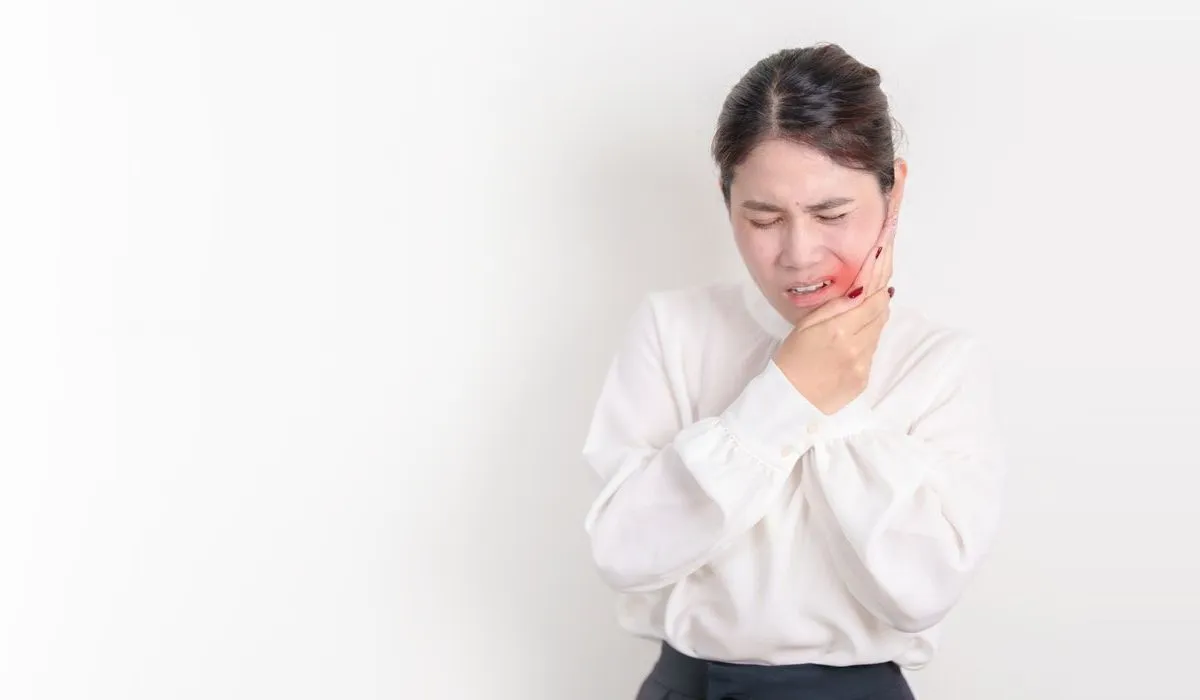
Teeth grinding, or bruxism, is clenching or grinding the teeth, usually during sleep and without knowing it. It is most often linked to stress, poor sleep and caffeine, and shows up as a sore jaw, morning headaches and worn or chipped teeth. A custom night guard protects the teeth while the cause is dealt with.
Most people grind in their sleep and never hear it. These are the signs that give it away:
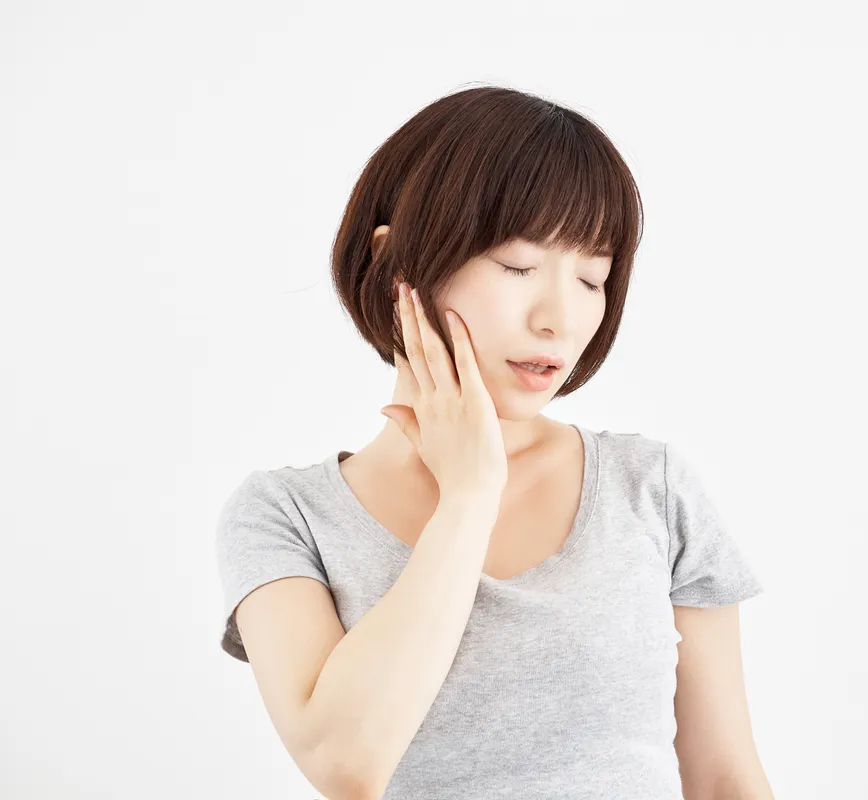
Worn teeth do not grow back. If two or more of these signs sound familiar, have your teeth checked before the wear reaches the inner layers of the tooth.
Book a Free ConsultationThere is rarely a single cause. These are the six that dentists see most often, and many people have more than one:
The most common trigger. Worry about work, exams or family keeps the jaw muscles tense, and many people clench during the day and grind at night without noticing.
Grinding happens in the lighter stages of sleep. Broken sleep, loud snoring and sleep apnoea, where breathing stops for a moment, all make it more frequent.
Caffeine and nicotine are stimulants that keep the muscles active. Several cups of tea in the evening, smoking or naswar before bed can all set off grinding.
Crooked or missing teeth, or a bite where the top and bottom teeth do not fit together well, can make the jaw keep searching for a comfortable position.
Dental bracesA new filling or crown that sits even slightly too high takes the full force of every bite, and the jaw grinds against it. A quick adjustment fixes it.
Tooth-coloured fillingsCertain antidepressants and other medicines that act on the nervous system can cause grinding as a side effect. Never stop a medicine yourself; ask the doctor who prescribed it.
Grinding rarely hurts at first, so it is easy to ignore. Left alone for years, it does this to your teeth and jaw:
Grinding files the enamel down layer by layer. The teeth get shorter and flatter, and once the softer layer underneath shows, cold and sweet things start to hurt.
Teeth sensitivity guideThe force of night grinding is many times that of normal chewing. Edges chip, fillings break and back teeth can crack, sometimes right down to the nerve.
Broken tooth guideOverloaded teeth ache, the jaw joint becomes sore and may click, and the chewing muscles cause morning headaches and pain in front of the ear.
Toothache guideMany children grind their teeth in their sleep, and most grow out of it. This is how to tell whether your child needs a dentist:
Is it worms? Grinding in children is often blamed on stomach worms (pet ke keede), but the evidence for a link is weak and deworming alone rarely stops it. If the teeth look worn, book a check-up and the dentist will look for the real cause.
Grinding cannot be switched off overnight, but these habits make it less frequent and less forceful:

Ready-made sports guards from a pharmacy or online shop are bulky and loose, and can shift your bite if worn every night. For regular use, ask a dentist for a custom guard.
The dentist checks how much wear there is, looks at your bite and asks about sleep and stress. Treatment protects the teeth and repairs any damage:
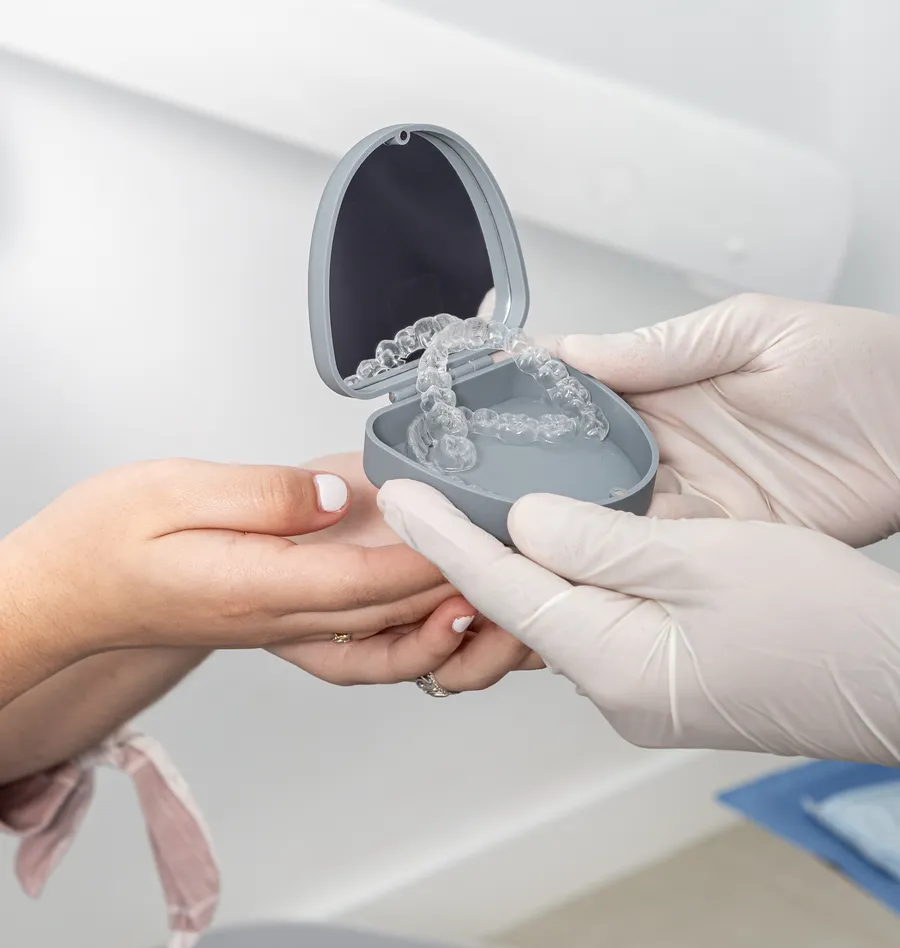

A thin, clear guard made from impressions of your teeth and worn while you sleep. It takes the force of grinding so your teeth do not.

Tooth-coloured bonding rebuilds chipped edges and covers worn, sensitive areas, so the teeth look and feel normal again.

When grinding has worn or cracked a tooth too far for a filling, a crown covers and strengthens the whole tooth.

A high filling is adjusted in minutes. Crooked teeth that make the bite uneven can be straightened with braces or clear aligners.
DentoCorrect is Pakistan's ISO-certified, multi-city dental clinic network with qualified dentists at every location. Here is what sets us apart:
Experienced dentists at every DentoCorrect clinic
Every night guard is made from impressions of your own bite
Strict safety and sterilisation protocols at every clinic
Chipped edges and sensitive spots fixed in the same plan

You'll know what's needed and what it costs before we begin

Lahore (Johar Town, Gulberg & DHA), Islamabad, Rawalpindi, Karachi, Faisalabad, Peshawar, and Multan
Sleep grinding is most often linked to stress and anxiety, disturbed sleep, snoring or sleep apnoea, and too much tea, coffee or smoking in the evening. Some medicines, especially certain antidepressants, can trigger it, and a high filling or a bite that does not meet evenly can make it worse. Most people have no idea they do it until a family member hears it or a dentist notices worn teeth.
Grinding in children is often blamed on stomach worms (pet ke keede), but the evidence for a link is weak and deworming alone rarely stops it. In children it is usually part of normal development while baby teeth come and go, and most grow out of it by around 10 to 12 years of age. If your child also has itching at night, tummy pain or weight loss, see your doctor about worms; if the teeth look worn or your child complains of jaw pain or headaches, see a dentist.
Cut down on tea, coffee and smoking in the evening, wind down for half an hour before bed and keep a regular sleep time. During the day, train yourself to keep your lips together and your teeth apart, and relax your jaw whenever you notice clenching. A warm compress and gentle massage of the jaw muscles before bed also help. These steps reduce grinding, but if your teeth are already wearing down, a night guard is the only reliable way to protect them.
The price depends on the type. A soft guard costs less, while a hard acrylic guard costs more but lasts longer and suits people who grind heavily. Because a night guard is made from impressions of your own teeth, the dentist first checks which type you need. At DentoCorrect the consultation is free and you are told the exact cost before anything is made.
A ready-made or boil-and-bite sports guard is fine for a night or two, but it is bulky, fits loosely and can shift your bite if worn every night. Some people even chew on it and grind harder. A custom night guard is thin, fits your teeth exactly and spreads the force evenly, which is why dentists recommend it for long-term use.
Yes. Grinding works the jaw muscles all night, so many people wake up with a dull headache at the temples, a stiff or aching jaw, or pain in front of the ear. Over time it can strain the jaw joint, causing clicking and difficulty opening wide. A night guard usually eases morning headaches and jaw pain within a few weeks.
Heavy grinding overloads the teeth and the bone around them. It can wear notches at the gum line, make gums recede on the teeth taking the most force, and in someone who already has gum disease, make teeth loosen faster. Treating the grinding and the gums together protects both.
It can be. Grinding is common in people under stress or with anxiety, and night-time grinding is also linked to sleep apnoea, where breathing stops briefly during sleep. If you snore loudly, wake up gasping or feel tired after a full night's sleep, mention it to your doctor as well as your dentist.
Injections into the jaw muscles can weaken them enough to reduce the force of grinding in severe cases, but the effect wears off after a few months and the injections must be repeated. They are not a first treatment. A night guard is still needed to protect the teeth, and most people do well with a guard and the habit changes alone.
In Urdu, teeth grinding is called daant peesna (دانت پیسنا), and grinding in sleep is often described as neend mein daant peesna or daant kitkitana. The medical name is bruxism. Whatever you call it, the treatment is the same: find the cause and protect the teeth with a night guard.