
DentoCorrect Teeth Whitening
Treatment
Professional teeth whitening enhances smile brightness through clinically supervised cosmetic dental care.
DentoCorrect Teeth Whitening
Treatment
Professional teeth whitening enhances smile brightness through clinically supervised cosmetic dental care.
Causes of Tooth Discoloration
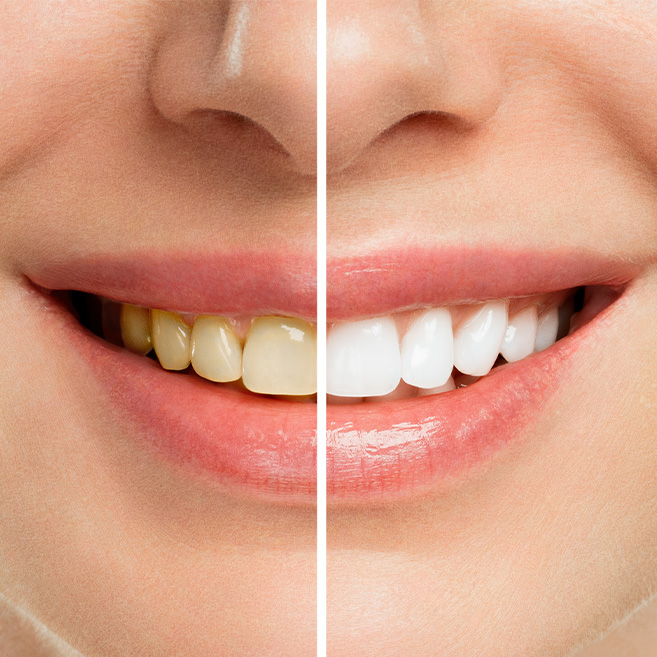
Understanding the underlying cause of tooth discoloration is essential before recommending any whitening procedure. Staining may be extrinsic, caused by external factors such as tea, coffee, smoking, and inadequate oral hygiene, where pigments accumulate on the enamel surface. It can also be intrinsic, resulting from aging related enamel thinning, certain medications, dental trauma, or genetic variations in enamel structure. Each type of discoloration responds differently to treatment, which is why a professional dental evaluation is necessary to determine the safest and most effective whitening approach.
Why Choose Us for Teeth Whitening
Teeth whitening is a controlled clinical procedure not a cosmetic shortcut. Our approach prioritizes enamel preservation, gum safety, shade precision, and patient comfort. Every teeth bleaching case begins with a dental assessment to ensure suitability and minimize risks. We focus on predictable, biologically safe results rather than aggressive bleaching that compromises tooth health.
No Post-Op Sensitivity Issues
Our whitening protocol uses controlled peroxide concentrations, precise timing, and proper isolation to protect enamel and gums.
Natural Shade Matching
We perform detailed shade analysis to ensure results look brighter yet naturally harmonious with your facial features. Our approach enhances translucency and realism never an artificial, over-bleached appearance.
Painless Treatment
With careful soft-tissue protection and monitored gel application, the procedure remains comfortable and controlled. Most patients experience only mild, temporary warmth with no significant discomfort.
DentoCorrect Teeth Whitening Process
Teeth whitening at DentoCorrect is performed under strict clinical protocols to ensure safety, enamel preservation, and predictable aesthetic results. Every step of the procedure is carefully planned from diagnosis to shade evaluation and controlled application to deliver effective whitening without compromising oral health.
Initial Dental Assessment
A comprehensive oral examination is performed to rule out cavities, gum inflammation, enamel defects, or exposed dentin before whitening. This evaluation ensures the procedure is safe, appropriate, and tailored to your specific dental condition.
Shade Selection
We document your existing tooth shade using professional shade guides before beginning treatment. This allows us to plan realistic, natural-looking results and measure improvement accurately.
Controlled Whitening Application
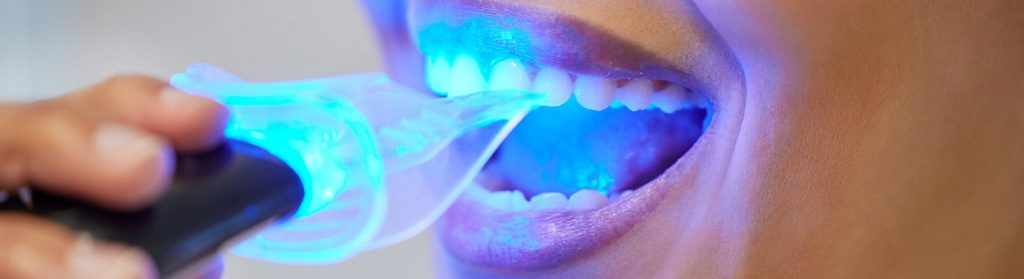
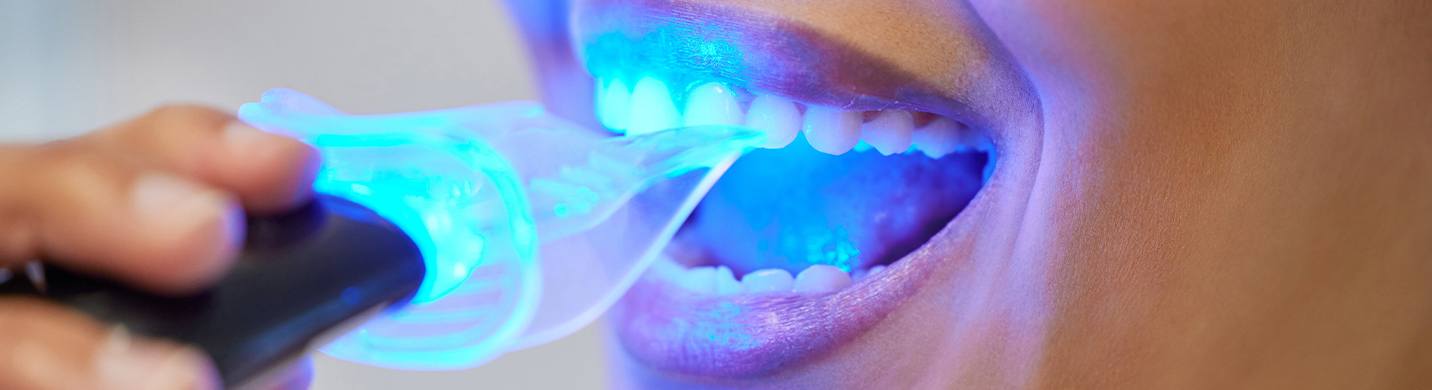
Clinically approved whitening gel is applied under proper gum isolation and monitored exposure timing. This controlled approach maximizes stain removal while minimizing sensitivity and tissue irritation.
Monitoring & Management
Throughout the procedure, dentists monitor progress and manage any sensitivity to maintain a comfortable experience.
Post-Treatment Care Guidance
Patients receive personalized advice on maintaining whitening results through oral hygiene practices and lifestyle adjustments.
Ready to get your perfect smile?
Initial Dental Assessment
A comprehensive oral examination is performed to rule out cavities, gum inflammation, enamel defects, or exposed dentin before whitening. This evaluation ensures the procedure is safe, appropriate, and tailored to your specific dental condition.
Shade Selection
We document your existing tooth shade using professional shade guides before beginning treatment. This allows us to plan realistic, natural-looking results and measure improvement accurately.
Controlled Whitening Application
Clinically approved whitening gel is applied under proper gum isolation and monitored exposure timing. This controlled approach maximizes stain removal while minimizing sensitivity and tissue irritation.
Monitoring & Management
Throughout the procedure, dentists monitor progress and manage any sensitivity to maintain a comfortable experience.
Post-Treatment Care Guidance
Patients receive personalized advice on maintaining whitening results through oral hygiene practices and lifestyle adjustments.
Lifestyle Benefits of Teeth Bleaching
Professional teeth bleaching is not only about improving tooth shade it can positively influence how you present yourself in social, personal, and professional settings. When performed safely and appropriately, teeth whitening enhances overall smile aesthetics, which may contribute to improved self perception and day-to-day confidence.
Aesthetic Smile
Whitening reduces visible stains and restores a brighter, cleaner tooth appearance. This enhancement improves smile symmetry and overall facial aesthetics.
Natural Confidence
A brighter smile often makes individuals feel more comfortable in conversations and photographs. Improved smile appearance can positively influence personal and professional interactions.
Professional First Impressions
A brighter smile can enhance how others perceive your hygiene and self-care. This subtle improvement may positively influence interviews, meetings, and social engagements.
Get Teeth Whitening Treatment
from DentoCorrect
Our modern techniques, latest digital technologies and expert dentists guarantee remarkable results!
- ISO-Certified Safety Standards
- Accurate Diagnosis
- Transparent Treatment Plans
- Safe and Pain-Free Dentistry
Years of experience
Happy Patients
Frequently Asked Questions
Yes, teeth whitening is generally safe when performed by a qualified dentist. Temporary sensitivity or mild gum irritation may occur but usually resolves shortly after treatment.
Professional whitening effects typically last from 6 months up to 2 years depending on diet, smoking habits, and oral hygiene practices.
Professional whitening is most effective on stains caused by coffee, tea, tobacco, and poor oral hygiene. Some intrinsic stains, such as those from medications, may improve less dramatically.
Some people may experience mild, temporary sensitivity after whitening. This usually fades within a day or two and can be managed with desensitizing care.
When performed correctly by a dentist, professional whitening does not damage enamel it safely lightens tooth shade without harming overall tooth structure.
In-office whitening can deliver noticeable results in one session, while at-home supervised whitening may show gradual improvement over days to weeks.


