
DentoCorrect Dental Braces
Treatment
Crooked teeth, crowding, gaps, or bite problems don’t just affect your smile they can impact chewing, speech, oral hygiene, and long term dental health. Dental braces remain one of the most reliable and time tested orthodontic solutions for correcting mild to complex alignment issues. At DentoCorrect, braces treatment is carefully planned using clinical assessment, digital imaging, and structured monitoring to ensure safe, predictable tooth movement.
DentoCorrect Dental Braces
Treatment
Crooked teeth, crowding, gaps, or bite problems don’t just affect your smile they can impact chewing, speech, oral hygiene, and long term dental health. Dental braces remain one of the most reliable and time tested orthodontic solutions for correcting mild to complex alignment issues. At DentoCorrect, braces treatment is carefully planned using clinical assessment, digital imaging, and structured monitoring to ensure safe, predictable tooth movement.
How to Know If You Need Braces
You may benefit from teeth braces if you notice crowded or overlapping teeth, visible gaps between teeth, protruding front teeth, or bite problems such as overbite, underbite, or crossbite. Some patients also experience difficulty chewing properly or feel jaw strain due to uneven bite pressure. While many people assume braces are only for teenagers, orthodontic correction is possible at almost any age, as long as your gums and supporting bone are healthy. The most reliable way to determine whether braces are the right option for you is through a detailed clinical evaluation.
Types of Dental Braces Available
Modern orthodontics offers different types of teeth braces to suit varying clinical needs and lifestyle preferences. The right choice depends on the severity of misalignment, bite condition, and your aesthetic expectations. After evaluation, your orthodontic plan is customized to ensure both effectiveness and comfort throughout treatment.
Metal Braces
Metal braces are made from high-grade stainless steel and are known for their strength and reliability in complex orthodontic cases. They provide precise control over tooth movement, making them highly effective for moderate to severe alignment issues.
Ceramic Braces
Ceramic braces use tooth-colored or clear brackets that blend naturally with your smile, making them less noticeable. They offer similar treatment effectiveness as metal braces while providing a more aesthetic appearance.
Self-Ligating Braces
Self-ligating braces use a specialized clip mechanism instead of elastic bands to hold the wire in place. This design may reduce friction, allow smoother tooth movement, and make cleaning slightly easier during treatment.
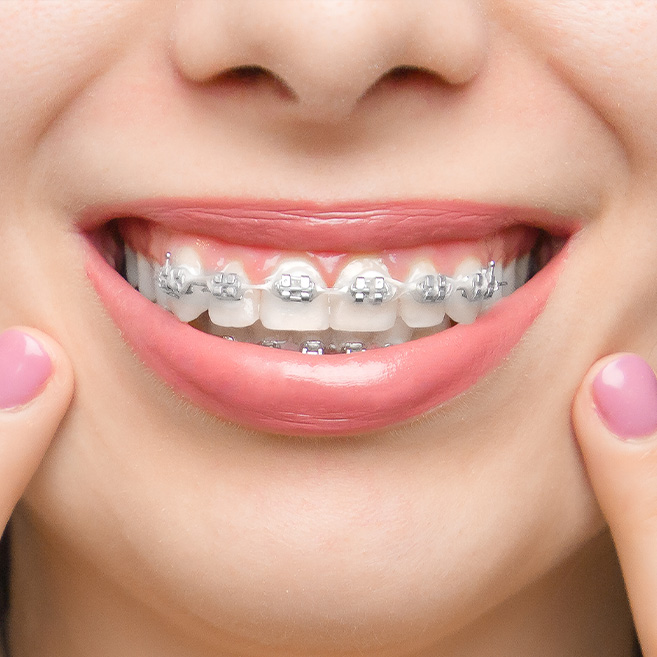
DentoCorrect Teeth braces treatment Process
Teeth braces treatment follows a structured, step-by-step clinical approach to ensure safe and predictable tooth movement. Each stage is carefully monitored to maintain healthy gums, stable bite correction, and long-term results. Consistency with appointments plays a key role in achieving the desired outcome.
Consultation and Assessment
We begin with a detailed oral examination, digital X-rays, and bite analysis to evaluate tooth position. This helps identify underlying issues and determine whether braces are the most suitable option.
Personalized Treatment Planning
A customized orthodontic plan is created based on the severity of misalignment, age, and treatment goals. The timeline and expected outcomes are discussed clearly before starting treatment.
Braces Placement
Brackets are carefully bonded to the teeth, and the orthodontic wire is placed to initiate controlled movement. The procedure typically takes 60–90 minutes and is performed comfortably.
Monthly Adjustments
You will visit approximately every 2–3weeks for adjustments and monitoring. These appointments ensure steady progress and allow minor modifications if needed.
Braces Removal and Retention
Once alignment is achieved, braces are safely removed, and retainers are provided. Retainers are essential to maintain your new smile and prevent relapse.
Ready to get your perfect smile?
Consultation and Assessment
We begin with a detailed oral examination, digital X-rays, and bite analysis to evaluate tooth position. This helps identify underlying issues and determine whether braces are the most suitable option.
Personalized Treatment Planning
A customized orthodontic plan is created based on the severity of misalignment, age, and treatment goals. The timeline and expected outcomes are discussed clearly before starting treatment.
Braces Placement
Brackets are carefully bonded to the teeth, and the orthodontic wire is placed to initiate controlled movement. The procedure typically takes 60–90 minutes and is performed comfortably.
Monthly Adjustments
You will visit approximately every 2–3weeks for adjustments and monitoring. These appointments ensure steady progress and allow minor modifications if needed.
Braces Removal and Retention
Once alignment is achieved, braces are safely removed, and retainers are provided. Retainers are essential to maintain your new smile and prevent relapse.
Benefits of Dental Braces Beyond Appearance
While many people associate teeth braces with cosmetic improvement, their benefits go far beyond straightening teeth. Proper alignment supports healthier gums, balanced jaw function, and improved overall oral efficiency. Correcting bite discrepancies can also prevent long-term complications that may otherwise require complex restorative treatment. Orthodontic correction is therefore both a functional and preventive investment in your oral health.


Improved Bite Function
When teeth are properly aligned, chewing becomes more efficient and balanced. This reduces strain on the jaw muscles and supports smoother overall function.
Reduced Risk of Uneven Tooth Wear
Misaligned teeth often create uneven pressure during biting, leading to premature enamel wear. Braces help distribute force evenly, protecting teeth from long-term damage.
Long-Term Oral Stability
Correct alignment makes it easier to maintain oral hygiene and reduces the risk of future shifting. With proper retention, braces provide lasting structural stability to your smile.
When teeth are properly aligned, chewing becomes more efficient and balanced. This reduces strain on the jaw muscles and supports smoother overall function.
Misaligned teeth often create uneven pressure during biting, leading to premature enamel wear. Braces help distribute force evenly, protecting teeth from long-term damage.
Get Your Dental Braces
From DentoCorrect
Our modern techniques, latest digital technologies and expert dentists guarantee remarkable results!
- ISO-Certified Safety Standards
- Accurate Diagnosis
- Transparent Treatment Plans
- Safe and Pain-Free Dentistry
Years of experience
Happy Patients
Frequently Asked Questions
Most braces treatments last between 12 to 24 months, depending on how severe the alignment issue is and how consistently you follow appointments and care instructions. More complex cases may take longer.
Pain in teeth braces don’t usually cause sharp, but some mild pressure or soreness is common during the first few days after placement or adjustments. This normal discomfort usually goes away within a couple of days and can be managed with soft foods and mild pain relievers.
Clear aligners and traditional braces both straighten teeth effectively, but the best option depends on the complexity of your case. Braces are often more suitable for moderate to severe crowding, significant bite corrections, and complex tooth movements because they provide greater control. Clear aligners are removable and more discreet, making them a popular choice for mild to moderate alignment issues and adults seeking aesthetic convenience.
Yes, braces can correct many types of bite discrepancies, including overbite, underbite, crossbite, and open bite. Correcting bite issues can improve chewing function and reduce jaw strain.
Braces can be effective at almost any age, including adulthood. Early evaluation is recommended for children around age 7 to detect potential orthodontic issues, but adults often opt for braces too.


