
A knock or rub inside the mouth
The most common start: biting the cheek, a sharp or chipped tooth, a rough filling, a brace wire, a hard toothbrush or a scald from hot tea. The ulcer forms exactly where the lining was broken.
Broken tooth guide
A mouth ulcer is a small, painful sore on the inside of the cheek, lip or tongue, usually with a white or yellow centre and a red rim. Most come from a bite, a sharp tooth, stress or low iron or vitamin B12, and heal on their own within one to two weeks. One that lasts more than three weeks, or keeps coming back, needs a dentist to find the cause.
Most sores inside the mouth are ordinary ulcers. These are the signs that tell you it is one, and not something else:
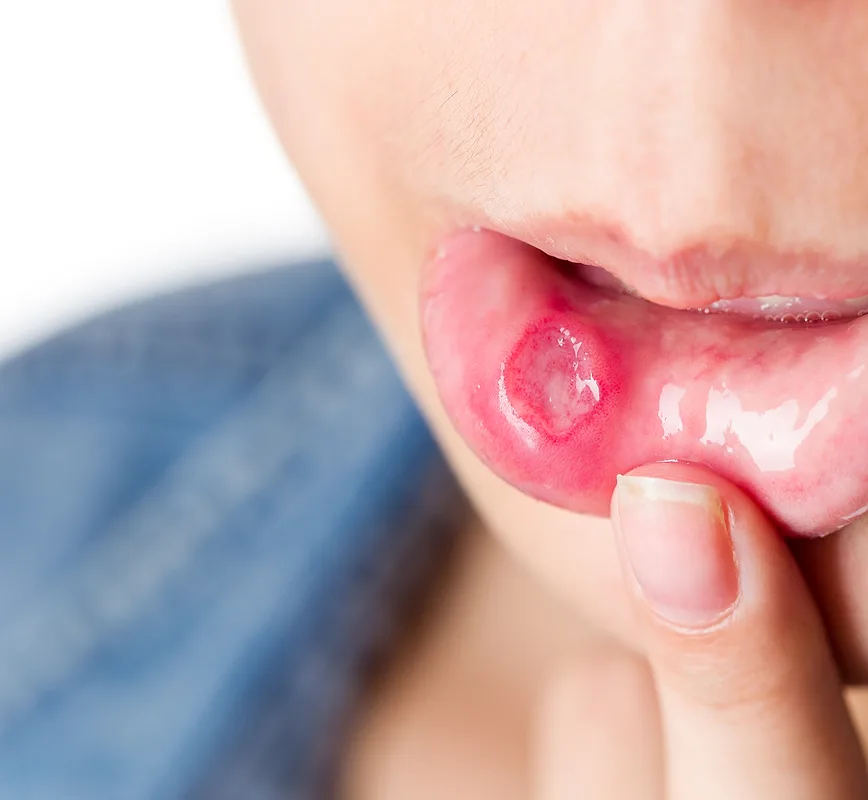
The three-week rule: an ulcer that is still there after three weeks, whether it hurts or not, needs a dentist to look at it.
Book a Free ConsultationA single ulcer usually has a simple cause. Ulcers that keep returning usually have one of these behind them, and often two together:
The most common start: biting the cheek, a sharp or chipped tooth, a rough filling, a brace wire, a hard toothbrush or a scald from hot tea. The ulcer forms exactly where the lining was broken.
Broken tooth guideExam weeks, work pressure and a run of short nights are the triggers people notice most. The ulcers tend to appear a day or two after the stressful stretch, not during it.
The lining of the mouth renews itself every few days and needs these to do it. Low levels are common in Pakistan, especially in women, and show up as ulcers that keep coming back.
Chillies, achar, chaat masala, citrus and scalding tea do not cause ulcers on their own, but they irritate a tender spot into opening and make an existing ulcer last longer.
Many women get ulcers in the days before a period or during pregnancy. People who stop smoking or naswar often get a burst of ulcers for a few weeks, and toothpastes that foam with sodium lauryl sulphate irritate some mouths.
Coeliac disease, Crohn’s disease, Behçet’s disease and some medicines cause repeated crops of ulcers. They are the exception, which is why ulcers that return every few weeks deserve a proper check rather than another gel.
Three sores get called an ulcer and are not one. Each has its own cause and its own fix:
A pimple-like swelling on the gum beside one tooth, often leaking a salty fluid, is not an ulcer. It is the drain for an abscess at the root of a decayed or cracked tooth, and it needs that tooth treated.
Tooth infection guideAn ulcer that heals and then returns in exactly the same spot on the cheek or tongue almost always sits next to a chipped tooth or a rough filling edge. It only stops once the edge is smoothed.
Broken tooth guideSaliva protects the lining of the mouth. With less of it, from medicines, mouth breathing or diabetes, the lining cracks and ulcers form more easily, and dentures start to rub.
Dry mouth guideAlmost all mouth ulcers are harmless. This is how to tell an ordinary one from the few that need a dentist to look:
Mouth ulcer or mouth cancer? Pakistan has one of the highest rates of mouth cancer in the world because of naswar, gutka, paan and smoking. An early cancer is usually a painless, firm sore that does not heal, most often on the side of the tongue or the floor of the mouth. The rule is simple: an ulcer that is still there after three weeks gets looked at. Book a check-up and it takes five minutes to settle it.
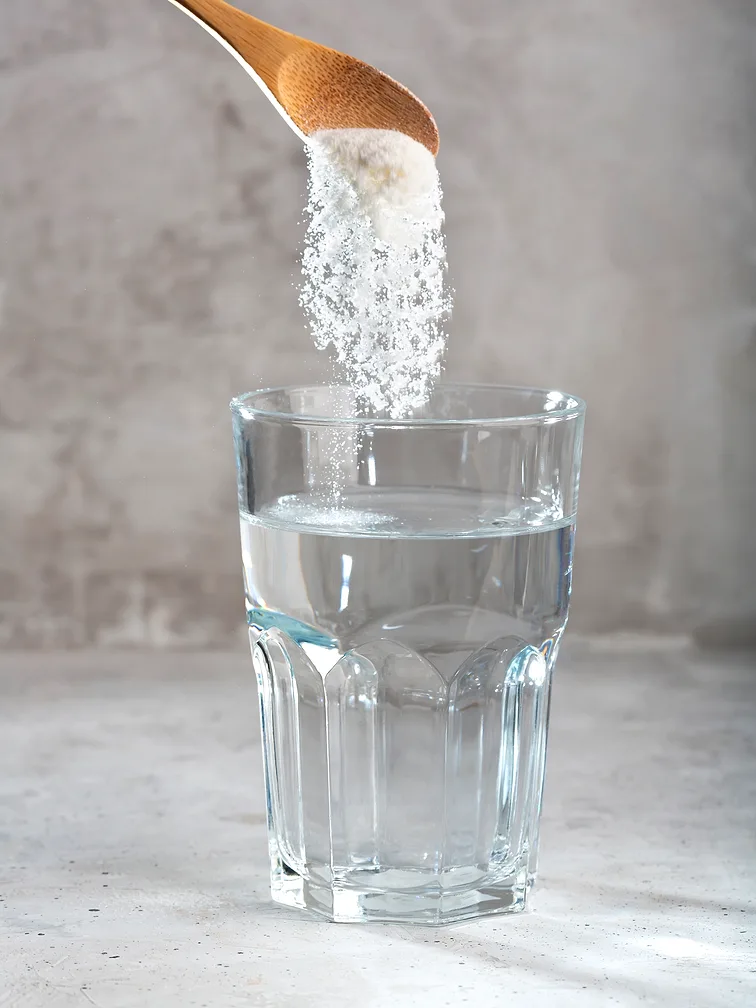
Nothing makes an ulcer vanish overnight, but these steps take the sting out and get it healing:
Gels and tablets ease the pain but do not change why the ulcer formed. Our guide to mouth ulcer medicines in Pakistan compares the common ones. If you need one every month, have the cause checked.
The dentist looks at the ulcer, checks the teeth and fillings next to it and asks how often you get them. Treatment depends on what turns up:
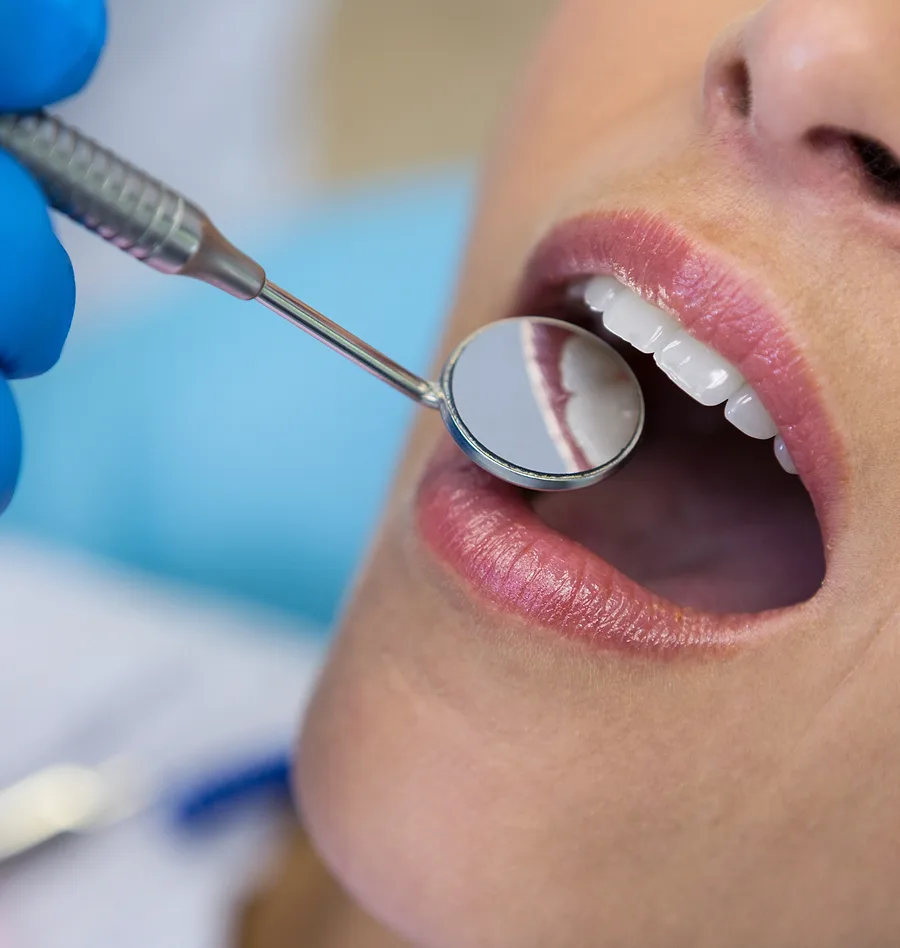

A sharp tooth edge or rough filling is smoothed in minutes, a brace wire is adjusted and a rubbing denture is eased, so the ulcer stops coming back in the same place.

For large or stubborn ulcers the dentist prescribes a steroid paste or an antiseptic rinse, which cuts the pain quickly and shortens healing.

Ulcers that return every few weeks are checked with a simple blood test for iron, vitamin B12 and folate, and the dentist refers you on if a gut or immune cause is suspected.

Any ulcer older than three weeks is examined under good light, and if it looks unusual a small sample is taken or you are referred for one. Early is the easy stage to treat.
DentoCorrect is Pakistan's ISO-certified, multi-city dental clinic network with qualified dentists at every location. Here is what sets us apart:
Experienced dentists at every DentoCorrect clinic
The sharp edge, deficiency or habit behind repeat ulcers is looked for
Strict safety and sterilisation protocols at every clinic

An ulcer older than three weeks is examined and referred without delay
You'll know what's needed and what it costs before we begin

Lahore (Johar Town, Gulberg & DHA), Islamabad, Rawalpindi, Karachi, Faisalabad, Peshawar, and Multan
Most mouth ulcers start with a small injury inside the mouth: biting the cheek, a sharp or broken tooth, a rough filling, a brace wire or brushing too hard. Stress and poor sleep, low iron, vitamin B12 or folate, very spicy, sour or hot food, hormonal changes around a period, stopping smoking and some toothpastes all make them more likely. A few people get them because of a gut or immune condition, which is why frequent ulcers deserve a check-up rather than another tube of gel.
Mouth ulcers are called muh ke chale (منہ کے چھالے) in Urdu. Most heal on their own within one to two weeks. Rinse with warm salt water three or four times a day, avoid spicy, sour and very hot food until it heals, brush gently with a soft brush, and use a numbing gel from the pharmacy before meals if the pain stops you eating. If an ulcer lasts more than three weeks, is painless, or keeps coming back, see a dentist so the cause can be found.
A small ulcer, the common kind, hurts most in the first three or four days and heals within seven to fourteen days without leaving a mark. A large ulcer, wider than a centimetre, can take three to six weeks and may leave a small scar. Any ulcer that is still there after three weeks should be looked at by a dentist, even if it does not hurt.
Repeat ulcers, called recurrent aphthous stomatitis, usually have a trigger that can be found. The common ones are stress and lack of sleep, low iron, vitamin B12 or folate, the days before a period, a toothpaste containing sodium lauryl sulphate, and a sharp tooth or filling that keeps catching the same spot. Less often they are a sign of coeliac disease, Crohn's disease or another condition. If you get them more than three or four times a year, ask for a blood test and a dental check.
Almost all mouth ulcers are harmless, but Pakistan has one of the highest rates of mouth cancer in the world because of naswar, gutka, paan and smoking, so the warning signs matter. An ordinary ulcer is painful and heals within two weeks. See a dentist without delay if an ulcer lasts more than three weeks, is painless or feels hard at the edges, bleeds easily, sits inside a red or white patch, or comes with a lump in the neck. A dentist can examine it and, if needed, arrange a biopsy.
Low vitamin B12, iron and folate (vitamin B9) are the deficiencies most often linked to repeat mouth ulcers, and low zinc sometimes plays a part. They are common in Pakistan, especially in women and in people who eat little meat, eggs or green vegetables. A simple blood test shows whether a level is low, and ulcers often stop once it is corrected. Do not take high-dose supplements without a test; they help only if a level is actually low.
Children get mouth ulcers from cheek bites, hot food and viral infections such as hand, foot and mouth disease, which brings several blisters and a fever. Give soft, cool food and plenty of fluids, avoid salty, sour and spicy food, and use paracetamol by weight for pain. Salt-water rinses are only for children old enough not to swallow them. See a doctor if your child cannot drink, the fever lasts more than two days, there are many blisters, or an ulcer is still there after two weeks.
No. The common mouth ulcer inside the cheek or lip cannot be passed to anyone by kissing, sharing a glass or sharing food. Cold sores are different: they form on the outside of the lip, blister and crust over, are caused by the herpes virus and do spread. Hand, foot and mouth disease in children also spreads easily. If a sore is on the outside of the lip or comes with a fever, treat it as infectious until a doctor says otherwise.
Ulcers on the tongue have the same causes as ulcers elsewhere in the mouth, but they hurt more because the tongue moves with every word and swallow. A very common cause is a sharp or chipped tooth edge next to the sore spot, so the ulcer keeps returning in the same place until the edge is smoothed. An ulcer on the side or underneath of the tongue that does not heal within three weeks should always be checked, as these are the places mouth cancer most often starts.
Pharmacies sell numbing gels with lidocaine or benzocaine, choline salicylate gels, antiseptic mouthwashes and, on prescription, a steroid paste such as triamcinolone for large or stubborn ulcers. All of them ease the pain and may shorten healing by a day or two, but none of them changes the reason the ulcer formed. Our separate guide to mouth ulcer medicines compares the common brands. If you are reaching for a gel every month, the better medicine is finding the cause.