Dental Crowns: Types, Costs, and Care in Pakistan
Have you ever bitten into something hard and suddenly felt a crack in your tooth? Or perhaps you’ve had a root canal and your dentist recommended a crown afterward. Many people hear about dental crowns but aren’t completely sure what they do, why they’re needed, or how much they cost. Ignoring a damaged tooth can lead to bigger problems over time.
What starts as a minor crack or weakened tooth may eventually require more extensive treatment if left untreated. The good news is that tooth crowns offer a reliable way to restore damaged teeth, improve appearance, and protect your oral health for years to come. In this guide, we’ll discuss dental crowns, the available options in Pakistan, their costs, and how to care for them properly.
What Are Dental Crowns?
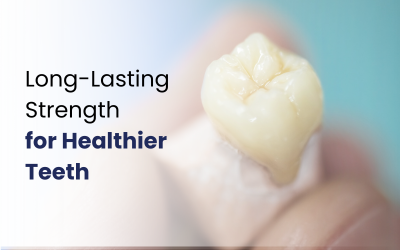
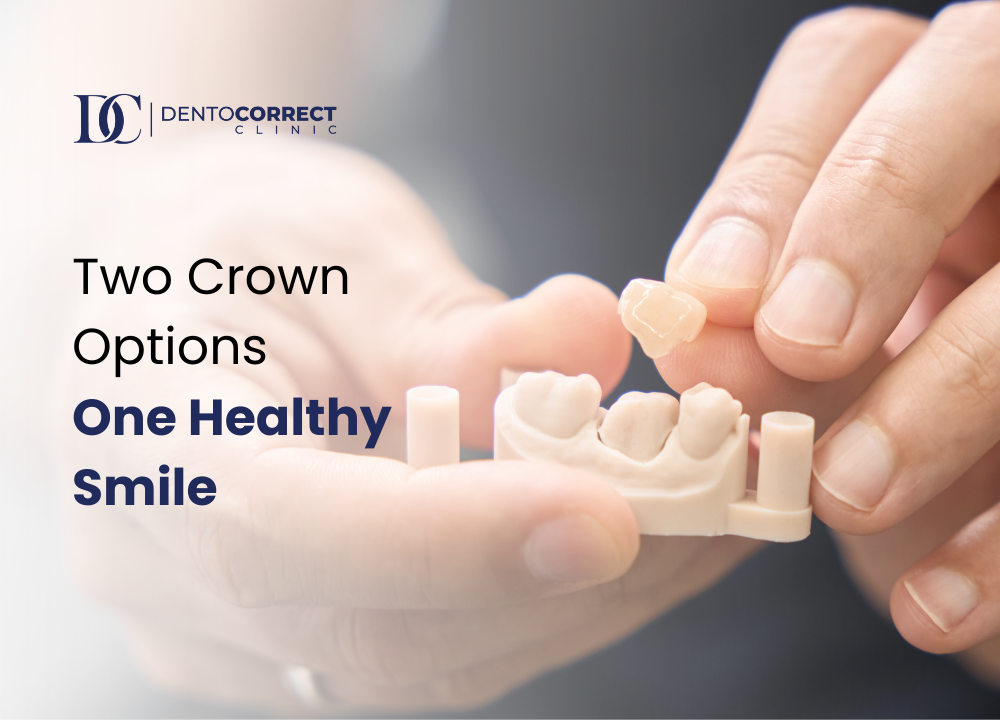
Dental crowns are custom-made caps that fit over a damaged or weakened tooth, most commonly placed on root canal treated or previously restored teeth. They are designed to restore the tooth’s shape, strength, function, and appearance while protecting it from further damage.
Think of a crown as a protective cover that reinforces a tooth that can no longer support itself properly. Dentists commonly recommend dental crowns for teeth that have large fillings, fractures, extensive wear, or that have undergone root canal treatment.
What does this mean for you? Instead of extracting a damaged tooth that can still be preserved, modern restorative options like crowns can help retain the natural tooth while restoring its strength, function, and structure, allowing it to continue functioning effectively.
When Are Dental Crowns Needed?
Many patients ask, “When are dental crowns needed?” A dentist may recommend a crown in the following situations:
- To protect a weak or cracked tooth after it is restored
- After root canal treatment
- To restore a severely worn-down tooth
- To cover a large filling
- To improve the appearance of misshapen teeth
- To restore broken teeth
For example, imagine a patient who has a large filling that repeatedly breaks. Each repair removes more tooth structure. Eventually, a crown becomes the better option because it protects the remaining tooth from further damage.
Types of Dental Crowns
Understanding the types of dental crowns and cost can help you make a more informed treatment decision. Each type of crown offers unique advantages in terms of aesthetics, durability, and price. The right choice depends on factors such as the location of the tooth, your bite force, cosmetic expectations, and long-term goals.
Porcelain Crowns
front teeth where appearance is a priority. Their ability to mimic the color and translucency of natural enamel makes them a popular choice for patients seeking highly aesthetic results.
Benefits include:
- Excellent aesthetics
- Natural translucency
- Stain resistance
Porcelain crowns are particularly suitable for visible areas of the smile, helping patients achieve a seamless and natural-looking restoration.
Zirconia Crowns
Zirconia has become one of the most popular materials for modern tooth crowns due to its exceptional combination of strength and appearance. These crowns are capable of withstanding significant chewing forces, making them suitable for both front and back teeth.
Benefits include:
- Exceptional strength
- Natural appearance
- Long-term durability
Many patients choose zirconia crowns because they provide both reliability and aesthetics without compromising on either of the factors.
Porcelain-Fused-to-Metal (PFM) Crowns
These crowns combine a metal framework with an outer porcelain layer. The metal provides structural support, while the porcelain helps create a tooth-colored appearance.
Benefits include:
- Good durability
- Cost-effective solution
How Much Are Dental Crowns?
| Type of Crown | Best For | Durability | Appearance | Estimated Cost (PKR) |
|---|
| Porcelain Crown | Front teeth | Good | Excellent, highly natural | Rs. 18,000 – 35,000 |
| Zirconia Crown | Front and back teeth | Excellent | Excellent | Rs. 25,000 – 50,000 |
| Porcelain-Fused-to-Metal (PFM) Crown | Back teeth | Very Good | Good | Rs. 15,000 – 30,000 |
| Metal Crown | Molars and non-visible areas | Excellent | Limited aesthetics | Rs. 12,000 – 25,000 |
Factors That Affect Cost
Several elements influence pricing:
- Material selected: Zirconia, porcelain, PFM, or metal all come at different price points based on strength and aesthetics
- Complexity of treatment: Teeth requiring root canal treatment, buildup, or additional preparation may increase overall cost
- Number of crowns required: Single crowns cost less overall compared to multiple restorations or full-mouth rehabilitation
- Laboratory quality: High-precision dental labs that focus on fit, shade matching, and durability may increase cost but improve outcomes
- Dentist’s expertise: Experience, clinical approach, and technology used (such as digital scanning) also affect pricing
What Happens During the Crown Procedure?
The process for receiving dental crowns is generally straightforward.
- Initial Assessment: Your dentist examines the tooth and determines whether a crown is the most suitable treatment option.
- Tooth Preparation: The tooth is carefully reshaped so the crown can fit securely.
- Digital Scans or Impressions: Precise measurements are taken to ensure a comfortable and accurate fit.
- Crown Placement: Once the final crown is ready, it is fitted, adjusted, and bonded into place. Most patients find the procedure comfortable and appreciate the immediate improvement in both function and appearance.
How Long Does Dental Crowns Last?
One of the most important questions patients ask is how long dental crowns last. The lifespan of a crown depends on factors such as:
- Material quality
- Oral hygiene habits
- Bite forces
- Teeth grinding
- Regular dental visits
With proper care, many dental crowns can last between 10 and 15 years, while some may remain functional for even longer. The key is maintaining good oral hygiene and attending routine dental checkups.
How Often to Replace Dental Crowns
Although crowns are highly durable, they are not permanent restorations. You may eventually need replacement if:
- The crown becomes loose
- The material fractures
- Decay develops underneath
- The fit changes over time
Patients sometimes notice food getting trapped around the crown or floss repeatedly catching in the same area. These can be early signs that the restoration requires professional evaluation. Understanding how often to replace tooth crowns helps ensure that small problems are addressed before they become larger concerns.
Caring for Dental Crowns
Proper maintenance plays a major role in extending the lifespan of dental crowns.
- Brush Consistently: Brush at least twice daily using a fluoride toothpaste.
- Floss Daily: Cleaning around the crown is essential for maintaining healthy gums and preventing decay near the margins. Regular brushing, flossing, and the use of inter-dental brushes can help effectively clean around the crown and keep the surrounding gums healthy.
- Avoid Excessive Force: Avoid chewing ice, hard candies, or other extremely hard objects that may damage restorations.
- Manage Teeth Grinding: If you grind your teeth during sleep, a nightguard can help protect both natural teeth and crowns.
- Attend Regular Checkups: Routine examinations allow your dentist to monitor the condition of your restoration and address concerns early.
Final Thoughts
Modern dental crowns have transformed the way damaged teeth are restored. They provide strength, protection, and natural-looking results while helping patients maintain their oral health and confidence. Whether you have a cracked tooth, a large filling, or require support for dental crowns and bridges, timely treatment can help preserve your smile and prevent further complications.
If you have concerns about a damaged or weakened tooth, a comprehensive dental evaluation can help determine the most appropriate treatment plan based on your individual needs. At DentoCorrect Clinic, our team focuses on personalized treatment planning, advanced restorative solutions, and long-term oral health outcomes to help patients achieve durable and natural-looking results.
Disclaimer
This article is intended for informational and educational purposes only and should not be considered a substitute for professional dental advice, diagnosis, or treatment. Individual treatment recommendations may vary depending on a patient’s oral health condition. Always consult a qualified dental professional for a personalized assessment.