
Root Canal Treatment in Pakistan
At DentoCorrect, this procedure is performed under local anaesthesia using modern rotary endodontic techniques, making it far more comfortable than its reputation suggests.
- ISO-Certified Clinics
- Nationwide Clinics
- 50K+ Patients Treated
Root Canal Treatment in Pakistan
At DentoCorrect, this procedure is performed under local anaesthesia using modern rotary endodontic techniques, making it far more comfortable than its reputation suggests.
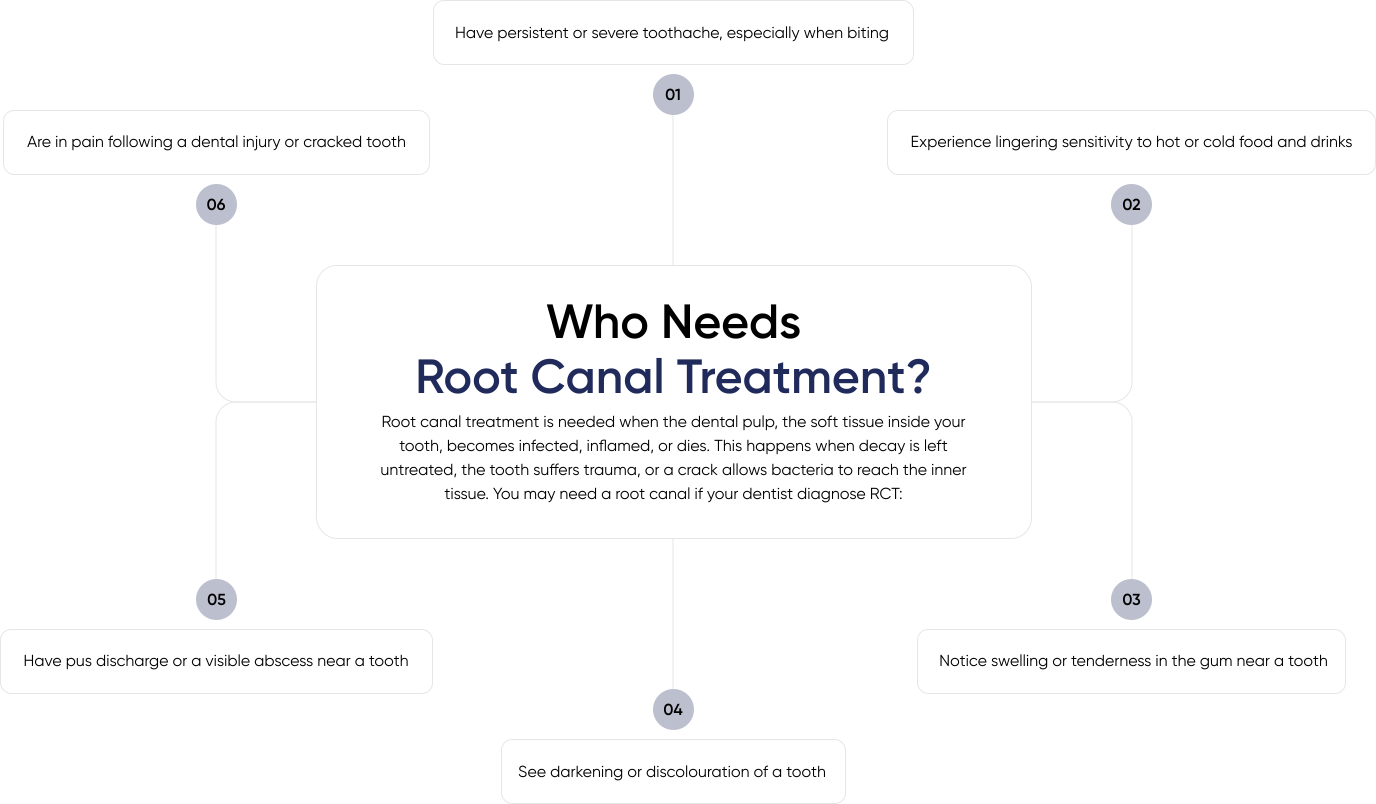
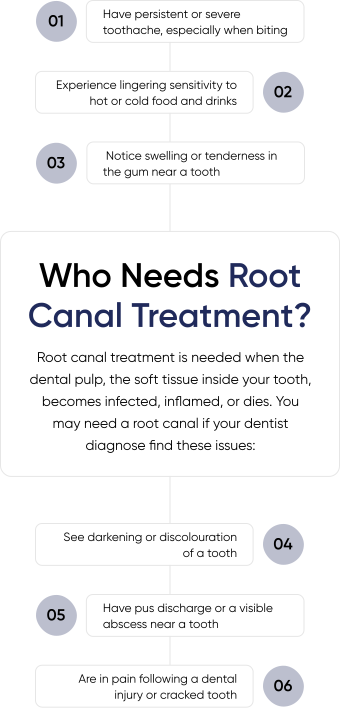
Tooth pain from a deep infection does not go away on its own and delaying treatment makes it worse. Root canal treatment (RCT) removes the infected tissue from inside your tooth, eliminates the pain, and saves the tooth entirely. At DentoCorrect, this procedure is performed under local anaesthesia using modern rotary endodontic techniques, making it far more comfortable than its reputation suggests.
Whether you are experiencing sudden toothache, lingering sensitivity, or a swollen gum, our qualified dentists and endodontists across Lahore, Islamabad, Karachi, Rawalpindi, Faisalabad, Multan and Peshawar are ready to diagnose, treat, and restore, backed by ISO-certified clinical protocols.
What Is Root Canal Treatment?
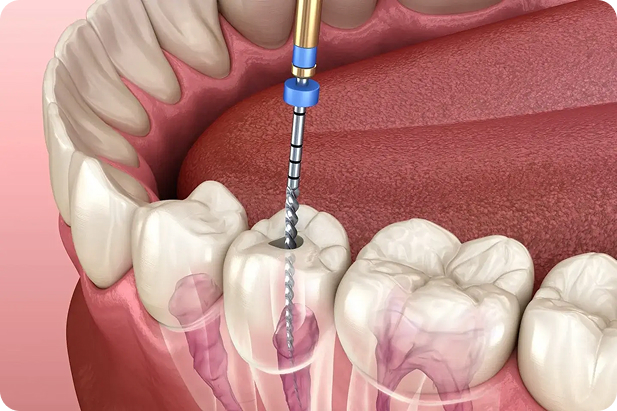
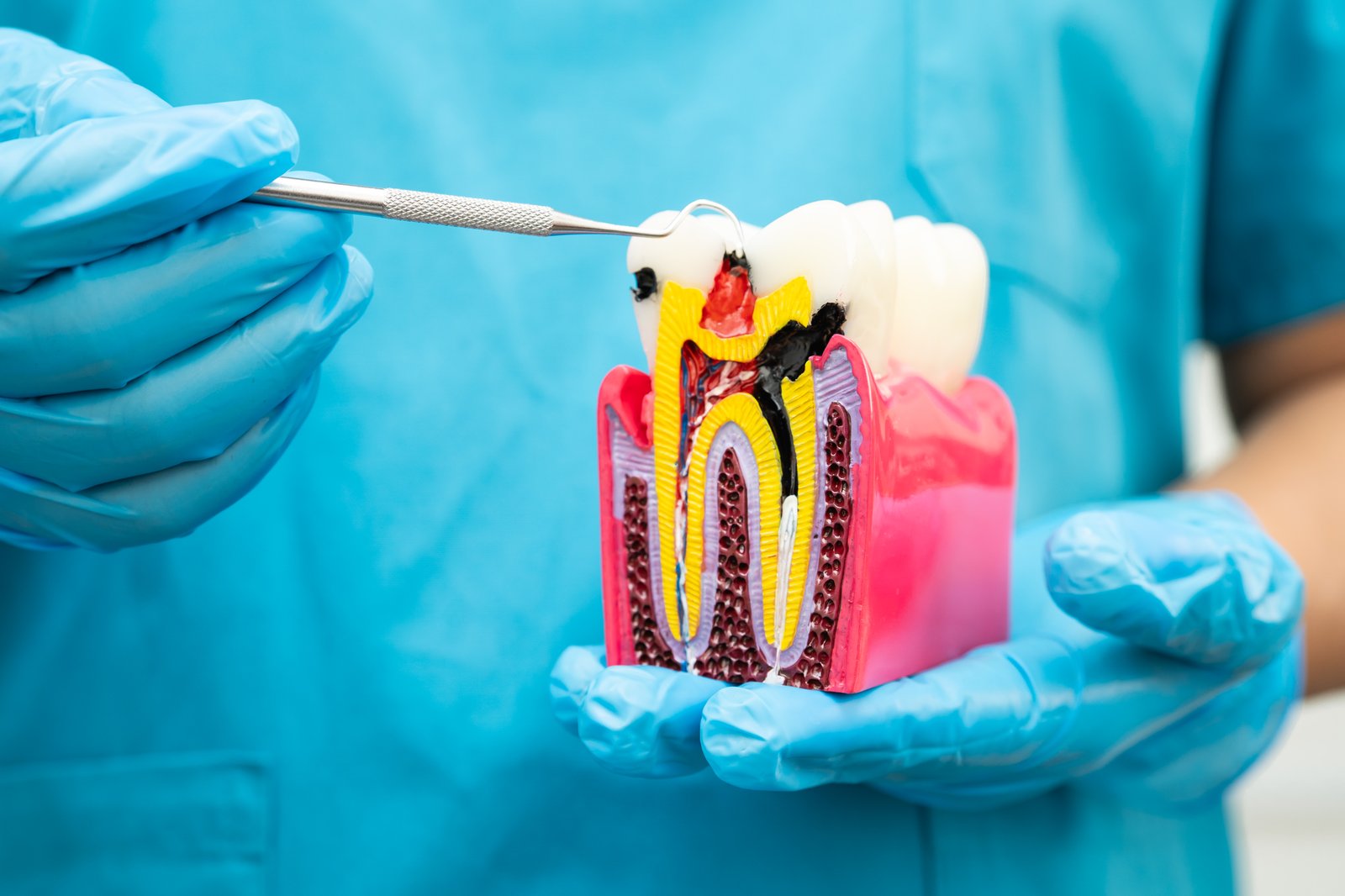
Root canal treatment also known as endodontic treatment or RCT is a dental procedure that removes infected or inflamed pulp tissue from inside a tooth, then cleans, disinfects, and seals the canals to prevent re-infection. The goal is to save your natural tooth rather than extract it. Every RCT procedure addresses the three layers of the tooth:
- Enamel & Dentine (The outer protective layers that surround the inner pulp)
- Pulp Chamber (The soft tissue at the centre containing nerves and blood vessels)
- Root Canals (The narrow channels running through each tooth root treated and sealed during RCT)
Comprehensive Root Canal Care
Not all root therapy cases are identical. DentoCorrect’s endodontic approach is tailored to the tooth, the number of canals, and the severity of infection.
Standard Treatment (Single or Multi-Canal)
The most common procedure. Single-canal teeth (front incisors and canines) are simpler and faster; multi-canal teeth ( molars with 2–4 canals) require more time and precision. Completed in 1–2 sessions, depending on the severity of infection.
Single-Sitting Treatment
For straightforward cases without severe infection or complex anatomy, the entire procedure, cleaning, shaping, disinfection and filling is completed in one appointment of approximately 90 minutes. Reduces the risk of recontamination between visits.
Re-Treatment
When a previously treated tooth develops recurrent infection, re-treatment may be required. The original filling material is removed, canals are re-cleaned, and the tooth is re-sealed. Success rates for re-treatment remain high when performed by an experienced endodontist.
Pulpotomy (Partial Pulp Removal)
Root Canal Procedure
Our process follows a structured clinical protocol designed for precision, patient safety, and long-term outcomes. Every step is explained clearly before it begins.
Your dentist performs a thorough examination of the affected tooth and surrounding tissues. Digital X-rays assess the root canal anatomy, extent of infection, and surrounding bone health, giving us the complete picture needed for accurate treatment planning. In complex cases, CBCT 3D imaging may be recommended.
Clinical Examination & Digital X-Ray
Local Anaesthesia
A small access hole is created in the crown of the tooth. Using rotary endodontic files electrically driven nickel-titanium instruments. The infected or inflamed pulp is carefully removed from all canals. The rotary technique is faster, more precise, and creates less procedural stress than manual filing.
Access & Pulp Removal
Canal Cleaning, Shaping & Irrigation
Once clean and dry, the canals are filled with gutta-percha a biocompatible, rubber-like material and sealed with adhesive cement. The access cavity is then closed with a temporary or permanent filling to protect the tooth until crown placement.
Filling & Sealing (Obturation)
Initial Consultation & Digital Assessment
Benefits of Root Canal Treatment
Root canal treatment outperforms tooth extraction across every dimension that affects your
long-term oral health and quality of life:
Saves Your Natural Tooth
No prosthetic matches the function and feel of your own tooth. RCT preserves what is already there.
Permanent Pain Relief
The procedure eliminates the source of infection the pain ends with the treatment, not after days of worsening.
Prevents Bone Loss
Natural tooth roots stimulate the jawbone. Extraction without replacement leads to gradual, irreversible bone deterioration.
Protects Adjacent Teetht
Untreated infection spreads. RCT stops bacterial spread before it reaches neighbouring teeth or jawbone.
Restores Full Chewing Function
A crowned, treated tooth functions identically to a natural one no dietary restrictions, no discomfort.
Cost-Effective Long Term
RCT + crown is typically more affordable than extraction + implant when total long-term cost is considered.
Root Canal Treatment vs Tooth Extraction
Patients often ask whether it is better to save a tooth with a root canal or simply extract it. Here is a straightforward comparison:
|
Factor
|
Root Canal + Crown
|
Tooth Extraction Only
|
Extraction + Implant
|
|---|---|---|---|
|
Preserves Natural Tooth
|
Yes
|
No
|
No (replaced)
|
|
Prevents Bone Loss
|
Yes
|
No
|
Yes (implant)
|
|
Adjacent Teeth Unaffected
|
Yes
|
Shifting may occur
|
Yes
|
|
Yes
|
Gap remains
|
Mostly
|
|
|
Treatment Timeline
|
1–2 sessions
|
Single appointment
|
4–6 months
|
Why Choose DentoCorrect
for Root Canal?
DentoCorrect is Pakistan’s ISO-certified, multi-city dental clinic network with qualified dentists and endodontists at every location. Here is what sets us apart:
ISO-certified
safety & sterilization standards
Over 10K+
successful RCT procedures
Rotary Endodontic
for precise, faster treatment
Digital X-Ray Diagnosis
for accurate canal assessment
Specialist Endodontists
not junior dentists
Pain-free Treatment
under local anesthesia
Transparent Pricing
written treatment plans upfront
Same Day
consultation available
Clinics in 7 Major Cities
across Pakistan
Aftercare Guidance
Post-treatment follow-up
Root Canal Treatment Cost in Pakistan
We believe patients deserve to know what they are paying for. Below is an indicative pricing guide for root canal treatment at DentoCorrect. Exact costs are confirmed after your clinical assessment, as they depend on the tooth type, number of canals, and infection severity.
Initial Consultation
Root Canal Treatment
Starting from
Starting from
Starting from
Starting from
Get Root Canal Treatment
From DentoCorrect
Our modern techniques, latest digital technologies and expert dentists guarantee remarkable results!
- ISO-Certified Safety Standards
- Accurate Diagnosis
- Transparent Treatment Plans
- Safe and Pain-Free Dentistry
Years of experience
Happy Patients
FAQs
Root canal treatment price in Pakistan typically starts from 8,000 PKR, depending on the tooth type, number of canals, and infection complexity. Front teeth (single canal) cost less than molars (3–4 canals). At DentoCorrect, exact pricing is confirmed in a written treatment plan before any procedure begins. Crown placement, if required, is priced separately. See our pricing table above.
Most root therapy treatments at DentoCorrect are completed in 1–2 sessions of 60–90 minutes each. Straightforward single-canal front teeth may be completed in one sitting. Molars with complex anatomy or severe infection may require two appointments. A separate appointment is recommended for crown placement after the root canal heals.
Delaying treatment allows the infection to spread to surrounding bone and tissue, leading to a dental abscess, severe pain, jawbone destruction, loosening of adjacent teeth, and eventually tooth loss. This increases treatment complexity and cost significantly. Prompt treatment resolves the infection before irreversible damage occurs.


