Choosing the Right Orthodontic Treatment for Your Needs
Choosing the right Orthodontic treatment is vital for long-term oral health, a radiant smile, and self-confidence. Proper alignment corrects bite issues and can prevent tooth decay or gum disease. At DentoCorrect Clinic, we understand that each patient’s teeth and jaw structure is unique. We tailor care to your needs, whether you’re looking for traditional braces for teeth, invisible braces for adults, or other dental alignment solutions. As one of Pakistan’s leading orthodontic clinics, DentoCorrect brings experienced specialists and modern technology to help you achieve a healthier, more confident smile.
Understanding Orthodontic Treatment What Is Orthodontic Treatment?
Orthodontic treatment is a specialized branch of dentistry focused on correcting malocclusion (misalignment of teeth and jaws) to achieve proper function and aesthetics. This typically involves applying gentle pressure via braces or aligners to move teeth into ideal positions. The goal is to ensure teeth and jaws work together for optimal chewing, speech, and overall dental health. In essence, orthodontics creates balanced bites and harmonious facial structure, resulting in a healthy smile that’s easier to clean.
Who Needs Orthodontic Treatment?
Orthodontic care can benefit people of almost any age. Signs that you might need treatment include visible misalignment such as crowding (teeth overlapping due to lack of space), spacing (gaps between teeth), or bite problems like overbite (upper teeth protrude) and underbite (lower teeth protrude). Other issues include crossbite (teeth do not align properly) or open bite (upper and lower teeth don’t meet). Even if you only notice minor crowding or spacing, straightening your teeth can prevent future problems. For example, crowded or gapped teeth may trap plaque and lead to cavities. Ultimately, anyone with a misaligned bite or crooked teeth should consider an orthodontic evaluation. DentoCorrect offers comprehensive orthodontic consultation in Pakistan, helping diagnose these issues early and design an effective teeth straightening plan.
Benefits of Orthodontic Treatment
Improved oral health: Straight teeth are easier to brush and floss, which lowers the risk of tooth decay and gum disease. Proper bite alignment also reduces abnormal enamel wear.
Enhanced smile aesthetics: A well-aligned set of teeth creates a beautiful, symmetric smile. Many patients report renewed pride in their appearance once treatment is completed.
Corrected bite and function: Proper orthodontic alignment fixes bite problems, making chewing and speaking easier. For instance, correcting an overbite or underbite helps jaw joints function smoothly and reduces strain.
Increased confidence: Orthodontic treatment can boost self-esteem. Studies find that a straighter smile often leads to better social interactions and self-confidence. Patients frequently note they feel more willing to smile and engage with others after seeing their orthodontic results.

Similar Services
View All
Braces Price in Pakistan
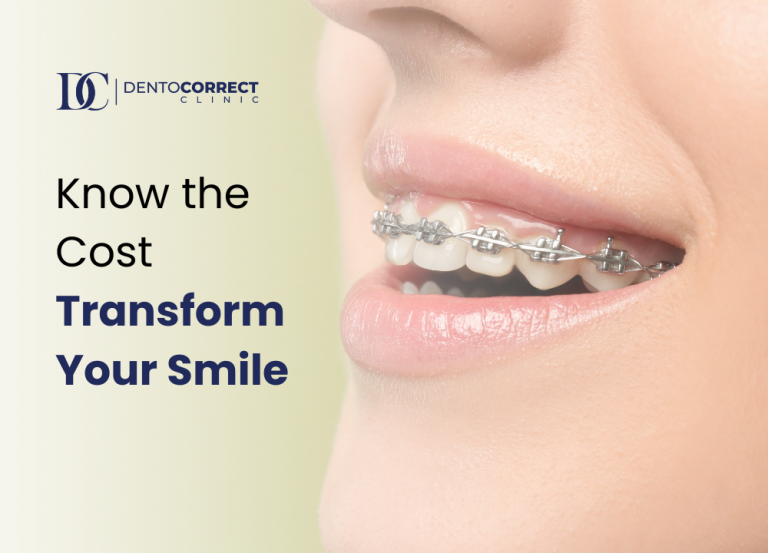
Blog Does Scaling Damage Teeth Know the Cost Transform Your Smile Braces Price in Pakistan: Guide for 2026 Tired of dealing with crooked, crowded, or misaligned teeth? One of the first questions that comes to mind is, wondering about the braces price in Pakistan? If you’re dealing with crooked teeth, gaps, or bite issues, braces are a reliable orthodontic treatment that can improve both your smile and long-term oral health. The cost of dental braces in Pakistan varies depending on several factors, including the type of braces, the complexity of your case, treatment duration, and the expertise of your orthodontist. While many patients focus primarily on the price, it’s important to understand that orthodontic treatment is a long-term investment in your confidence, dental health, and overall well-being. In this guide, we’ll discuss the different types of braces available, average braces prices in Pakistan, factors affecting treatment costs, and how to choose the right dental clinic. Types of Braces Available in Pakistan Modern orthodontics offers several treatment options to suit different needs, budgets, and lifestyles. The right choice depends on factors such as the complexity of your case, aesthetic preferences, treatment goals, and budget. Metal Braces Traditional metal braces are fixed orthodontic appliances that use metal brackets and wires to gradually move teeth into proper alignment. They consist of high-grade stainless-steel brackets attached to the teeth and connected by archwires that gradually move teeth into their desired positions. Modern metal braces are smaller, more comfortable, and more efficient than older designs. They are highly effective for treating mild to severe orthodontic problems, including crowding, spacing, and complex bite issues. Advantages: Effective across a wide range of case severities Durable and reliable Suitable for patients of all ages Considerations: More visible than other treatment options Requires careful oral hygiene maintenance Best for: Teenagers and adults looking for a reliable and cost-effective treatment option. Ceramic Braces Ceramic braces function similarly to traditional metal braces but use tooth-colored or clear brackets that blend with the natural shade of your teeth. This makes them a popular choice among adults and older teenagers who want a more discreet appearance during treatment. Ceramic braces can effectively treat most orthodontic issues while offering improved aesthetics compared to metal braces. Advantages: Less noticeable than metal braces Effective for a wide range of orthodontic problems More aesthetically pleasing Considerations: Generally more expensive than metal braces Brackets may be more delicate than metal alternatives Requires good oral hygiene to maintain appearance Self-Ligating Braces Self-ligating braces use specialized clips or sliding mechanisms instead of elastic bands to hold the archwire in place. This design reduces friction between the wire and brackets, allowing teeth to move more efficiently. Many patients find self-ligating braces easier to clean and more comfortable during adjustments. They are available in both metal and ceramic versions. Advantages: Fewer orthodontic adjustment appointments Reduced friction and pressure Easier cleaning and maintenance Improved comfort for some patients Considerations: Higher cost than traditional metal braces Not every case will experience shorter treatment time Lingual Braces Lingual braces are custom-made braces attached to the inner surface of the teeth, making them completely hidden when you smile or speak. They provide the benefits of fixed orthodontic treatment while remaining virtually invisible. Because they are placed behind the teeth, lingual braces require advanced training and customized treatment planning. Advantages: Completely hidden from view Effective for many orthodontic problems Ideal for patients concerned about aesthetics Considerations: More expensive than conventional braces The initial adjustment period may affect speech Cleaning can be more challenging Best for: Professionals, public-facing individuals, and anyone seeking maximum discretion during treatment. Braces Price in Pakistan by Type The braces price in Pakistan can vary significantly depending on the treatment type and complexity of the case. On average, patients can expect to pay between PKR 80,000 and PKR 450,000 for orthodontic treatment. While traditional metal braces generally cost less, advanced solutions such as ceramic braces, lingual braces, and clear aligners may require a higher investment due to their aesthetics and technology. It’s important to remember that treatment costs often include consultations, treatment planning, periodic adjustments, and follow-up appointments. Type of Braces Estimated Cost (PKR) Metal Braces 80,000 – 180,000 Ceramic Braces 120,000 – 250,000 Self-Ligating Braces 150,000 – 300,000 Lingual Braces 250,000 – 450,000+ These figures are estimates and may vary from clinic to clinic. At DentoCorrect, our orthodontic specialists provide personalized treatment plans designed around your smile goals, lifestyle, and budget. Factors Influencing Braces Cost in Pakistan Type of Braces The chosen treatment option has the biggest impact on cost. Traditional metal braces are typically more affordable, while aesthetic and advanced orthodontic systems generally cost more. Complexity of the Case Patients with severe crowding, spacing issues, or bite problems may require longer treatment durations and more complex orthodontic planning. Orthodontist’s Experience Experienced orthodontists often charge higher fees due to their specialized training, expertise, and proven treatment outcomes. Diagnostic Procedures Orthodontic treatment typically involves: Dental X-rays Clinical photographs Digital scans Treatment planning These procedures contribute to the overall treatment cost. Treatment Duration Most orthodontic treatments last between 12 and 24 months, although some cases may require a longer period. Longer treatments often involve additional appointments and adjustments. Clinic Facilities and Technology Clinics equipped with modern technology and digital treatment planning systems may have different pricing structures compared to conventional practices. City-Wise Comparison of Braces Prices Treatment costs can also vary based on location. City Average Cost Range (PKR) Karachi 120,000 – 350,000 Lahore 100,000 – 320,000 Islamabad 130,000 – 380,000 Rawalpindi 100,000 – 300,000 Faisalabad 90,000 – 280,000 Multan 85,000 – 250,000 Peshawar 80,000 – 240,000 Major cities often have access to advanced orthodontic technologies and a wider range of treatment options, which can influence pricing. How to Choose the Right Clinic or Orthodontist Choosing the right orthodontic provider is just as important as selecting the type of braces. When evaluating clinics, consider: Qualifications of the orthodontist Experience with similar cases Modern treatment technology Transparent treatment planning Before-and-after patient results Flexible payment options
Zirconia Crown vs Porcelain Crown
Compare zirconia crowns and porcelain crowns in terms of strength, appearance, durability, and cost. Learn which dental crown may be right for your needs.
Dental Crowns: Types, Costs, and Care in Pakistan
Blog Does Scaling Damage Teeth Long LastingStrength for HealthierTeeth Dental Crowns: Types, Costs, and Care in Pakistan Have you ever bitten into something hard and suddenly felt a crack in your tooth? Or perhaps you’ve had a root canal and your dentist recommended a crown afterward. Many people hear about dental crowns but aren’t completely sure what they do, why they’re needed, or how much they cost. Ignoring a damaged tooth can lead to bigger problems over time. What starts as a minor crack or weakened tooth may eventually require more extensive treatment if left untreated. The good news is that tooth crowns offer a reliable way to restore damaged teeth, improve appearance, and protect your oral health for years to come. In this guide, we’ll discuss dental crowns, the available options in Pakistan, their costs, and how to care for them properly. What Are Dental Crowns? Dental crowns are custom-made caps that fit over a damaged or weakened tooth, most commonly placed on root canal treated or previously restored teeth. They are designed to restore the tooth’s shape, strength, function, and appearance while protecting it from further damage. Think of a crown as a protective cover that reinforces a tooth that can no longer support itself properly. Dentists commonly recommend dental crowns for teeth that have large fillings, fractures, extensive wear, or that have undergone root canal treatment. What does this mean for you? Instead of extracting a damaged tooth that can still be preserved, modern restorative options like crowns can help retain the natural tooth while restoring its strength, function, and structure, allowing it to continue functioning effectively. When Are Dental Crowns Needed? Many patients ask, “When are dental crowns needed?” A dentist may recommend a crown in the following situations: To protect a weak or cracked tooth after it is restored After root canal treatment To restore a severely worn-down tooth To cover a large filling To improve the appearance of misshapen teeth To restore broken teeth For example, imagine a patient who has a large filling that repeatedly breaks. Each repair removes more tooth structure. Eventually, a crown becomes the better option because it protects the remaining tooth from further damage. Types of Dental Crowns Understanding the types of dental crowns and cost can help you make a more informed treatment decision. Each type of crown offers unique advantages in terms of aesthetics, durability, and price. The right choice depends on factors such as the location of the tooth, your bite force, cosmetic expectations, and long-term goals. Porcelain Crowns front teeth where appearance is a priority. Their ability to mimic the color and translucency of natural enamel makes them a popular choice for patients seeking highly aesthetic results. Benefits include: Excellent aesthetics Natural translucency Stain resistance Porcelain crowns are particularly suitable for visible areas of the smile, helping patients achieve a seamless and natural-looking restoration. Zirconia Crowns Zirconia has become one of the most popular materials for modern tooth crowns due to its exceptional combination of strength and appearance. These crowns are capable of withstanding significant chewing forces, making them suitable for both front and back teeth. Benefits include: Exceptional strength Natural appearance Long-term durability Many patients choose zirconia crowns because they provide both reliability and aesthetics without compromising on either of the factors. Porcelain-Fused-to-Metal (PFM) Crowns These crowns combine a metal framework with an outer porcelain layer. The metal provides structural support, while the porcelain helps create a tooth-colored appearance. Benefits include: Good durability Cost-effective solution How Much Are Dental Crowns? Type of Crown Best For Durability Appearance Estimated Cost (PKR) Porcelain Crown Front teeth Good Excellent, highly natural Rs. 18,000 – 35,000 Zirconia Crown Front and back teeth Excellent Excellent Rs. 25,000 – 50,000 Porcelain-Fused-to-Metal (PFM) Crown Back teeth Very Good Good Rs. 15,000 – 30,000 Metal Crown Molars and non-visible areas Excellent Limited aesthetics Rs. 12,000 – 25,000 Factors That Affect Cost Several elements influence pricing: Material selected: Zirconia, porcelain, PFM, or metal all come at different price points based on strength and aesthetics Complexity of treatment: Teeth requiring root canal treatment, buildup, or additional preparation may increase overall cost Number of crowns required: Single crowns cost less overall compared to multiple restorations or full-mouth rehabilitation Laboratory quality: High-precision dental labs that focus on fit, shade matching, and durability may increase cost but improve outcomes Dentist’s expertise: Experience, clinical approach, and technology used (such as digital scanning) also affect pricing What Happens During the Crown Procedure? The process for receiving dental crowns is generally straightforward. Initial Assessment: Your dentist examines the tooth and determines whether a crown is the most suitable treatment option. Tooth Preparation: The tooth is carefully reshaped so the crown can fit securely. Digital Scans or Impressions: Precise measurements are taken to ensure a comfortable and accurate fit. Crown Placement: Once the final crown is ready, it is fitted, adjusted, and bonded into place. Most patients find the procedure comfortable and appreciate the immediate improvement in both function and appearance. How Long Does Dental Crowns Last? One of the most important questions patients ask is how long dental crowns last. The lifespan of a crown depends on factors such as: Material quality Oral hygiene habits Bite forces Teeth grinding Regular dental visits With proper care, many dental crowns can last between 10 and 15 years, while some may remain functional for even longer. The key is maintaining good oral hygiene and attending routine dental checkups. How Often to Replace Dental Crowns Although crowns are highly durable, they are not permanent restorations. You may eventually need replacement if: The crown becomes loose The material fractures Decay develops underneath The fit changes over time Patients sometimes notice food getting trapped around the crown or floss repeatedly catching in the same area. These can be early signs that the restoration requires professional evaluation. Understanding how often to replace tooth crowns helps ensure that small problems are addressed before they become larger concerns. Caring for Dental Crowns Proper maintenance plays a major role