Preserve or Remove?
Know the Right
Dental Treatment

Root Canal Treatment vs Extraction: Which Option is Better?

A severe toothache can quickly turn a normal day into a stressful one. A dentist discusses treatment, they focus on saving the tooth rather than offering removal as an equal option. Many assume that removing a tooth is the simplest solution. If the tooth is already damaged or infected, why not just take it out and move on?

But dentistry has changed a lot over the years. In many cases, saving the natural tooth can actually be the better long-term option for your oral health. Understanding the difference between Root Canal Treatment vs Extraction can help you make a more informed decision when facing serious tooth problems.

This article is for informational purposes only and does not replace professional dental advice. Treatment decisions should always be made after a clinical examination and diagnostic evaluation by a qualified dentist.

How Root Canal Treatment Works

Root canal treatment is designed to remove infection while preserving the natural tooth.

Cleaning the infected pulp

During Root Canal treatment, the dentist creates a small opening in the tooth and removes the infected pulp tissue. This eliminates the source of pain and infection.

Disinfecting the canals

The internal canals of the tooth are carefully cleaned and disinfected to remove bacteria.

Sealing the tooth

After cleaning, the canals are filled with a special material to prevent bacteria from returning.Its always recommended to have a crown after RCT.

Once healed, the tooth can continue functioning normally for many years.

What Happens During Tooth Extraction?

When a tooth is too damaged to save, Tooth extraction may be recommended. The procedure usually involves:

  • Numbing the area: Local anesthesia is used to ensure comfort.
  • Loosening the tooth: Special instruments gently loosen the tooth from its socket.
  • Removing the tooth: The dentist carefully removes it from the jaw.

While the extraction itself may solve the infection, the missing tooth often requires further solutions such as implants, bridges, or dentures to restore normal function.

What Most People Get Wrong When Choosing

The biggest mistake people make when comparing Root Canal vs Extraction is focusing only on short-term relief. Saving the natural tooth often has several long-term advantages:

  • Maintains natural chewing ability
  • Prevents surrounding teeth from shifting
  • Preserves jawbone structure
  • Avoids additional replacement procedures

This can only be determined by a dentist through a proper oral examination and X-ray analysis. If you are unsure whether your tooth can be saved or needs removal, a proper clinical evaluation is essential. It is difficult to Choose the right dental clinic. Visit DentoCorrect for a detailed assessment and personalized treatment plan.

When Each Treatment Is Usually Recommended

Root Canal Treatment may be recommended if

  • The tooth structure is mostly intact
  • Infection is limited to the pulp
  • The tooth can still be restored with a crown
  • Preserving natural tooth is possible

Extraction May Be Recommended If

  • The tooth is severely fractured
  • There is extreme bone loss around the tooth
  • The infection cannot be treated effectively
  • The tooth cannot support a restoration

Dentists evaluate X-rays, infection levels, and structural damage before recommending the most suitable treatment.

Why Do Teeth Reach a Point Where Treatment Is Needed?

Teeth rarely require major treatment overnight. Usually, the problem develops slowly over time. Several issues can damage the inner structure of a tooth, including:

  • Deep tooth decay: When cavities are left untreated, bacteria gradually move deeper into the tooth.
  • Infection in the pulp: The pulp contains nerves and blood vessels. Once bacteria reach this area, pain and infection begin.
  • Cracked or broken teeth: Trauma, grinding, or biting something hard can damage the inner tooth structure.
  • Repeated dental procedures: Multiple fillings or treatments on the same tooth can weaken it over time.

When the inner pulp becomes infected or severely damaged, dentists typically prioritize saving the tooth with a root canal treatment. At DentoCorrect, treatment decisions are based on clinical protocols, digital diagnostics, and long-term oral health outcomes rather than short-term fixes.

Common Myths About Root Canal and Tooth Removal

There are many misconceptions surrounding root canal and tooth extraction. The most common myths about these two treatments are:

Myth 1: Root canal treatment is extremely painful

Modern RCT procedures are done with anesthesia and are usually no more uncomfortable than getting a filling. The pain most people associate with root canals actually comes from the infection before treatment.

Myth 2: Tooth extraction is always the easier option

While removing a tooth may sound simple, extraction of teeth often creates additional issues such as shifting teeth, bone loss, and the need for replacement treatments later.

Myth 3: Removing a tooth solves the problem permanently

The infection may be removed, but the missing tooth can create bite problems and affect chewing, speech, and jaw structure.

Practical Tips to Prevent Major Dental Treatments

While treatments like RCT and extraction are effective, preventing severe tooth damage is always better. Here are some habits that help protect your teeth:

  • Regular dental checkups: Early cavities can be treated before they reach the pulp.
  • Proper brushing and flossing: Removing plaque reduces the risk of deep decay.
  • Limiting sugary foods: Sugar feeds bacteria that cause cavities.
  • Addressing tooth pain early: Ignoring sensitivity or discomfort often allows the problem to worsen.

Quick Answers People Usually Ask

1. Is a root canal better than removing the tooth?

In many cases, saving the natural tooth with Root Canal treatment is preferred because it maintains normal chewing and jaw structure.

2. Is extraction faster than a root canal?

The procedure itself may be shorter, but missing teeth often require additional treatments later.

Can infection return after RCT?

It is uncommon, but if the tooth is not sealed properly or develops new decay, reinfection can occur.

Closing Thoughts

Choosing between Root Canal vs Extraction is not always straightforward. Each situation depends on the condition of the tooth, the level of infection, and the long-term impact on oral health.

When possible, preserving the natural tooth is usually beneficial. However, only a dentist can accurately determine whether the damage is too severe. In cases where the tooth cannot be saved, removing it may be the safest and most effective option.

If you are experiencing severe tooth pain or have been advised extraction, do not make a rushed decision. At DentoCorrect a dental clinic in Lahore, Islamabad, Rawalpindi and all over the Pakistan, our dental experts carefully evaluate whether your tooth can be preserved before recommending removal. Book your consultation today and get a clear, clinically guided solution.

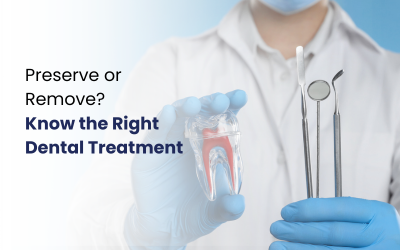
Table of Contents

Introduction

Written by

Dr. Waheen Haider

Project Director, DentoCorrect Clinic

Related Articles

Wisdom Tooth Pain

Wisdom Tooth Pain

Blog Does Scaling Damage Teeth Battling Wisdom Tooth Pain From Discomfort to…

Bleeding Gums Causes And Treatment

Bleeding Gums Causes And Treatment

Understand the root causes of bleeding gums and discover easy ways to…

Choosing the Dental Clinic

Choosing the Dental Clinic

Choosing the dental clinic is key to your oral health. Discover the…

Wisdom Tooth Pain

Wisdom Tooth Pain

Blog Does Scaling Damage Teeth Battling Wisdom Tooth Pain From Discomfort to Relief Wisdom Tooth Pain: Causes, Symptoms, and Effective Treatments Wisdom teeth often emerge without noticeable symptoms, yet they can quickly lead to significant discomfort. A dull ache at the back of the jaw or sudden swelling near the molars are common early signs that should not be overlooked. These late-erupting teeth frequently lack sufficient space to grow properly, which can result in pain, inflammation, and other dental complications for many individuals. But what exactly causes this discomfort? And more importantly, how can it be treated effectively? What Are Wisdom Teeth? Wisdom teeth are the third set of molars that typically emerge between the ages of 17 and 25. While some people experience no issues at all, others may develop complications due to lack of space, improper alignment, or partial eruption. Have you ever wondered why these teeth cause more problems than others? The answer lies in evolution. Our jaws have become smaller over time, leaving less room for these extra molars. Common Causes of Discomfort 1. Impaction One of the most frequent causes is impaction, where the tooth is unable to fully emerge through the gum. It may grow sideways, remain trapped, or only partially erupt. A university student begins to notice pressure and pain during exam week. Initially dismissed as stress, the discomfort worsens only to find out later that an impacted molar was the cause. 2. Infection and Inflammation Partially erupted teeth can create a flap of gum tissue that traps food and bacteria. This leads to infection, swelling, and difficulty opening the mouth. Do your gums feel tender or swollen at the back of your mouth? This is the sign that your wisdom tooth is cause of this swelling and pain. 3. Crowding When there isn’t enough space in the jaw, these back molars can push against adjacent teeth as they try to erupt. This pressure may lead to shifting, misalignment, and discomfort that gradually worsens over time. In patients who have previously completed orthodontic treatment, this can be particularly frustrating, as it may compromise the stability of their results. A young professional who had braces a few years ago starts noticing slight overlap in the front teeth again. Upon examination, the underlying cause turns out to be pressure from erupting wisdom teeth at the back. Have you noticed subtle changes in your tooth alignment or increased tightness between teeth? This is sign of crowding and causes the wisdom tooth pain. 4. Tooth Decay or Gum Disease Due to their position at the very back of the mouth, these molars are harder to reach and clean effectively. Food particles and plaque tend to accumulate easily, increasing the risk of cavities and gum infections. Over time, this can lead to decay not only in the wisdom tooth but also in the neighboring molar. Gum disease in this area may begin as mild inflammation but can progress to more serious conditions if left untreated, including persistent infection and tissue damage. A patient maintains a good oral hygiene routine but continues to experience discomfort. A dental check-up reveals decay in a partially erupted molar that was difficult to clean properly, along with early-stage gum infection. Recognizing the Pain Symptoms Understanding wisdom tooth pain symptoms early can help prevent complications. Look out for: Persistent ache at the back of the mouth Swollen or bleeding gums Jaw stiffness or difficulty opening the mouth Bad breath or unpleasant taste Headaches or ear pain Do you feel pain while chewing on one side? That could be an early warning sign. When Should You Seek Help? Not all discomfort requires immediate intervention, but certain signs should not be ignored: Severe or worsening pain, often as a dull jaw ache that radiates to the temples, along with headaches and ear pain. Fever or swelling spreading to the face Difficulty swallowing or breathing If you notice these, it’s important to consult a dental professional promptly. Effective Treatment Options 1. At-Home Relief Measures For mild discomfort, temporary relief can be achieved through: Warm saltwater rinses Over-the-counter pain relievers Cold compress to reduce swelling However, these are short-term solutions and do not address the root cause. 2. Professional Care For mild discomfort, temporary relief can be achieved through: Warm saltwater rinses Over-the-counter pain relievers Cold compress to reduce swelling However, these are short-term solutions and do not address the root cause. Wisdom Tooth Extraction When the tooth is impacted, infected, or causing damage, wisdom tooth extraction is often the most effective solution. A young professional delays treatment due to a busy schedule. Over time, the pain becomes severe, affecting sleep and productivity. At DentoCorrect Clinics, early evaluation can prevent this progression, saving you from unnecessary discomfort and complex procedures. After extraction, not only does the pain resolve, but overall oral health improves significantly, restoring comfort and daily performance. At DentoCorrect Clinic, we provide precise diagnosis and personalized care to address the root cause of your discomfort. Book your consultation today and take the first step toward lasting relief. What to Expect During Extraction: The procedure is typically straightforward and performed under local anesthesia. In more complex cases, sedation may be used. After removal, you may experience mild swelling and discomfort for 1-2 weeks. Following post-operative instructions like avoiding hard foods and maintaining oral hygiene ensures smooth recovery. Preventing Future Problems While you can’t always prevent issues, early monitoring makes a significant difference especially since wisdom teeth typically erupt between the ages of 17 and 21, when early signs of pain or complications can first appear. Schedule regular dental check-ups Maintain good oral hygiene Address minor symptoms before they escalate When was your last dental check-up? If you’ve been noticing wisdom tooth pain or discomfort at the back of your mouth, don’t wait for it to worsen. Early evaluation can prevent complications and reduce the need for more complex procedures. A Balanced Approach to Care Not every case requires immediate removal. In some situations, dentists may recommend

What is Teeth Crowding

What is Teeth Crowding

Learn what is teeth crowding and how it affects your bite, hygiene, and overall oral health. Explore solutions including orthodontics and extractions.

Get Your Clear Aligners
From DentoCorrect

Our modern techniques, latest digital technologies and expert dentists guarantee remarkable results!

Years of experience

0 +

Happy Patients

0 K+

Book Appointment

Scroll to Top