What Are the Different Types of Tooth Wear?
Have you noticed your teeth becoming more sensitive, looking shorter, or developing small chips near the edges? Not all tooth damage is caused by cavities. In many cases, teeth gradually lose their structure over time due to physical forces, acid exposure, or daily habits. This process is known as tooth wear.
Tooth wear is the progressive loss of enamel and tooth structure that is not caused by bacterial decay. While it may seem minor initially, untreated tooth wear can eventually affect function, appearance, and comfort. Understanding the type of wear is important because different causes require different treatment approaches.
Why Does Tooth Wear Happen?
Your teeth are exposed to constant daily stress. Brushing to acidic foods and nighttime grinding, several factors can slowly weaken and wear down enamel over time. Common contributing factors include:
- Teeth grinding or clenching
- Acidic foods and beverages
- Aggressive brushing habits
- Bite imbalance or misalignment
- Medical conditions like acid reflux
Tooth wear is usually gradual, which is why many people do not notice it until sensitivity or visible damage appears.
Types of Tooth Wear
Different patterns of tooth wear happen for different reasons. Identifying the correct type helps determine the right treatment plan.
1. Tooth Erosion
Tooth erosion is chemical wear caused by acids gradually dissolving the enamel surface. Unlike cavities, bacteria are not the primary cause. Instead, frequent exposure to dietary acids or stomach acids slowly softens and weakens enamel, making teeth more vulnerable to thinning, sensitivity, and discoloration. Because enamel does not naturally regenerate, erosion can progress silently for years before visible damage becomes noticeable. Early identification and lifestyle changes are important to help protect the remaining tooth structure.
Common causes:
- Carbonated beverages
- Citrus fruits
- Acid reflux
- Frequent vomiting
- Sports and energy drinks
Signs of tooth erosion:
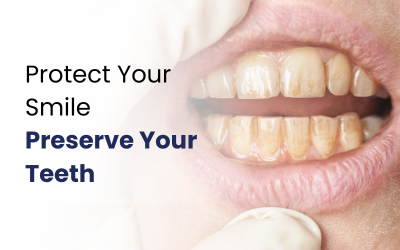
- Flattened, shiny tooth surfaces
- Yellowing teeth
- Increased sensitivity
- Transparent edges on front teeth
2. Tooth Attrition
Tooth attrition occurs when teeth gradually wear down due to repeated contact with other teeth. This type of wear is commonly linked to grinding and clenching habits, which place excessive pressure on enamel over time. Since this process is usually slow and progressive, many people do not notice the damage until their teeth start appearing shorter, flatter, or more sensitive. If left untreated, attrition can weaken the overall tooth structure, increase the risk of fractures, and even affect your bite and jaw comfort.
Common causes:
- Night grinding (bruxism)
- Daytime clenching
- Stress-related jaw tension
- Bite irregularities
Signs of tooth attrition:
- Flattened chewing surfaces
- Chipped edges
- Shorter teeth
- Sensitivity
Noticing tooth sensitivity, flattening, or small chips? Early diagnosis can help prevent further enamel loss and more extensive treatment later. Book your consultation at DentoCorrect dental clinic in Lahore, Islamabad, Rawalpindi, Karachi and Faisalabad for a professional tooth wear assessment.
3. Tooth Abrasion
Tooth abrasion is caused by repeated external friction against the teeth. It is often linked to oral hygiene habits or mechanical trauma. Over time, this constant rubbing wears away the enamel, especially near the gumline. It is usually preventable with correct brushing techniques and proper oral care habits.
Common causes:
- Brushing too hard
- Hard-bristled toothbrushes
- Incorrect brushing technique
Signs of tooth abrasion:
- Notches near gumline
- Gum recession
- Sensitivity while brushing
- Rough edges
Do you brush aggressively thinking more pressure means cleaner teeth? Small technique changes can significantly reduce further damage.
4. Tooth Abfraction
Tooth abfraction refers to wedge-shaped defects near the gumline caused by excessive biting stress and tooth flexure. It is often associated with uneven force distribution across teeth. This repeated stress causes microscopic bending of the tooth structure over time. As a result, small cracks or notches may develop near the gumline, often accompanied by sensitivity.
Common causes:
- Grinding and clenching
- Heavy bite forces
- Misaligned bite
Signs of tooth abfraction:
- V-shaped grooves near gums
- Localized sensitivity
- Stress cracks
Have you noticed sharp grooves near your gums despite brushing gently? This often suggests bite-related stress rather than brushing damage alone.
Dental Solutions for Tooth Wear
Treatment for tooth wear depends on the underlying cause, severity, and how early it is detected. The main goals are to stop further damage, reduce sensitivity, and restore function and aesthetics where needed. In many cases, a combination of preventive care, professional dental treatment, and restorative procedures is recommended for long-term stability.
For Tooth Erosion
Since erosion is caused by acid exposure, treatment focuses on reducing acid contact and strengthening enamel.
- Dietary modifications to limit acidic foods and drinks
- Acid reflux management to control internal acid exposure
- Fluoride support to strengthen and protect remaining enamel
- Dental crown or veneers to rebuild eroded enamel and improve aesthetics
For Tooth Attrition
When wear is caused by grinding or clenching, treatment focuses on protecting teeth and controlling the habit.
- Night guards to prevent grinding during sleep and reduce pressure on teeth
- Bite correction to balance uneven forces across teeth
- Stress management, as clenching is often linked with stress
- Composite bonding or crowns to restore worn tooth surfaces in advanced cases
For Tooth Abrasion
Abrasion is usually habit-related, so correcting daily routines is essential.
- Switching to a soft-bristled toothbrush
- Brushing technique correction, avoiding excessive pressure
- Desensitizing products for exposed or sensitive areas
- Tooth-colored fillings to cover worn cervical areas and reduce sensitivity
For Tooth Abfraction
This type of wear is often linked to bite stress, so treatment aims to improve force distribution.
- Bite analysis to identify areas of excessive pressure
- Occlusal adjustments to balance biting forces
- Protective restorations to stabilize affected areas
- Bonding Restorative treatment which includes tooth colored filling.
Early Diagnosis
Early diagnosis makes treatment more predictable and conservative. Professional evaluation at clinics like DentoCorrect can help identify the cause of wear and guide the right treatment plan. Tooth wear rarely happens overnight. It develops gradually and can easily be overlooked. Without treatment, this can progress into:
- Cracks
- Functional bite issues
- Aesthetic concerns
- Extensive restorative needs
The earlier the cause is identified, the simpler treatment usually is. Unsure why your teeth are wearing down? A regular dental checkup every 6 months helps with the early detection of such problems and identify whether the cause is grinding, acid exposure, brushing habits, or bite imbalance. Visit DentoCorrect Clinics for a personalized treatment plan and smile assessment.
Tooth wear is common, gradual, and often preventable when diagnosed early. Whether caused by grinding, acid, brushing habits, or bite-related stress, identifying the correct type of wear is the first step toward protecting your teeth long-term.
Disclaimer:
This content is for educational purposes only and does not replace professional dental advice, diagnosis, or treatment. Please consult a qualified dentist for personalized care.