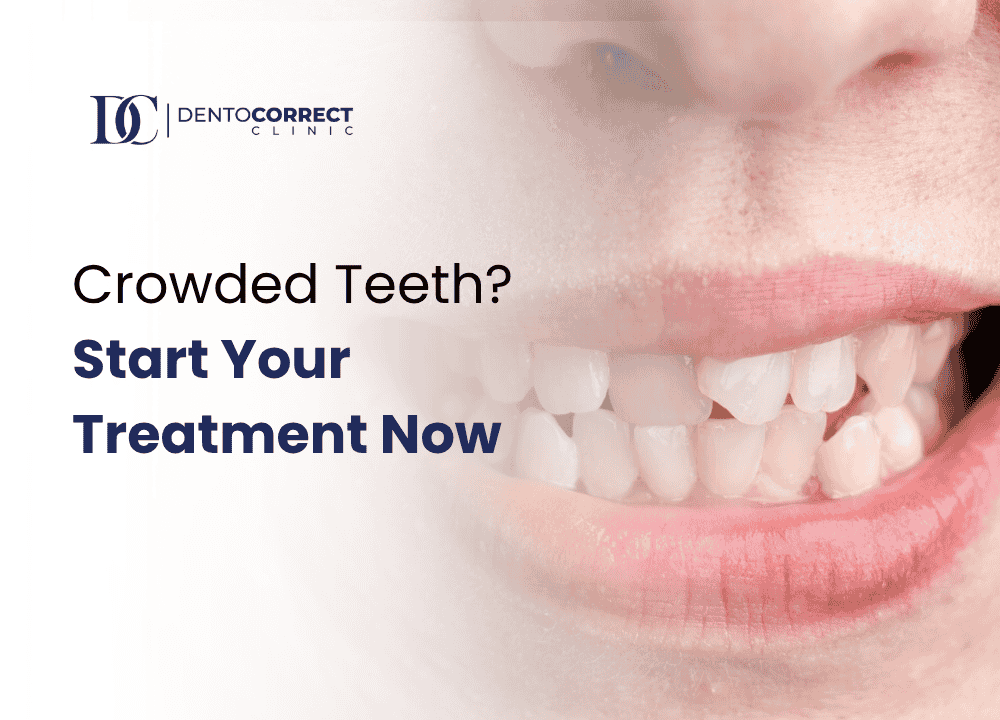
What is Teeth Crowding?
Most people think crooked teeth are just about appearance, something that only affects photos or confidence. But here’s a simple question: What if it’s also affecting how clean your teeth really are and how your bite feels?
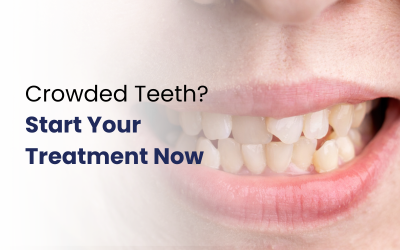
Teeth crowding occurs when there isn’t enough space in your jaw for all your teeth to fit properly. Instead of forming a smooth, even arch, teeth start overlapping, rotating, or shifting out of place.
What this means for you: This teeth issue can make brushing and flossing tricky, increase plaque buildup, and even change how your bite works over time. Teeth crowding is not just about looks, it affects function, hygiene, and long-term oral health.
Different Cases of Teeth Crowding
Crowding severity determines the approach:
- Mild crowding: Minor overlap; might only need monitoring or subtle intervention like minor reshaping.
- Moderate crowding: Noticeable misalignment; usually treated with braces or clear aligners for gradual correction.
- Severe crowding: Significant overlap or twisting; may require the extraction of certain teeth to create space before alignment.
Treatment for Teeth Crowding
1. Orthodontic Treatments
- Braces: Traditional metal or ceramic braces gradually align teeth using controlled pressure.
- Clear aligners: Nearly invisible and comfortable; a popular choice for adults and teens.
2. Tooth Extraction (for moderate to severe cases)
- Creating space allows crowded teeth to move into the correct position.
- Usually combined with braces or aligners for full alignment.
3. Dental Appliances
- Palatal expanders: Widen the upper jaw, mainly in children or teens.
- Retainers: Maintain alignment after treatment and prevent relapse.
Treatment is not just cosmetic, it restores proper function, bite balance, and long-term stability. DentoCorrect Clinic specializes in evaluating alignment concerns like overlapping teeth so you know exactly where you stand before starting any treatment.
The Real Problem Behind Teeth Crowding
Why does dental crowding happen? There are several factors:
- Genetics: Your jaw might be naturally too small to fit all your teeth, or your teeth may be larger than average.
- Early loss of baby teeth: If a baby tooth falls out too soon, neighboring teeth can shift into the space, leaving permanent teeth to erupt in awkward positions.
- Improper eruption: Some teeth grow at an angle or in the wrong direction, creating overlap.
- Childhood habits: Thumb sucking, tongue thrusting, or prolonged pacifier use can push teeth out of alignment early on.
Ever try flossing between two overlapping teeth and find it keeps getting stuck? That’s a small but common sign of crowding starting to affect daily care. Crowding doesn’t just “happen randomly” it develops over time due to space issues in your jaw.
Why It Becomes a Bigger Problem
At first, you might barely notice it. But crowded teeth gradually create more complications:
- Food traps easily: Bits of food can lodge between overlapping teeth.
- Cleaning becomes difficult: Brushing may not reach all surfaces effectively.
- Plaque buildup: Tight spaces become a breeding ground for bacteria.
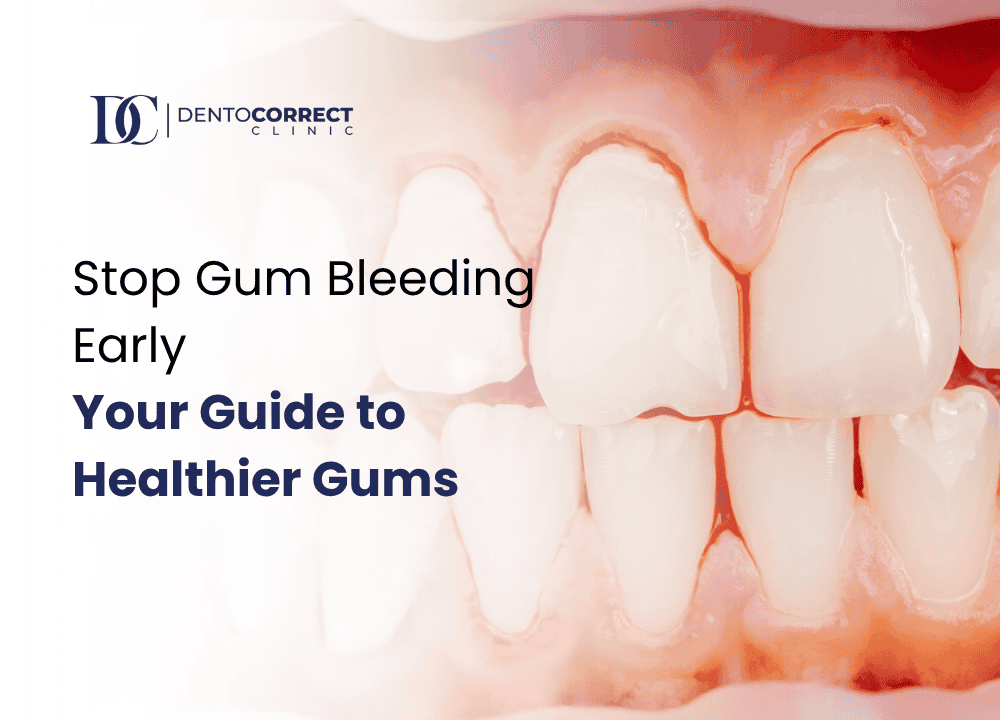
- Gum issues: Inflammation or bleeding may occur, even with careful brushing.
How Dental Crowding Actually Works
When your jaw doesn’t have enough room, teeth adjust in different ways:
- Teeth rotate or overlap: Twisting and tilting makes them harder to clean and more prone to decay.
- Teeth push forward or backward: Crowding can force some teeth out of their ideal position, affecting your smile and function.
- Bite becomes uneven: Misalignment may lead to jaw discomfort, uneven wear, and even difficulty chewing certain foods.
Biting into a sandwich or apple doesn’t feel evenly distributed, you may notice extra pressure on one side. Overlapping teeth aren’t just aesthetic, they’re a functional problem that impacts your bite and oral health.
When Should You Take Action?
Consider acting if:
- Floss consistently gets stuck
- Gums bleed or feel inflamed
- You notice gradual changes in alignment
You may need to wait or prioritize other dental issues if:
- Gum disease is untreated
- Other oral treatments take precedence
How to Manage It Daily (Until Treatment)
- Floss or use interdental brushes every day to remove trapped food.
- Brush thoroughly, including hard-to-reach areas.
- Avoid habits like nail biting or chewing pens, which can worsen alignment.
- Regular dental check-ups to monitor progress and prevent complications.
These steps won’t straighten teeth, but they reduce risks and keep your mouth healthy until proper treatment.
Final Takeaway
Teeth crowding starts small, but it rarely stays minor. The earlier you understand your condition, the easier and more effective treatment usually is. If you notice difficulty cleaning, overlapping teeth, or discomfort when chewing, don’t wait.
Choosing a dental clinic is difficult, but at DentoCorrect Clinic, we provide a professional evaluation to guide you toward the best solution for your teeth helping you make informed, confident decisions. Book your consultation today and get a clear, clinically guided solution.
Disclaimer
This content is for informational purposes only and does not replace professional dental advice, diagnosis, or treatment. Every case is unique; consult a qualified dental professional for personalized recommendations.