Top Mouth Ulcer Treatment's
Ever felt a sharp pain in your mouth while eating your favorite food? You take a bite, and suddenly there’s a burning sting inside your cheek or on your tongue. Even talking or brushing your teeth becomes uncomfortable. That tiny oral sore can completely disrupt your daily routine.
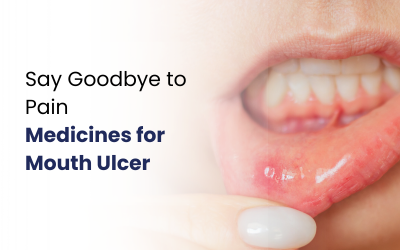
Mouth ulcers are very common and can appear on the inner cheeks (buccal mucosa), tongue, and the inner side of the lower lip (labial mucosa). If you’re searching for mouth ulcer treatment, you’re not alone. These painful mouth sores are extremely common, but they can still be frustrating and sometimes even recurring.
5 Mouth Ulcer Medicines
Now, let’s talk about the OTC ulcer medicine options commonly recommended by dentists for faster relief and healing.
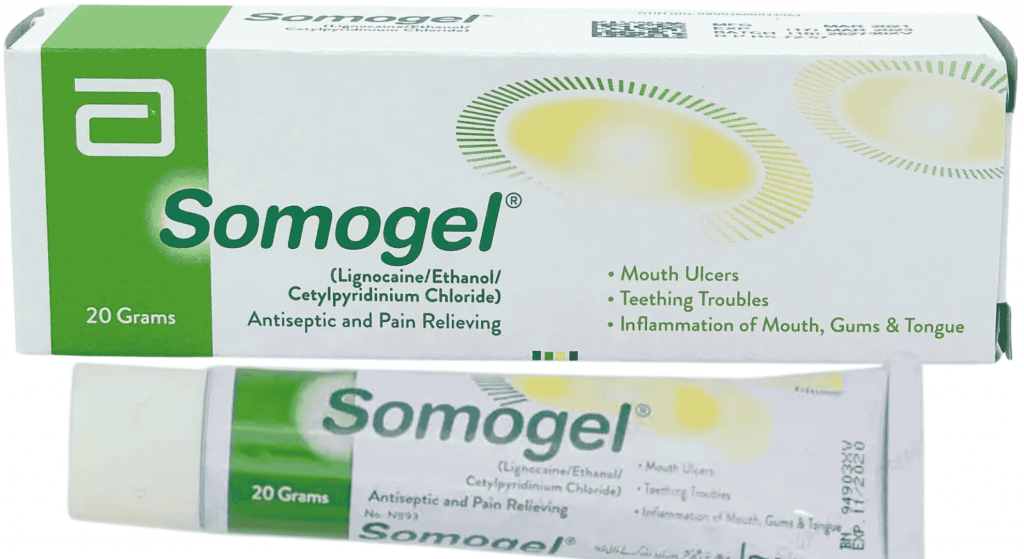
1. Somogel
Somogel is a topical oral gel used for oral sore treatment to relieve pain and promote healing. Here is some points how somogel works
- Forms a soothing protective layer over the ulcer
- Reduces pain and irritation while eating or speaking
- Helps the area heal by minimizing friction
- You can use somogel if you have, mouth sores, minor oral injuries and irritated gums or inner cheek ulcers.
If your ulcer hurts while eating, Somogel can make daily activities more comfortable by numbing and protecting the area.
Contraindications: Avoid use if you are allergic to any of the ingredients. Not recommended for infants or very young children without medical advice. Use with caution in pregnant or breastfeeding women consult a doctor first. Avoid prolonged or excessive use, especially on large ulcerated areas.
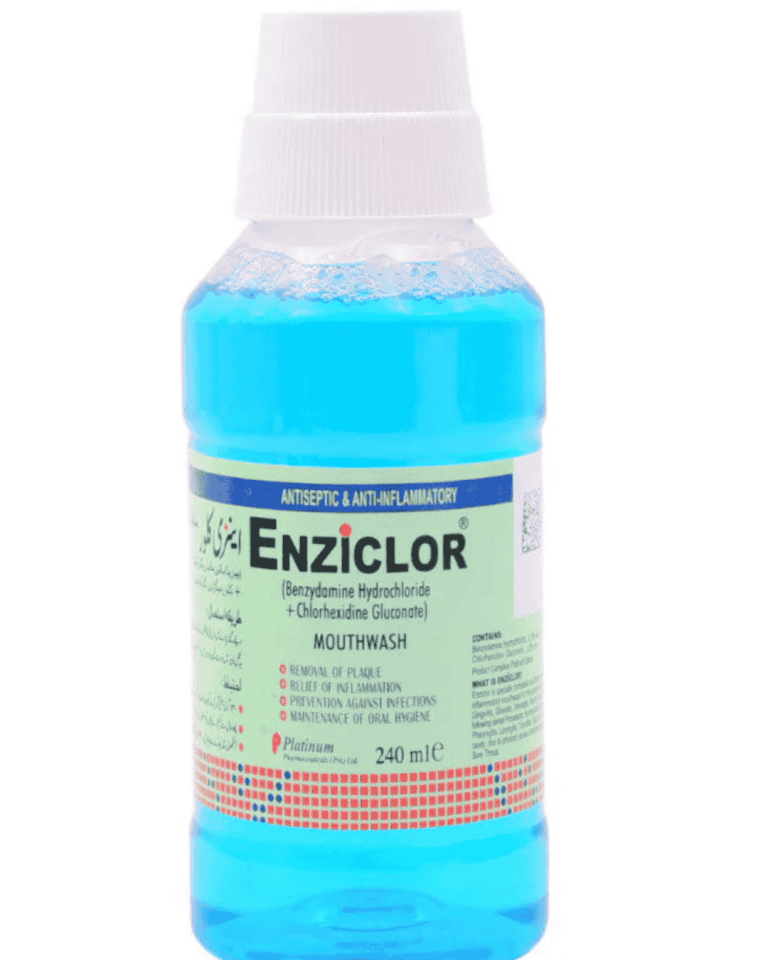
2. Enziclor
Enziclor is an antiseptic oral medication available as both a mouthwash and a gel, commonly used in mouth ulcer treatment and oral hygiene management.
- It reduces harmful bacteria in the mouth
- Helps prevent infection around ulcers
- Supports a healthier environment for faster healing
When you can use Enziclor:
- Recurrent mouth ulcers
- Gum inflammation
- Post-dental procedures
If your mouth feels unclean or ulcers keep coming back, Enziclor helps control bacterial buildup that may worsen mouth sores and the gel allows targeted relief directly on painful ulcers.
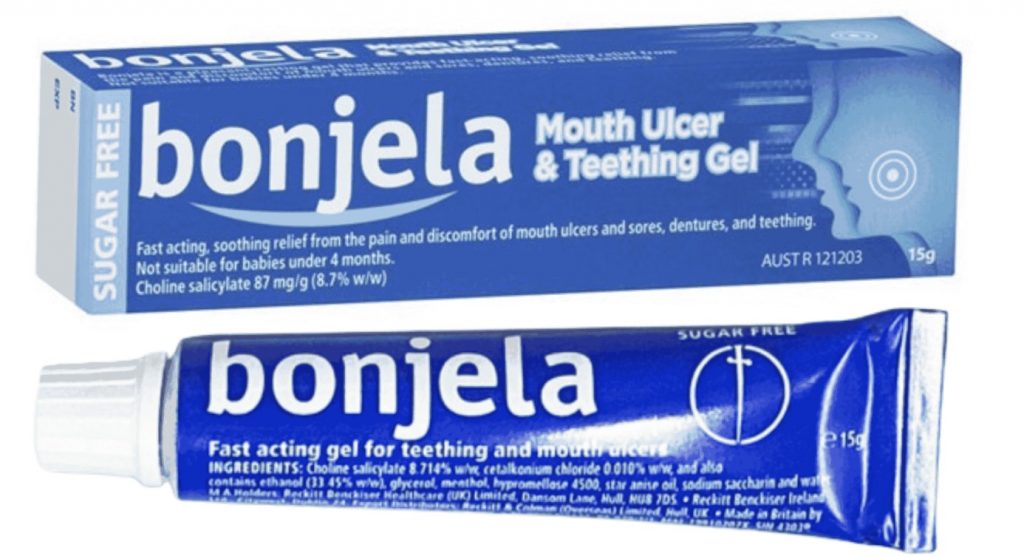
3. Bonjela Gel
Bonjela Gel is a widely used pain-relief gel for mouth ulcers and gum discomfort.
- It provides quick numbing effect
- Reduces inflammation and soreness
- Makes eating and speaking easier
- You can use Bonjela gel if you have painful mouth sores and minor oral irritation
If pain is your main issue, Bonjela is often chosen for fast, short-term relief in mouth ulcer treatment.
Contraindications: Not recommended for patients with peptic ulcers (due to salicylate content). Avoid individuals allergic to salicylates or aspirin. Not suitable for children under 16 years (risk associated with salicylates). Use with caution in pregnant or breastfeeding women—consult a doctor
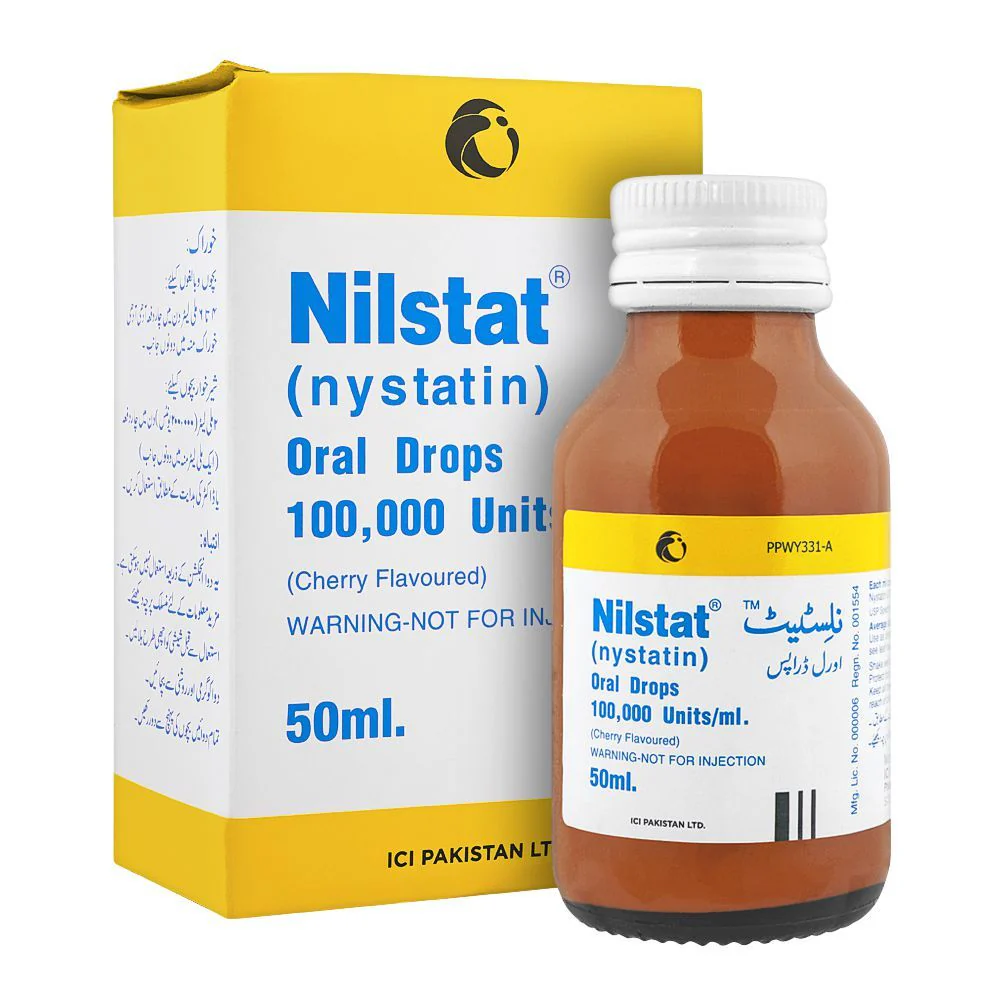
4. Nilstat Drops
Nilstat Drops contain antifungal properties and are used when mouth sores are linked with fungal infections (such as oral thrush).
- It targets fungal overgrowth in the mouth
- Helps restore healthy oral balance
- Reduces associated soreness and burning
- You can use these drops if you have fungal infections in the mouth, white patches with soreness or immunity-related oral infections
If your mouth sores are accompanied by white patches or persistent irritation, Nilstat may be recommended after dental evaluation.
Important:
This is not an over-the-counter (OTC) medication. It should only be used when prescribed by a doctor after confirming a fungal infection diagnosis.
5. Added Alternative: Kenacort Oral Paste
A commonly prescribed and very effective option in mouth ulcer treatment.
- Steroid-based anti-inflammatory paste, only prescribed by a doctor.
- Reduces swelling and pain at the ulcer site
- Speeds up healing significantly
- You can use this paste when you have severe or recurring oral sore, painful inflammatory lesions or aphthous ulcers that don’t heal quickly
If your ulcer is deep, recurring, or very painful, Kenacort is often more effective than basic gels and this is prescribed by a doctor.
What causes Mouth Ulcers
Understanding what causes mouth ulcers is the first step in proper healing. These small lesions usually appear due to a mix of lifestyle, diet, and oral irritation factors. Common causes include:
- Stress and lack of sleep
- Accidentally biting your cheek or tongue
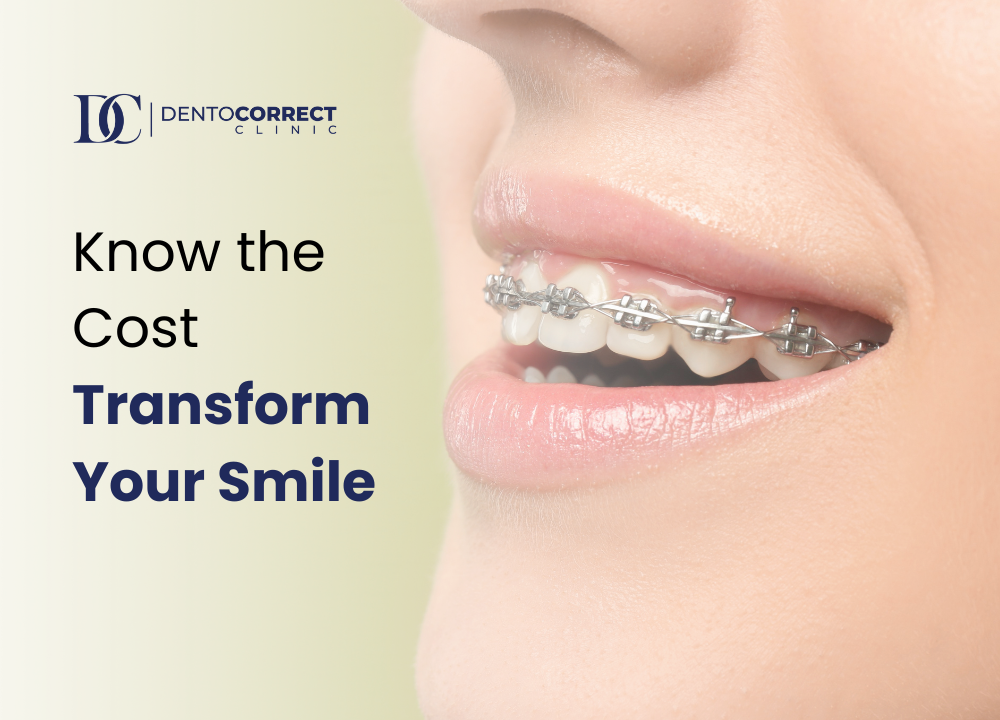
- Sharp teeth edges or braces irritation
- Vitamin B12, iron, or folic acid deficiency and gut issues like malabsorption, gastritis, or IBD can cause recurrent mouth sores. Oral ulcers may also be seen in conditions like herpes (HSV), HIV, and other systemic diseases.
- Spicy, acidic, or hot foods
- Hormonal changes or weakened immunity
Have you ever noticed a painful sore appearing right after a stressful exam week or busy work schedule? That’s your body reacting to stress and lowered immunity. If your ulcers are frequent, simply applying medicine isn’t enough. Your mouth ulcer treatment should also focus on fixing the root cause.
How to Cure Mouth Ulcer
When people search for ways to cure mouth ulcers, they usually want quick relief. While most ulcers heal on their own within 7–10 days, proper care can significantly speed up healing. Here’s what actually helps:
- Rinse with salt water 2–3 times a day
- Avoid spicy, salty, or acidic foods
- Stay hydrated throughout the day
- Avoid touching or irritating the ulcer
Imagine trying to enjoy spicy chips or hot tea, but every bite or sip causes burning pain. Switching to soft foods like yogurt, bananas, or soup can make eating much more comfortable during healing. So, effective Oral ulcer treatment is really about reducing irritation and allowing natural healing.
Quick question: Are you unknowingly making your ulcer worse by continuing your normal food habits?
If your Oral ulcers are very painful, lasting more than a week, or keep coming back frequently, it’s important not to ignore them. At DentoCorrect Clinic, our dental experts can carefully evaluate the underlying cause and provide a personalized mouth ulcer treatment plan designed for faster healing and long-term relief. Get the right diagnosis, the right care, and lasting comfort so you don’t have to keep dealing with recurring mouth sores again and again.
Natural Remedies to Cure Mouth Sores
If you prefer home-based options for how to cure Oral ulcers fast naturally, here are some simple and natural remedies that can help mild cases:
- Honey application or lemon water (soothes and has antibacterial properties)
- Aloe vera gel (reduces inflammation and promotes healing)
- Ice application (temporary pain relief and swelling reduction)
- Turmeric paste (natural anti-inflammatory effect)
Natural remedies alone may not be enough for severe or recurring ulcers. In such cases, combining them with proper mouth sore treatment medicine works best.
Question for Your
Do your mouth sores heal quickly, or do they keep coming back in the same area?
If a mouth sore lasts for more than 2 weeks, it should be checked by a dentist or doctor, as persistent ulcers can sometimes indicate more serious conditions, including oral tumors. It could be:
- Nutritional deficiency
- Stress overload
- Poor oral hygiene habits
- Mechanical irritation from teeth or braces
A complete mouth ulcer treatment approach includes:
- Identifying triggers
- Managing pain
- Supporting healing
- Preventing recurrence
Ignoring recurring ulcers can affect eating, speaking, and even your confidence in daily life.
Prevention tips for long-term relief
Along with oral ulcer treatment, prevention is equally important:
- Maintain a balanced diet rich in vitamins
- Manage stress through sleep and relaxation
- Avoid overly spicy or acidic foods
- Keep good oral hygiene
- Visit a dentist if ulcers are frequent
Some people notice ulcers appear again and again in the same spot. This could be due to a sharp tooth edge or constant irritation that needs dental correction.
Final takeaway: Don’t ignore mouth ulcers
A mouth ulcer may look small, but it can cause major discomfort in daily life. The good news is that most ulcers heal quickly with the right care and Oral ulcer treatments.
From medicated gels to mouth rinses and natural remedies, combining the right methods helps you recover faster and more comfortably.
If you are still struggling with painful mouth sores or frequent ulcers? Don’t ignore the signs. A simple dental checkup at DentoCorrect Clinic can help identify the underlying cause and provide the righttreatment for fast, lasting relief.
Take care of your oral health today. Your comfort depends on it.