What are Dentures?
Missing teeth can influence more than appearance. Everyday functions like chewing food, speaking clearly, and smiling naturally can gradually become difficult when teeth are lost. This may happen due to aging, gum disease, decay, or sudden injury.
Over time, these changes can also affect facial balance and confidence in social situations. This is where dentures come in. They are custom-made dental appliances designed to replace missing teeth and support surrounding oral tissues. Their main purpose is to restore both function and appearance so daily activities feel normal again. Depending on how many teeth are missing, different types are available to suit individual needs.
How Dentures Restore Your Smile
Dentures help rebuild a complete smile by filling gaps left by missing teeth. These empty spaces can affect not only appearance but also how lips and cheeks are supported. When teeth are missing, facial structure slowly changes, which can make the face look less full over time. Beyond appearance, they also help restore facial support and muscle balance.
This prevents the sunken look that often develops after tooth loss and helps maintain a more natural expression. They also improve essential functions such as chewing and speaking. This makes eating more comfortable and communication more confident in daily life.
Types of Dentures
Different types of dentures are available depending on how many teeth are missing and the condition of the remaining oral structures. A dentist usually evaluates gum health, bone support, bite alignment, and comfort needs before recommending a suitable option.
Full Dentures
Full dentures are used when all natural teeth are missing in the upper jaw, lower jaw, or both. They are designed to sit on the gums and restore complete oral function. This option is usually recommended when remaining teeth can no longer be saved due to long-term decay, gum disease, or severe damage. This type is often considered when chewing becomes difficult on both sides or when very few natural teeth remain functional.
Partial Dentures
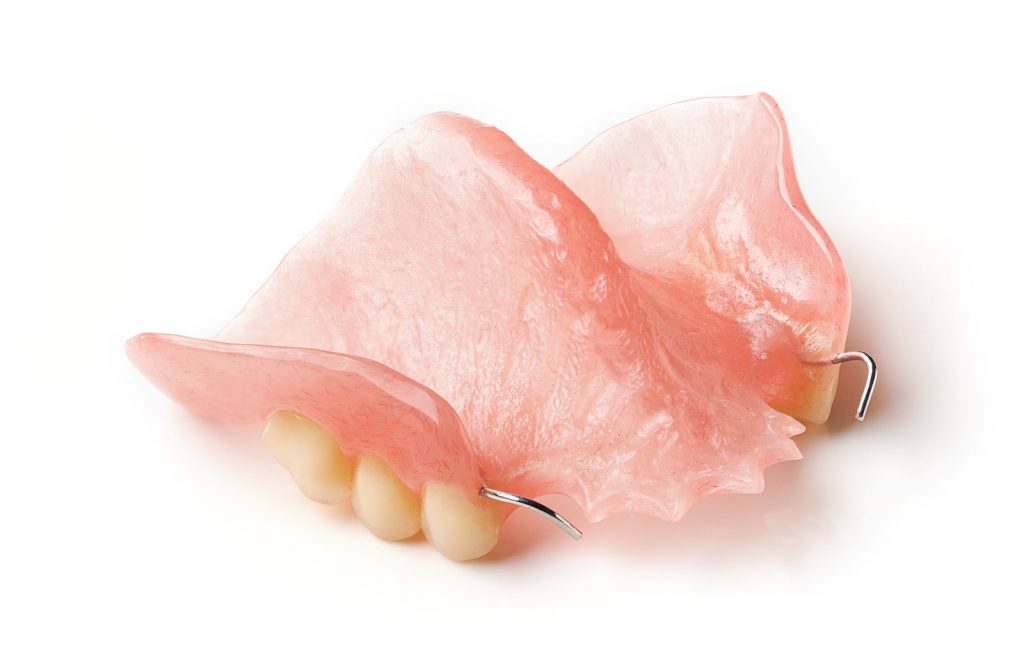
Partial dentures are used when some healthy natural teeth are still present. They fill empty spaces while working alongside existing teeth for better support and balance. They also help prevent nearby teeth from shifting into gaps, which can lead to bite problems and cleaning difficulties over time.
Flexible Dentures
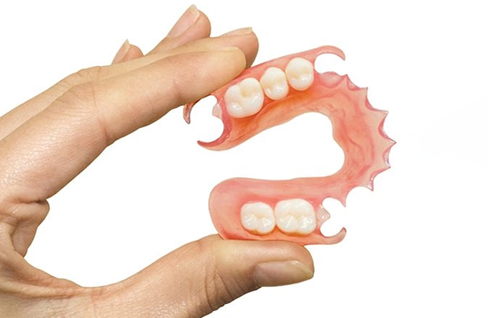
Flexible dentures are made from softer, bendable materials that adjust more closely to gum shape. This provides a gentler and often more comfortable fit, especially during the adjustment phase. They are commonly recommended for individuals who find traditional rigid options uncomfortable or difficult to adapt to.
Choosing the right denture option depends on oral condition, comfort level, and long-term dental needs. A proper evaluation ensures the most suitable solution is selected. Book your consultation with DentoCorrect Clinic for personalized guidance and treatment planning.
How to Clean Dentures Properly
Proper cleaning is essential for maintaining hygiene, comfort, and long-term durability. Just like natural teeth, removable dental appliances can accumulate food particles, plaque, and bacteria throughout the day. If not cleaned properly, this buildup can lead to bad odor, staining, and gum irritation, and may also affect overall oral health. A consistent daily routine helps keep the appliance fresh, safe to use, and in good condition for longer periods.
- Rinse after meals to remove debris and loose food particles that can stick to the surface
- Brush gently with a soft denture brush to avoid scratching the material while cleaning all surfaces properly
- Use non-abrasive cleaning solutions designed specifically for dental appliances to prevent damage
- Soak overnight when recommended to help remove deep stains and maintain cleanliness
Avoid using hot water as it can distort the shape and affect the fit over time, leading to discomfort and improper alignment. If you are interested in knowing what is the difference between the teeth cleaning and whitening Click Here.
Why Keep Dentures In Water?
Removable dental appliances should not be left dry for extended periods because the materials used are designed to stay moist. When exposed to air for too long, they may lose their shape, become brittle, or develop small cracks that affect fit and comfort. Keeping them properly stored when not in use helps maintain their structure and extends their lifespan.
- Maintain proper fit by preventing shrinkage or distortion of the material
- Prevent cracking or warping caused by dryness and temperature changes
- Preserve material stability to ensure long-term durability and comfortable use
If a cleaning solution is recommended by a dentist, it should be used as directed to ensure both hygiene and material safety.
How to Use Denture Adhesive Properly
When a dental professional recommends adhesive, it is usually to provide additional stability and confidence during speaking or eating. However, it should be used in moderation and never as a replacement for a properly fitting denture. Overuse can lead to buildup, discomfort, and hygiene concerns, especially if not cleaned thoroughly. Correct application helps improve retention without affecting comfort or oral health.
- Clean and dry the denture before application to ensure proper bonding and prevent slipping during use.
- Apply small amounts only in thin strips or dots, as excessive use can create overflow and messiness.
- Place the denture correctly in the mouth and press gently to ensure even distribution and secure positioning.
- Bite gently to secure the fit and allow the adhesive to set properly for better stability.
Important Disclaimer: Denture adhesive should not be used without the advice of a dental professional. Improper or excessive use may lead to irritation, ulceration, burning sensations, and discomfort of the oral tissues. If you find yourself relying on adhesive frequently, it may indicate changes in the gums or underlying bone structure, and a dental evaluation is recommended.
Overuse can also cause residue buildup, difficulty cleaning, and reduced comfort over time.
When Dentures Need Replacement
Even well-made dentures are not permanent. Over time, natural changes in the gums and jawbone structure can affect how they fit and function. As bone and soft tissue gradually change shape, the appliance may begin to feel loose or uncomfortable, even if it once fits perfectly. Regular monitoring helps ensure continued comfort, function, and oral health.
Signs that adjustment or replacement may be needed include:
- Difficulty chewing certain foods or reduced biting efficiency due to poor fit
- Loose fit that causes movement while speaking or eating
- Gum irritation from repeated pressure in specific areas
- Clicking sounds while talking or chewing
- Frequent sore spots that do not improve with minor adjustments
Routine dental checkups are important to detect these changes early and prevent further discomfort. If you are experiencing ongoing fit issues or discomfort, professional evaluation can help restore proper function and comfort. Book your appointment today with DentoCorrect Clinic for expert consultation and personalized care.
Common Denture Questions Answered
Many patients have concerns before getting dentures, especially regarding comfort, eating habits, and daily use. Understanding how they work helps set realistic expectations and improves confidence.
Are Dentures Comfortable?
Comfort depends on fit, gum condition, and adjustment time. Some mild pressure or irritation is normal in the beginning as the mouth adapts to the new appliance.nMost people adjust within a few weeks as the tissues and muscles get used to it.
Can You Eat With Dentures?
Yes, eating is possible, but it requires a short adjustment period. The mouth and jaw muscles need time to adapt to new chewing patterns. Soft foods and smaller bites are usually recommended at first until comfort improves.
Can You Sleep With Dentures?
Dental professionals usually recommend removing them while sleeping. This allows gum tissues to rest and reduces pressure buildup. It also supports better hygiene by lowering the risk of bacterial accumulation and irritation.
This blog is for general informational purposes only and is not a substitute for professional dental advice, diagnosis, or treatment. Individual cases may vary, and suitability of treatment depends on a proper clinical examination. Always consult a qualified dental professional for personalized guidance regarding your oral health and treatment options.