Wisdom Tooth Extraction
It often starts as a dull ache at the back of the mouth. At first, it seems harmless. Then chewing becomes uncomfortable, your gums begin to swell, and even opening your mouth can feel difficult. If this sounds familiar, your wisdom teeth could be the reason.
Wisdom teeth are the last set of molars to emerge, usually between the ages of 18 and 25. While some people have enough space for these teeth to grow normally, many do not. When wisdom teeth become impacted, infected, or misaligned, they can lead to pain, swelling, crowding, and other dental complications.
Fortunately, wisdom tooth extraction is a safe and common procedure that helps prevent these issues and protects your long-term oral health. In this guide, we’ll explain everything you need to know about wisdom tooth extraction, including when removal is necessary, what happens during the procedure, how long recovery takes, and the best aftercare tips for a smooth healing process.
How to Know If You Need a Wisdom Tooth Extraction?
Not all wisdom teeth require removal. However, your dentist may recommend extraction if the teeth are causing symptoms or increasing the risk of future complications.
Common signs include:
- Pain at the back of the mouth
- Swollen or tender gums
- Repeated infections around the wisdom tooth
- Jaw discomfort or stiffness
- Difficulty cleaning the area
- Food getting trapped behind the last molar
- Damage to nearby teeth
- Teeth crowding or shifting
In some cases, wisdom teeth cause no obvious symptoms. That’s why routine dental examinations and X-rays are important. Problems can develop beneath the surface long before you notice discomfort.
Have you experienced recurring pain or swelling near your back molars? If so, it’s worth having your wisdom teeth evaluated.
How to Prepare for Wisdom Tooth Removal
Preparation begins with a consultation and examination. Your dentist will review your oral health, discuss your symptoms, and take digital X-rays to determine the position of your wisdom teeth.
Depending on the complexity of the extraction, your treatment plan may include:
- Local anesthesia
- Sedation dentistry
- Surgical extraction for impacted teeth
You’ll also receive instructions regarding eating, drinking, medications, and transportation if sedation is being used. Being properly prepared helps make the procedure smoother and more comfortable.
What Happens During Wisdom Tooth Extraction?
The process generally includes:
- Examination and Anesthesia: The treatment area is numbed using local anesthesia. For more complex procedures, sedation options may be offered.
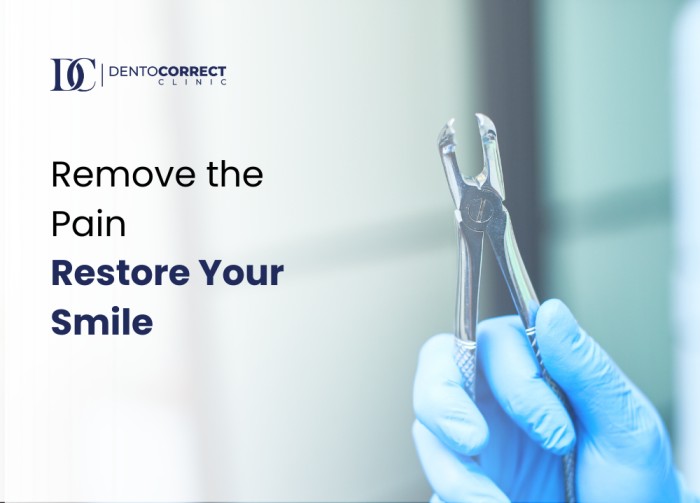
- Tooth Removal: If the tooth has fully erupted, it may be removed similarly to a standard tooth extraction. Impacted wisdom teeth may require a small incision in the gum to access the tooth.
- Cleaning and Closure: After removal, the site is cleaned carefully. In some cases, dissolvable stitches are placed to support healing.
What Happens After Wisdom Teeth Removal?
Once the extraction is complete, your body immediately begins the healing process. A protective blood clot forms within the extraction socket. This clot is essential because it protects the area and supports tissue repair.
During the first few days, you may experience:
- Mild bleeding
- Swelling
- Jaw soreness
- Tenderness around the extraction site
- Temporary difficulty chewing
These symptoms are a normal part of healing and generally improve steadily over time.
Dos and Don'ts After Wisdom Tooth Extraction
Proper wisdom tooth extraction aftercare is one of the most important factors influencing recovery.
Benefits of Removing Wisdom Teeth
When wisdom teeth are causing problems, removing them can do much more than simply relieve discomfort. Extraction often helps protect your overall oral health and prevents future complications that may require more extensive treatment.
Relief From Pain and Pressure
One of the most immediate benefits of wisdom tooth extraction is relief from pain. Impacted or partially erupted wisdom teeth can create pressure against surrounding teeth and tissues, leading to persistent discomfort, headaches, jaw pain, and tenderness. Removing the problematic tooth eliminates the source of irritation and helps restore comfort.
Reduced Risk of Infection
Partially erupted wisdom teeth are difficult to clean properly because bacteria and food particles can easily become trapped beneath the gum tissue. Over time, this can lead to infections, swelling, bad breath, and gum disease. Extraction reduces the risk of recurring infections and helps maintain healthier gums.
Protection of Nearby Teeth
Impacted wisdom teeth can push against neighboring molars, potentially causing damage to tooth roots, enamel wear, and even decay in adjacent teeth. Removing the wisdom tooth helps preserve the health and stability of surrounding teeth.
Prevention of Crowding
Although wisdom teeth do not always cause teeth to shift, they can contribute to crowding in some individuals, especially when there is limited space in the jaw. Early removal may help reduce pressure on existing teeth and support the results of previous orthodontic treatment.
Prevention of Future Dental Problems
In some cases, impacted wisdom teeth can lead to cysts, bone damage, gum infections, or other complications. Removing them before these issues develop can help avoid more complex and costly treatments later. If your wisdom teeth are causing symptoms or have a high risk of creating future problems, extraction can improve comfort, protect neighboring teeth, and support long-term oral health.
Worst Day of Pain After Wisdom Tooth Extraction
Many people assume discomfort will be highest immediately after surgery. In reality, the worst day of pain after wisdom tooth extraction is often day two or three. This is usually when swelling reaches its maximum level. After this period, symptoms generally begin improving steadily. If pain becomes severe or suddenly worsens after initially improving, contact your dentist for evaluation.
Most Common Concerns Patients have Regarding Wisdom Tooth
Does wisdom tooth extraction hurt?
The procedure itself is typically painless because the area is thoroughly numbed before treatment begins. Patients may feel pressure during the extraction, but they should not experience significant pain.
How Long Does a Wisdom Tooth Extraction Take?
The procedure length depends on the position of the tooth and the complexity of the case. Simple extractions may take approximately 20 to 30 minutes, while impacted wisdom teeth can require 45 minutes to an hour or more.
How Long Does It Bleed After Wisdom Tooth Extraction?
A small amount of bleeding or pink saliva is normal during the first few hours after surgery. For most patients: Active bleeding decreases significantly within 24 hours. Minor oozing may continue intermittently during the first day.
What to Eat After Wisdom Teeth Removal
You can start eating within a few hours after treatment. Choosing the right foods can help reduce irritation and support recovery. Good options include:
- Yogurt
- Applesauce
- Smooth soups
- Mashed potatoes
- Scrambled eggs
- Oatmeal
- Soft pasta
- Protein smoothies without a straw
Avoid foods that are hard, crunchy, spicy, or likely to become lodged in the extraction site.
Final Thoughts
Wisdom tooth extraction is one of the most frequently performed dental procedures, yet it’s also one of the treatments patients worry about most. The reality is that modern techniques, advanced imaging, and proper aftercare have made wisdom tooth removal safer and more comfortable than ever before.
If you’re experiencing pain, swelling, difficulty chewing, or recurring infections around your wisdom teeth, don’t wait for symptoms to worsen. An early assessment can help identify problems before they affect neighboring teeth, your bite, or your overall oral health. The sooner you understand what’s happening, the easier it is to make informed decisions about your treatment. Book Your Consultation Today!If you’re experiencing wisdom tooth pain or would like a professional evaluation, our team at DentoCorrect is here to help.
Disclaimer
This article is intended for informational and educational purposes only. It should not replace professional dental advice, diagnosis, or treatment. Always consult a qualified dental professional regarding concerns about wisdom teeth, tooth extraction, or any oral health condition.