What is Bone Grafting?
You finally decide to replace a missing tooth with a dental implant. You book your consultation, feel ready to move forward, and then hear something unexpected: “You may need bone grafting first.” For many patients, this immediately raises concern. Does this mean something is wrong? Will treatment take longer? Is it painful? If you have been wondering what bone grafting is, you are not alone.
Many people are surprised to learn that not every jawbone is automatically ready for implants. In some cases, the bone has become too weak or thin to properly support treatment. This is where a dental bone graft becomes important. Bone grafting is a common and well-established procedure that helps create a stronger foundation for long-term treatment success.
Why Does Jawbone Loss Happen?
Bone loss in the jaw is more common than many people realize. The most common reasons include:
- Missing teeth for a long time
- Gum disease
- Tooth extraction without replacement
- Infection or trauma
- Osteoporosis, diabetes patients have weaker bones, so implants can’t be placed on them without bone graft.
When a tooth is lost, the jawbone underneath no longer receives regular stimulation from chewing. As a result, the bone begins to shrink gradually.
A very common example: A patient loses a back tooth and delays replacement for a few years because it is “not visible anyway.” Later, when they finally want a dental implant, the scan shows insufficient bone. This is often when bone graft teeth preparation is recommended before implant placement.
How Bone Grafting Prepares Your Jaw for Treatment
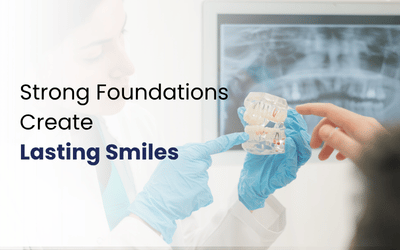
Bone grafting is a procedure used to rebuild or strengthen areas of the jaw where bone has been lost. In simple terms, it adds volume to areas that no longer have enough bone to support a tooth replacement, especially a dental implant.
Think of it this way: before building on weak ground, you first reinforce the foundation. So, in bone grafting bone graft is a material placed into the bone deficient area of your jaw. Over time, your body naturally heals around it and starts forming stronger bones through a process called bone regeneration.
Even if you have been told you do not currently have enough bone for implants, treatment may still be possible after grafting. If you are facing issue regarding your treatment. Contact DentoCorrect Clinic to get pain free treatment.
Bone Graft for Dental Implants
A dental implant is placed directly into the jawbone and functions like an artificial tooth root. For an implant to stay secure, it needs a healthy surrounding bone.
Without enough bone support:
- Implant stability is reduced
- Healing can become less predictable
- Long-term success may be compromised
This is why dentists often recommend bone grafting for dental implants. A dental bone graft can help:
- Rebuild lost jawbone
- Improve implant support
- Increase treatment predictability
- Restore function and facial structure
In many cases, bone grafting is what makes implants possible in the first place.
What to Expect from Bone Grafting for Dental Implants
If you have never had oral surgery before, the idea of bone grafting can sound overwhelming. But the actual process is often simpler than patients imagine. During the procedure
Your dentist or oral surgeon will:
- Numb the treatment area for comfort
- Place graft material where bone support is lacking
- Secure the site for healing
The procedure is planned carefully based on your scan and treatment goals.
Depending on the case, grafting may happen:
- Before implant placement
- During tooth extraction
- Sometimes, alongside implant surgery
Every case is different. That is why a proper assessment matters.
Healing after a Bone Graft
Healing is a gradual process because the goal is not just placing material, it is allowing your body to form stronger bones. During healing, your body begins integrating with the graft material and building natural support. This is the essence of bone regeneration.
Healing time depends on:
- Amount of bone loss
- Treatment area
- Individual’s healing response
Some patients may heal within a few months, while larger grafts can take longer. Patience here usually leads to better long-term outcomes.
Myths Regarding Bone Grafts
Myths regarding bone grafts are common. Many patients assume bone grafting is unsafe or “unnatural,” or that it is only required in extreme cases. In reality, modern bone graft materials are biocompatible and safely integrate with the body’s natural bone, making the procedure a reliable and routine part of implant dentistry.
Does Bone Grafting Hurt?
This is one of the first questions most patients ask. The short answer: usually less than expected. Since the area is numbed during treatment, you should not feel pain during the procedure itself. Afterwards, mild symptoms are common, such as:
- Swelling
- Tenderness
- Minor soreness
Most patients describe recovery as discomfort rather than severe pain. It is typically manageable with medication and proper aftercare. Want to know about how to relieve pain from dental implant. Click Here
Is Bone Grafting Always Necessary?
No. Not every implant patient requires a bone graft. If your jawbone is already healthy and sufficient, implant placement may proceed without additional preparation. However, if bone loss is present, skipping recommended grafting just to speed things up can create avoidable complications later. A stronger foundation generally leads to a more predictable result. This is why treatment planning should be based on scans not assumptions.
How Successful Is Bone Grafting?
Bone grafting is considered a highly predictable procedure when performed under proper clinical conditions. Success is influenced by:
- Good oral hygiene
- Healthy gums
- Controlled infection
- Following recovery instructions
- Avoiding smoking during healing
For most patients, bone grafting is not a complication. It is simply a preparatory step that improves treatment success.
Final Takeaway
Hearing that you need a bone graft before your implant can initially feel discouraging. But in reality, it is often what allows treatment to move forward safely and successfully. Instead of seeing it as a delay, think of it as strengthening the foundation before placing something meant to last for years. That extra preparation matters. A stable implant starts with a stable bone.
At DentoCorrect Clinic, we carefully evaluate your jawbone using modern digital scans and personalized treatment planning. Whether you are missing one tooth or considering full implant treatment, understanding your bone health is the first step. Schedule your consultation today and find out whether bone grafting is part of your treatment plan.
Disclaimer
This blog is intended for educational purposes only and should not replace professional dental advice, diagnosis, or treatment. Treatment recommendations vary depending on individual oral health conditions. Please consult a qualified dental professional for personalized evaluation.