What is Root Canal Treatment?
Have you ever felt a sharp toothache while drinking something cold or chewing your favorite meal? Maybe the pain starts small, but over time it becomes impossible to ignore. Many people think a painful tooth simply needs extraction. But in many cases, there is a way to save your natural tooth and get relief at the same time.
That is where Root Canal Treatment comes in. If your dentist has recommended this procedure, you may be wondering: what is root canal treatment, and do you really need it? Let’s break it down in simple words.
When Do You Need a Root Canal?
Not every toothache means you need treatment. However, there are common warning signs:
- Persistent toothache
- Sensitivity to hot or cold that lingers
- Swollen gums near one tooth
- Pain while chewing
- Tooth discoloration
- Small pimple-like swelling on gums
Imagine biting into food and suddenly feeling a shooting pain on one side. You ignore it for weeks, hoping it disappears. Instead, the pain gets worse. This is often how infections progress. If you notice these symptoms, it may be time to ask your dentist about root canal treatment and whether it is right for you.
Understanding the Root Canal Procedure
Many patients feel anxious simply because they do not know what happens during treatment. But once you understand the root canal procedure, it becomes much less intimidating. Here is what usually happens during treatment:
1. Examination and X-rays
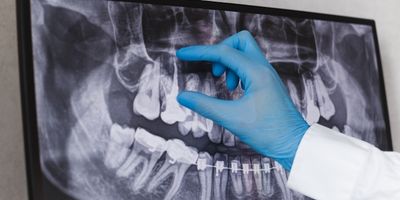
Your dentist begins by examining the affected tooth and discussing your symptoms, such as sensitivity, swelling, or discomfort while chewing. Dental X-rays are then taken to assess the depth of infection, identify inflammation around the tooth roots, and confirm whether the nerve tissue is damaged. This step helps create a precise treatment plan before starting the root canal procedure.
2. Local Anesthesia
Before treatment begins, local anesthesia is administered to numb the area completely. This ensures you stay comfortable throughout the appointment. Many patients are surprised to learn that the experience is often similar to having a routine filling rather than a major dental procedure. If there is anxiety, your dentist may also discuss additional comfort options.
3. Cleaning the Tooth
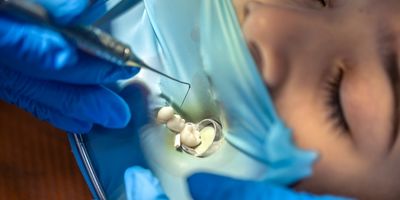
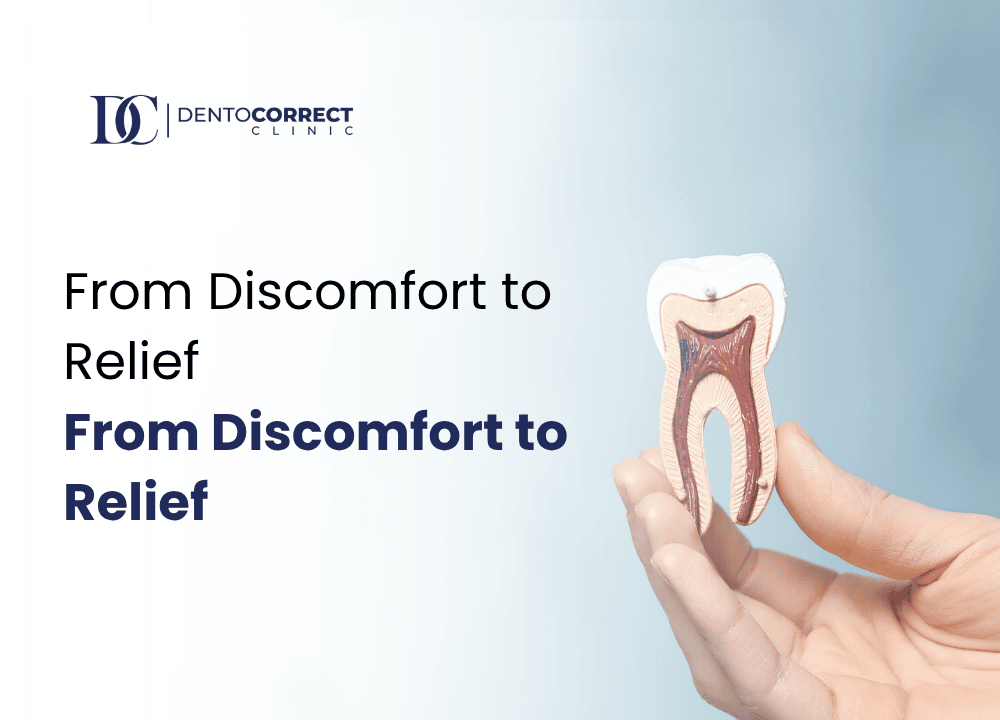
Once the tooth is numb, a small opening is made on the surface of the tooth to access the infected pulp. Using specialized dental instruments, the dentist carefully removes infected tissue, bacteria, and damaged nerves from inside the canals. The inner chambers are then shaped and thoroughly disinfected to eliminate bacteria. This cleaning stage is the core of the root canal procedure, as it removes the source of infection.
4. Filling and Sealing
After cleaning, the empty canals are filled with a biocompatible material designed to support the tooth internally. The tooth is then sealed to block bacteria from re-entering and causing reinfection. Proper sealing is essential for long-term treatment success.
5. Crown Placement
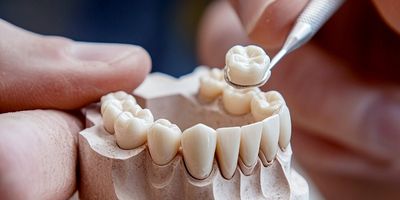
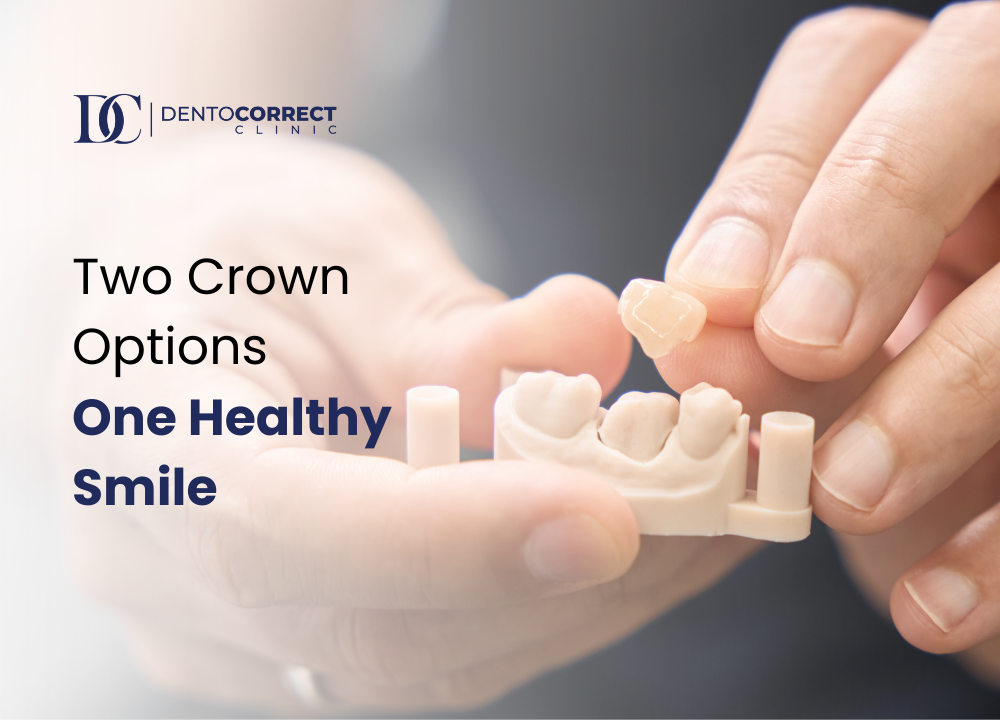
In many cases, the treated tooth becomes weaker because of previous decay or structural damage. Crown placement is not part of the root canal treatment itself; it is a separate procedure. After RCT, it is generally recommended to get a crown within 6 months to ensure long-term protection and stability.
If you have ongoing tooth pain, swelling, or sensitivity, delaying care can worsen the condition. At DentoCorrect Clinic, experienced dental professionals assess whether root canal treatment is needed and guide you through every step comfortably. Early diagnosis can make treatment simpler. Book an evaluation before the problem progresses.
Is Root Canal Painful?
Let’s address the biggest fear: root canal pain. Most people assume the treatment itself is painful. Actually, an untreated infection is often much more painful than the procedure. Modern dentistry has made Root Canal Treatment far more comfortable than people expect.
During treatment, local anesthesia minimizes discomfort. Afterward, mild soreness is normal for a few days, but this is manageable with medication recommended by your dentist. So when people talk about root canal pain, they are often referring to the infection before treatment, not the treatment itself.
Common Myths About RCT
Let’s clear up some misconceptions about RCT
- Myth 1: Root canals are painful
Modern procedures are designed for patient comfort. - Myth 2: Extraction is always better
Saving your natural tooth is usually preferred when possible. - Myth 3: Treatment takes many visits
Some root canal treatments can be completed efficiently depending on the case. A treated tooth is cleaned, sealed, and preserved to function normally. In this case, some treatments can be completed efficiently.
How to Avoid Root Canal?
If you are wondering how to avoid root canal, the answer usually comes down to prevention and early dental care. Regular brushing, flossing, routine dental checkups, and treating cavities before they become severe can significantly reduce the risk of deep infection. Avoid ignoring tooth sensitivity, prolonged pain, or swelling, as these signs may indicate a developing problem. Addressing dental issues early is often the simplest way to protect your teeth and lower the chances of needing major treatment later.
Why This Treatment Matters
Why not just remove the tooth? Extraction may seem easier, but losing a tooth can create other issues:
- Shifting of nearby teeth
- Difficulty chewing
- Jawbone changes over time
- Need for replacement options like implants or bridges
A properly done root canal treatment allows you to keep your natural tooth structure. This is one of the biggest advantages of RCT. Saving your tooth is often simpler and more cost-effective long term. You must need to know about the extraction vs root canal to understand which treatment suits you.
Final Thoughts
Ignoring tooth pain rarely makes it disappear. In most cases, waiting only allows infection to spread and discomfort to increase. Now that you understand what root canal treatment is, you can make informed decisions about your oral health. A root canal treatment is not something to fear, it is often the step that saves your tooth, relieves discomfort, and restores normal function.
If you are experiencing symptoms or have been advised to get treatment, consider a professional dental evaluation. At DentoCorrect Clinic, our dentists focuses on patient comfort, clear communication, and personalized care. Book your consultation today and protect your smile before a small issue becomes a bigger one.
Disclaimer
This blog is intended for educational purposes only and does not replace professional dental advice, diagnosis, or treatment. Always consult a qualified dentist for personalized recommendations regarding your oral health.