Straighten Your
Teeth
Choose Your Way

Straight your teeth with clear aligner and braces.

Clear Aligners vs Braces

If you’re an adult considering orthodontic treatment, the decision between clear aligners vs braces can be overwhelming. Both options are effective in straightening teeth, but they come with distinct benefits and drawbacks. Whether you’re looking for a more subtle appearance or faster results, it’s crucial to understand how each method works before making your choice.

What Are Braces?

Traditional braces have been the go-to solution for teeth straightening for decades. They consist of metal brackets attached to the teeth, connected by wires that gradually apply pressure to move the teeth into the desired position. Metal braces are usually the most affordable option for orthodontic treatment and have been proven to be effective for a wide range of dental issues, from simple alignment problems to complex bite issues.

What Are Clear Aligners?

Clear aligners are a more modern approach to orthodontics. These are custom-made, transparent plastic trays that gradually shift your teeth into proper alignment. Unlike traditional braces, clear aligners are removable, which gives you more flexibility and comfort during the treatment process.

Aligners vs Braces Breakdown

When it comes to choosing between clear aligners vs braces, it’s essential to consider your lifestyle, preferences and the severity of your dental issues.

1. Appearance

  • For many adults, the most important factor is the aesthetic aspect of orthodontic treatment. If you don’t want to draw attention to your teeth-straightening process, clear aligners are a better option. Clear braces are much less noticeable than metal braces and blend in with your natural teeth. This makes them ideal for adults who want to maintain a professional image while undergoing treatment.

  • On the other hand, if you don’t mind the visibility of braces or if your treatment requires metal braces for more complex alignment issues, then traditional braces may be the right choice for you.

2. Comfort

  • In terms of comfort, clear aligners typically win out. Since they are made from smooth plastic, they don’t have any wires or brackets to irritate your gums or the inside of your lips. The main discomfort with clear aligners comes from the pressure used to shift your teeth, but it’s generally less intense than with braces.

  • Braces, especially metal braces, can sometimes cause discomfort after adjustments or when they rub against the inside of the mouth. However, many people get used to them over time.

3. Treatment Time

  • The treatment time for both braces and clear aligners varies based on the severity of the dental issues. Generally, clear aligners take about 12-18 months to straighten teeth, but more complex cases may require longer treatment.

  • Braces may take a similar amount of time, or sometimes longer, depending on the complexity of the case. However, some people may experience quicker results with braces for more severe alignment problems.

4. Maintenance and Care

  • Clear aligners are removable, which means you can brush and floss your teeth normally. Additionally, you can remove them while eating, so there are no dietary restrictions. However, you’ll need to clean your teeth aligners regularly to avoid any buildup or stains.
  • In contrast, braces are fixed and require careful cleaning around the brackets and wires. You’ll need to avoid certain foods and be diligent with your brushing and flossing to prevent plaque buildup and other dental issues.

5. Cost

  • The cost of clear aligners tends to be higher than that of traditional braces, largely due to the customization and technology involved in making the aligners. Braces, particularly metal braces, are typically more affordable, making them a popular choice for patients on a budget.

  • That being said, the long-term benefits of clear aligners—including better oral hygiene and fewer food restrictions—may justify the higher cost for some adults.


Which Option is Right for You?

Ultimately, the decision between clear aligners vs braces depends on your specific needs and goals. If you have a more complex dental issue or are looking for a more affordable option, braces may be the best solution. However, if you prefer a discreet, comfortable and convenient treatment method, clear aligners might be a better choice.

Conclusion

Ultimately, the decision between clear aligners vs braces depends on your specific needs and goals. If you have a more complex dental issue or are looking for a more affordable option, braces may be the best solution. However, if you prefer a discreet, comfortable and convenient treatment method, clear aligners might be a better choice.

DentoCorrect Dentist in Lahore and Across Pakistan

At DentoCorrect, we provide the best orthodontic care in cities like Lahore, Islamabad, Karachi, Faisalabad, and Rawalpindi. Our experienced team of dentists offers personalized consultations and treatment plans for both braces and clear aligners, ensuring that you get the best results for your smile.

We’re dedicated to providing high-quality, patient-centered care to help you achieve the smile you’ve always wanted. Visit us today for a consultation and let us guide you through the process of choosing the right treatment for your needs.

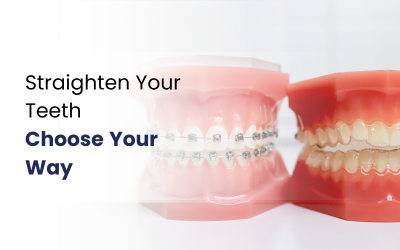
Table of Contents

Introduction

Written by

Dr. Waheen Haider

Project Director, DentoCorrect Clinic

Related Articles

Wisdom Tooth Pain

Wisdom Tooth Pain

Blog Does Scaling Damage Teeth Battling Wisdom Tooth Pain From Discomfort to…

Bleeding Gums Causes And Treatment

Bleeding Gums Causes And Treatment

Understand the root causes of bleeding gums and discover easy ways to…

Top Mouth Ulcer Medicine

Top Mouth Ulcer Medicine

Suffering from painful mouth sores? Learn about the top mouth ulcer treatment,…

Wisdom Tooth Pain

Wisdom Tooth Pain

Blog Does Scaling Damage Teeth Battling Wisdom Tooth Pain From Discomfort to Relief Wisdom Tooth Pain: Causes, Symptoms, and Effective Treatments Wisdom teeth often emerge without noticeable symptoms, yet they can quickly lead to significant discomfort. A dull ache at the back of the jaw or sudden swelling near the molars are common early signs that should not be overlooked. These late-erupting teeth frequently lack sufficient space to grow properly, which can result in pain, inflammation, and other dental complications for many individuals. But what exactly causes this discomfort? And more importantly, how can it be treated effectively? What Are Wisdom Teeth? Wisdom teeth are the third set of molars that typically emerge between the ages of 17 and 25. While some people experience no issues at all, others may develop complications due to lack of space, improper alignment, or partial eruption. Have you ever wondered why these teeth cause more problems than others? The answer lies in evolution. Our jaws have become smaller over time, leaving less room for these extra molars. Common Causes of Discomfort 1. Impaction One of the most frequent causes is impaction, where the tooth is unable to fully emerge through the gum. It may grow sideways, remain trapped, or only partially erupt. A university student begins to notice pressure and pain during exam week. Initially dismissed as stress, the discomfort worsens only to find out later that an impacted molar was the cause. 2. Infection and Inflammation Partially erupted teeth can create a flap of gum tissue that traps food and bacteria. This leads to infection, swelling, and difficulty opening the mouth. Do your gums feel tender or swollen at the back of your mouth? This is the sign that your wisdom tooth is cause of this swelling and pain. 3. Crowding When there isn’t enough space in the jaw, these back molars can push against adjacent teeth as they try to erupt. This pressure may lead to shifting, misalignment, and discomfort that gradually worsens over time. In patients who have previously completed orthodontic treatment, this can be particularly frustrating, as it may compromise the stability of their results. A young professional who had braces a few years ago starts noticing slight overlap in the front teeth again. Upon examination, the underlying cause turns out to be pressure from erupting wisdom teeth at the back. Have you noticed subtle changes in your tooth alignment or increased tightness between teeth? This is sign of crowding and causes the wisdom tooth pain. 4. Tooth Decay or Gum Disease Due to their position at the very back of the mouth, these molars are harder to reach and clean effectively. Food particles and plaque tend to accumulate easily, increasing the risk of cavities and gum infections. Over time, this can lead to decay not only in the wisdom tooth but also in the neighboring molar. Gum disease in this area may begin as mild inflammation but can progress to more serious conditions if left untreated, including persistent infection and tissue damage. A patient maintains a good oral hygiene routine but continues to experience discomfort. A dental check-up reveals decay in a partially erupted molar that was difficult to clean properly, along with early-stage gum infection. Recognizing the Pain Symptoms Understanding wisdom tooth pain symptoms early can help prevent complications. Look out for: Persistent ache at the back of the mouth Swollen or bleeding gums Jaw stiffness or difficulty opening the mouth Bad breath or unpleasant taste Headaches or ear pain Do you feel pain while chewing on one side? That could be an early warning sign. When Should You Seek Help? Not all discomfort requires immediate intervention, but certain signs should not be ignored: Severe or worsening pain, often as a dull jaw ache that radiates to the temples, along with headaches and ear pain. Fever or swelling spreading to the face Difficulty swallowing or breathing If you notice these, it’s important to consult a dental professional promptly. Effective Treatment Options 1. At-Home Relief Measures For mild discomfort, temporary relief can be achieved through: Warm saltwater rinses Over-the-counter pain relievers Cold compress to reduce swelling However, these are short-term solutions and do not address the root cause. 2. Professional Care For mild discomfort, temporary relief can be achieved through: Warm saltwater rinses Over-the-counter pain relievers Cold compress to reduce swelling However, these are short-term solutions and do not address the root cause. Wisdom Tooth Extraction When the tooth is impacted, infected, or causing damage, wisdom tooth extraction is often the most effective solution. A young professional delays treatment due to a busy schedule. Over time, the pain becomes severe, affecting sleep and productivity. At DentoCorrect Clinics, early evaluation can prevent this progression, saving you from unnecessary discomfort and complex procedures. After extraction, not only does the pain resolve, but overall oral health improves significantly, restoring comfort and daily performance. At DentoCorrect Clinic, we provide precise diagnosis and personalized care to address the root cause of your discomfort. Book your consultation today and take the first step toward lasting relief. What to Expect During Extraction: The procedure is typically straightforward and performed under local anesthesia. In more complex cases, sedation may be used. After removal, you may experience mild swelling and discomfort for 1-2 weeks. Following post-operative instructions like avoiding hard foods and maintaining oral hygiene ensures smooth recovery. Preventing Future Problems While you can’t always prevent issues, early monitoring makes a significant difference especially since wisdom teeth typically erupt between the ages of 17 and 21, when early signs of pain or complications can first appear. Schedule regular dental check-ups Maintain good oral hygiene Address minor symptoms before they escalate When was your last dental check-up? If you’ve been noticing wisdom tooth pain or discomfort at the back of your mouth, don’t wait for it to worsen. Early evaluation can prevent complications and reduce the need for more complex procedures. A Balanced Approach to Care Not every case requires immediate removal. In some situations, dentists may recommend

What is Teeth Crowding

What is Teeth Crowding

Learn what is teeth crowding and how it affects your bite, hygiene, and overall oral health. Explore solutions including orthodontics and extractions.

Get Your Clear Aligners
From DentoCorrect

Our modern techniques, latest digital technologies and expert dentists guarantee remarkable results!

Years of experience

0 +

Happy Patients

0 K+

Book Appointment

Scroll to Top