Bleeding Gums Causes And Treatment
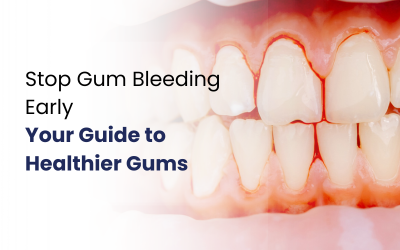
Have you ever noticed a faint trace of blood while brushing and wondered if it is normal? This is commonly associated with bleeding gums, and while it may seem minor at first, it often reflects early gum irritation that should not be ignored.
Many people assume it is due to brushing too hard or using a new toothbrush. But when it keeps happening, it raises an important question, what is your mouth trying to tell you? In most cases, bleeding gums are not sudden. They develop gradually, often starting silently before becoming more noticeable in daily routines.
Bleeding Gums Causes: Understanding the Root Issue
The cause of bleeding gums is plaque accumulation along the gum line. When oral hygiene is inconsistent, bacteria build up and trigger inflammation. Key bleeding gums causes include:
- Poor brushing technique or excessive pressure on gums
- Inadequate flossing leading to trapped food particles
- Plaque and tartar buildup irritating gum tissue
- Nutritional deficiencies affecting gum strength
- Early gum infection or gingival inflammation
Another important point is that the causes of bleeding gums are often interconnected. One habit can slowly lead to another, gradually increasing gum sensitivity over time. If ignored, these factors can progress from mild irritation to more persistent gum concerns.
How It Usually Starts
A young person notices slight gum sensitivity during morning brushing but ignores it due to a busy schedule. A student experiences occasional oral bleeding after irregular flossing habits and assumes it will settle on its own. A parent thinks mild irritation is due to diet changes or toothpaste switch.
These everyday situations highlight how easily early gum problems are dismissed. The issue is not the symptom itself, but the delay in paying attention to it. Have you ever experienced something similar and brushed it off?
What This Means for You: If your gums bleed occasionally during brushing, it usually indicates early inflammation rather than permanent damage. At this stage, the condition is often reversible with proper oral care and timely attention. The key is not to ignore repeated signs or assume they are normal.
Bleeding Gums Treatment
Dental Cleaning (Scaling & Polishing)
Removal of plaque and tartar buildup is the first and most important step. This reduces inflammation and allows the gums to heal naturally. Dental studies show that professional cleaning can significantly reduce gum bleeding within 7–14 days in early cases of gingival inflammation.
Scaling removes hardened deposits that brushing cannot eliminate, especially below the gum line where bacteria tend to accumulate. Polishing further smooths the tooth surface, making it harder for plaque to reattach.
At DentoCorrect Clinic, early assessment and targeted treatment of scaling and polishing helps restore gum health effectively and prevent future complications.
General Care and Daily Management
1. Improved Oral Hygiene Routine
Correct brushing technique (soft brush, gentle strokes) and daily flossing are essential to stop recurrence and support gum healing. This helps reduce plaque buildup and prevents further irritation of the gum tissue. Consistency is more important than intensity when maintaining gum health.
2. Antiseptic Mouth Rinses
Dentists may recommend antibacterial mouthwash to control bacterial growth and reduce gum irritation during early healing stages. It also helps maintain a cleaner oral environment between brushing sessions. A dental professional should guide use for best results.
3. Nutritional Support
A balanced diet rich in Vitamin C and Vitamin K helps strengthen gum tissues and improves the body’s natural healing response. Adequate hydration further supports tissue repair and overall gum health. Limiting sugary foods can also reduce bacterial activity.
4. Treatment of Underlying Cause
If bleeding is linked to gum disease, hormonal changes, or medical conditions, addressing the root cause is necessary for long-term improvement. Identifying and managing these factors ensures more stable and lasting results. Proper diagnosis is key to effective care planning.
5. Regular Dental Follow-Ups
Routine checkups ensure gums are healing properly and help prevent the condition from returning or worsening. They also allow early detection of any new gum issues before they progress. Follow-ups help maintain long-term oral stability and comfort.
How to Prevent Bleeding Gums: Daily Habits
Understanding how to prevent bleeding gums starts with consistency rather than complexity. Small daily habits play a major role in long-term gum health. Simple steps include:
- Brushing twice daily using a soft-bristled toothbrush
- Using gentle circular motions instead of aggressive scrubbing
- Flossing once a day to clean between teeth
- Maintaining a balanced diet rich in vitamins and minerals
- Scheduling regular dental cleanings
These practices form the foundation of how to prevent bleeding gums and help reduce inflammation before it becomes noticeable. Another important aspect of how stop the gums from bleeding is awareness many people brush regularly but not correctly. Technique matters as much as frequency.
Why Early Attention Matters
Gum problems usually develop gradually, which means they are often easier to manage when identified early. If you notice repeated gum bleeding, it is important to take timely action rather than wait for it to progress, as early evaluation helps determine whether it is due to simple irritation or an underlying gum condition.
Final Takeaway
Bleeding gums should not be seen as a minor or temporary issue when they occur repeatedly. They are often an early indicator of gum inflammation that can be managed effectively with timely care.
Knowing how to prevent bleeding gums is not just about treatment, it is about building consistent habits that protect your oral health every day. When needed, Bleeding gums treatments can restore gum comfort and prevent further progression.
If you are experiencing ongoing gum sensitivity or bleeding, consider scheduling a professional evaluation at DentoCorrect Clinic. Early assessment helps identify the root cause and ensures appropriate care before the condition progresses.