Keep Your Teeth
Clean and Healthy
Scaling For Teeth

Girl search for scaling and polishing near me and get the treatment.

Does Scaling Damage Teeth?

If you have ever felt a slight sensitivity after a dental visit or heard a friend claim that their teeth felt thinner after a professional cleaning, you might be asking yoursel,  Does scaling damage teeth?

It is a common concern. For many, the high-pitched sound of the ultrasonic scaler and the scraping sensation can feel aggressive. In this guide, we will dive into the science behind the scaling of teeth, debunk common myths, and explain why avoiding this treatment is far more damaging than the procedure itself.

What is Scaling of Teeth

To understand if scaling teeth causes damage, we first need to define what it is. Dental scaling is a non-surgical procedure used to remove plaque and tartar (calculus) from the surface of the teeth and beneath the gum line. Even with diligent brushing and flossing, minerals in your saliva mix with food particles to form a hard deposit called tartar. Once tartar forms, it is biologically impossible to remove with a toothbrush, it requires professional intervention. There are two methods of scaling of  treatment:

  • Ultrasonic Scalers: These tools use high-frequency vibrations and a cooling water spray to break up large chunks of tartar.
  • Hand Instruments: Dentists or hygienists use curettes or scalers to manually scrape away remaining deposits with precision.

While the word scraping sounds harsh, these tools are specifically designed to be harder than tartar but softer than your natural tooth enamel when used correctly.

The Big Question: Does Scaling Damage Teeth?

The short answer is, No, professional scaling does not damage your teeth. In fact, the enamel the outermost layer of your teeth is the hardest substance in the human body. The stainless steel or ultrasonic tips used during a scaling treatment are not powerful enough to remove healthy enamel.

Why do people think it causes damage? The damage people report is usually a misunderstanding of three common post-treatment sensations:

1. My teeth feel thinner or have gaps

When tartar builds up between teeth, it acts like fake bone or cement. It fills the natural gaps between your teeth and covers the gum line. When a dentist removes this buildup, you suddenly feel the natural spaces that were always there but were previously clogged with bacteria. This isn’t damage; it’s the restoration of your natural anatomy.

2. My teeth are more sensitive now

Tartar acts as an insulating layer against hot and cold. Once removed, your teeth are temporarily exposed to the elements. This sensitivity usually fades within a few days as the gums begin to heal and reattach.

3. The tools are scratching my enamel

The sound of the scaler can be misleading. While it may sound like it’s scratching, a trained professional uses specific angles to ensure only the calculus is vibrated off, leaving the enamel intact.

What's The Real Danger

If you avoid the scaling of teeth because of fear of damage, you are actually inviting real, permanent damage to your oral health. When tartar is left on the teeth, it creates a sanctuary for bacteria. This leads to:

  • Gingivitis: Red, swollen, and bleeding gums.
  • Periodontitis: The bacteria begin to eat away at the bone supporting your teeth.
  • Tooth Loss: Eventually, the “damage” caused by bacteria becomes so severe that the teeth become loose and fall out.

Scaling and Polishing: Two-Step Boosting

Usually, you will see scaling and polishing listed together. After the scaling removes the hard deposits, polishing uses a motorized small rubber cup and a prophylactic paste to remove surface stains (like those from tea, coffee, or smoking).

If you are looking for scaling and polishing near me, you are essentially looking for a reset button for your oral hygiene. Polishing leaves the tooth surface smooth, making it harder for new plaque to stick.

Your Partner in Oral Health

At DentoCorrect, we believe that a patient centric approach is the only way to practice dentistry. We understand that the fear of damage keeps many people away from the dental chair, and we are here to change that narrative through education and gentle care.

We are proud to serve patients in multiple cities, ensuring that high-quality, evidence-based dental care is never out of reach.

  • Lahore:If you are searching for a dentist Johar Town or the best Johar Town dental clinic, DentoCorrect offers a state of the art facility equipped with the latest diagnostic tools.
  • Islamabad and  Rawalpindi: Serving the twin cities with premium dental services.
  • Karachi: Providing the coastal city with top-tier scaling and restorative treatments.

When you visit DentoCorrect, you aren’t just a number; you are a patient whose health and comfort come first.

Don't Let Myths Dictate Your Health

The idea that scaling of teeth is harmful is one of the most persistent myths in dentistry. The reality is that scaling is a preventative shield. It protects your gums, preserves your bone, and keeps your natural teeth in your mouth for as long as possible.

However, the quality of your experience often depends on the facility you visit. When choosing a dental clinic, it is vital to look for a practice that prioritizes sterilization and uses modern ultrasonic technology to ensure your comfort.

If it’s been more than six months since your last cleaning, it’s time to stop worrying about damage and start focusing on prevention.

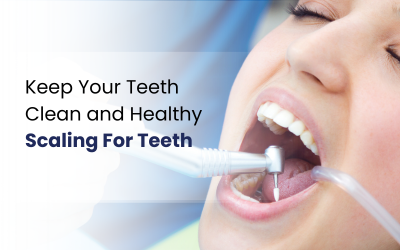
Table of Contents

Introduction

Written by

Dr. Waheen Haider

Project Director, DentoCorrect Clinic

Related Articles

Wisdom Tooth Pain

Wisdom Tooth Pain

Blog Does Scaling Damage Teeth Battling Wisdom Tooth Pain From Discomfort to…

Bleeding Gums Causes And Treatment

Bleeding Gums Causes And Treatment

Understand the root causes of bleeding gums and discover easy ways to…

Choosing the Dental Clinic

Choosing the Dental Clinic

Choosing the dental clinic is key to your oral health. Discover the…

Wisdom Tooth Pain

Wisdom Tooth Pain

Blog Does Scaling Damage Teeth Battling Wisdom Tooth Pain From Discomfort to Relief Wisdom Tooth Pain: Causes, Symptoms, and Effective Treatments Wisdom teeth often emerge without noticeable symptoms, yet they can quickly lead to significant discomfort. A dull ache at the back of the jaw or sudden swelling near the molars are common early signs that should not be overlooked. These late-erupting teeth frequently lack sufficient space to grow properly, which can result in pain, inflammation, and other dental complications for many individuals. But what exactly causes this discomfort? And more importantly, how can it be treated effectively? What Are Wisdom Teeth? Wisdom teeth are the third set of molars that typically emerge between the ages of 17 and 25. While some people experience no issues at all, others may develop complications due to lack of space, improper alignment, or partial eruption. Have you ever wondered why these teeth cause more problems than others? The answer lies in evolution. Our jaws have become smaller over time, leaving less room for these extra molars. Common Causes of Discomfort 1. Impaction One of the most frequent causes is impaction, where the tooth is unable to fully emerge through the gum. It may grow sideways, remain trapped, or only partially erupt. A university student begins to notice pressure and pain during exam week. Initially dismissed as stress, the discomfort worsens only to find out later that an impacted molar was the cause. 2. Infection and Inflammation Partially erupted teeth can create a flap of gum tissue that traps food and bacteria. This leads to infection, swelling, and difficulty opening the mouth. Do your gums feel tender or swollen at the back of your mouth? This is the sign that your wisdom tooth is cause of this swelling and pain. 3. Crowding When there isn’t enough space in the jaw, these back molars can push against adjacent teeth as they try to erupt. This pressure may lead to shifting, misalignment, and discomfort that gradually worsens over time. In patients who have previously completed orthodontic treatment, this can be particularly frustrating, as it may compromise the stability of their results. A young professional who had braces a few years ago starts noticing slight overlap in the front teeth again. Upon examination, the underlying cause turns out to be pressure from erupting wisdom teeth at the back. Have you noticed subtle changes in your tooth alignment or increased tightness between teeth? This is sign of crowding and causes the wisdom tooth pain. 4. Tooth Decay or Gum Disease Due to their position at the very back of the mouth, these molars are harder to reach and clean effectively. Food particles and plaque tend to accumulate easily, increasing the risk of cavities and gum infections. Over time, this can lead to decay not only in the wisdom tooth but also in the neighboring molar. Gum disease in this area may begin as mild inflammation but can progress to more serious conditions if left untreated, including persistent infection and tissue damage. A patient maintains a good oral hygiene routine but continues to experience discomfort. A dental check-up reveals decay in a partially erupted molar that was difficult to clean properly, along with early-stage gum infection. Recognizing the Pain Symptoms Understanding wisdom tooth pain symptoms early can help prevent complications. Look out for: Persistent ache at the back of the mouth Swollen or bleeding gums Jaw stiffness or difficulty opening the mouth Bad breath or unpleasant taste Headaches or ear pain Do you feel pain while chewing on one side? That could be an early warning sign. When Should You Seek Help? Not all discomfort requires immediate intervention, but certain signs should not be ignored: Severe or worsening pain, often as a dull jaw ache that radiates to the temples, along with headaches and ear pain. Fever or swelling spreading to the face Difficulty swallowing or breathing If you notice these, it’s important to consult a dental professional promptly. Effective Treatment Options 1. At-Home Relief Measures For mild discomfort, temporary relief can be achieved through: Warm saltwater rinses Over-the-counter pain relievers Cold compress to reduce swelling However, these are short-term solutions and do not address the root cause. 2. Professional Care For mild discomfort, temporary relief can be achieved through: Warm saltwater rinses Over-the-counter pain relievers Cold compress to reduce swelling However, these are short-term solutions and do not address the root cause. Wisdom Tooth Extraction When the tooth is impacted, infected, or causing damage, wisdom tooth extraction is often the most effective solution. A young professional delays treatment due to a busy schedule. Over time, the pain becomes severe, affecting sleep and productivity. At DentoCorrect Clinics, early evaluation can prevent this progression, saving you from unnecessary discomfort and complex procedures. After extraction, not only does the pain resolve, but overall oral health improves significantly, restoring comfort and daily performance. At DentoCorrect Clinic, we provide precise diagnosis and personalized care to address the root cause of your discomfort. Book your consultation today and take the first step toward lasting relief. What to Expect During Extraction: The procedure is typically straightforward and performed under local anesthesia. In more complex cases, sedation may be used. After removal, you may experience mild swelling and discomfort for 1-2 weeks. Following post-operative instructions like avoiding hard foods and maintaining oral hygiene ensures smooth recovery. Preventing Future Problems While you can’t always prevent issues, early monitoring makes a significant difference especially since wisdom teeth typically erupt between the ages of 17 and 21, when early signs of pain or complications can first appear. Schedule regular dental check-ups Maintain good oral hygiene Address minor symptoms before they escalate When was your last dental check-up? If you’ve been noticing wisdom tooth pain or discomfort at the back of your mouth, don’t wait for it to worsen. Early evaluation can prevent complications and reduce the need for more complex procedures. A Balanced Approach to Care Not every case requires immediate removal. In some situations, dentists may recommend

What is Teeth Crowding

What is Teeth Crowding

Learn what is teeth crowding and how it affects your bite, hygiene, and overall oral health. Explore solutions including orthodontics and extractions.

Get Your Clear Aligners
From DentoCorrect

Our modern techniques, latest digital technologies and expert dentists guarantee remarkable results!

Years of experience

0 +

Happy Patients

0 K+

Book Appointment

Scroll to Top