How to Relieve Pain from a Dental Implant
You had a dental implant recently and were wondering, is this pain normal? You’re not alone. Many patients feel dental implant pain after treatment and immediately worry that something has gone wrong. Mild to moderate discomfort after dental surgery is expected during the healing phase. The key is knowing the difference between normal soreness and a problem that needs attention.
More importantly, understanding the right steps for pain relief after dental implants can make your recovery much easier. Whether you are feeling tenderness while chewing, swelling near the implant area, or general jaw discomfort, there are simple ways to feel better and support healing. Let’s go through what actually helps.
Why Does Pain Occur After a Dental Implant Procedure?
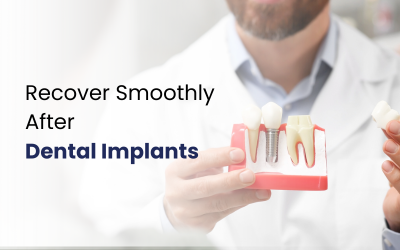
Dental implants are placed into your jawbone through a minor surgical procedure. Since the gums and bone are involved, your body naturally responds with inflammation as healing begins. This can lead to:
- Swelling around the implant site
- Mild bleeding in the first 24 hours
- Tenderness while eating or speaking
- Jaw soreness or stiffness
- Sensitivity in nearby teeth or gums
Think of it like recovering after any minor surgery. Your body is repairing tissue, which can temporarily cause pain. For most people, discomfort is strongest during the first 2–3 days and gradually improves over a week. But what does this mean for you? It means short-term soreness is usually part of the healing process, not a sign of failure.
How to Reduce This Pain
Proper recovery management can significantly reduce pain and help you feel more comfortable.
1. Use Over-the-Counter Painkillers
One of the easiest ways to manage discomfort after a dental implant procedure is to use over-the-counter painkillers as advised by your dentist. These medications help control both pain and inflammation, especially during the first few days after surgery when swelling is usually at its peak. Commonly recommended options include:
- Ibuprofen: Helps reduce swelling and inflammation while managing discomfort.
- Paracetamol: Often recommended for pain relief, especially for patients who cannot take anti-inflammatory medication.
- Combination approach: In some cases, dentists may suggest alternating medications for better comfort, but only under professional guidance.
It is important to take medication on schedule instead of waiting until the pain becomes severe. Staying ahead of discomfort often provides better pain relief after dental implants than trying to manage intense pain later. A few precautions to remember:
- Never exceed the recommended dosage
- Avoid self-medicating without professional advice
- Inform your dentist if you have allergies, stomach issues, or are taking other medications
Using the right medication correctly can make the first few recovery days much more manageable and help reduce pain while your implant site heals.
2. Apply Cold Compresses
Swelling is one of the most common side effects after surgery and can make the treated area feel more tender or uncomfortable. Many patients notice that discomfort feels worse as swelling increases, especially within the first 24 hours. Using a cold compress is a simple and effective way to manage both swelling and dental implant pain during the early healing phase. It helps constrict blood vessels, reduce inflammation, and temporarily numb the area for better comfort. How to do it:
- Wrap ice in a clean cloth or towel
- Apply it gently to the outside of your cheek near the implant area for 15 minutes
- Remove for 15 minutes to allow the skin to rest
- Repeat this cycle during the first 24–48 hours as needed
This is especially helpful on the first day after dental implant surgery, when swelling is typically at its highest. Consistent use can support faster pain relief and make recovery more comfortable.
3. Stick to Soft Foods
One common mistake? Eating hard foods too early. Crunchy or chewy foods can put pressure on the implant area and worsen pain. Patients often say, “I felt fine, then I ate something hard and the area started hurting again.” To support pain relief after dental implants, choose softer meals.
What foods to eat after dental implant surgery:
- Yogurt
- Mashed potatoes
- Scrambled eggs
- Smooth soups
- Oatmeal
- Smoothies (without straws if advised)
- Soft rice
- Pasta
- Bananas
Avoid these foods
- Nuts
- Chips
- Hard bread
- Sticky candy
- Spicy foods
- Very hot beverages
Eating carefully protects the healing area and lowers irritation.
4. Keep the Area Clean
Many patients feel nervous about cleaning near the implant. They think, “What if I touch it and ruin something?” Skipping hygiene is actually the bigger problem. Food debris and bacteria can irritate the site and increase discomfort.
This is especially common when:
- Food gets trapped around the healing cap
- Floss catches near surrounding teeth
- Brushing feels uncomfortable, so cleaning is avoided
Gentle cleaning supports healing. Poor hygiene increases inflammation.
- Use a soft toothbrush
- Avoid aggressive brushing
- Rinse with salt water if advised
- Use prescribed mouthwash if recommended
Keeping the area clean helps minimize pain while protecting your results. If you feel any discomfort you can contact DentoCorrect Clinic for diagnosis.
5. Rest and Avoid Physical Strain
After a dental implant, your body needs time and energy to heal properly. Many patients underestimate how much physical activity can affect recovery. Overexertion increases blood circulation, which can lead to more swelling and make pain feel more intense. Giving your body proper rest in the first few days is one of the simplest yet most effective ways to support healing.
For the first few days:
- Sleep with your head slightly elevated
- Avoid strenuous exercise
- Stay hydrated
- Get proper rest
Slowing down during early recovery helps reduce pressure on the implant area, minimize discomfort, and support smoother healing.
When Is Dental Implant Pain Not Normal?
After a dental implant, some level of discomfort is expected during healing, but it should gradually improve each day. However, some symptoms may indicate a problem rather than normal recovery. Contact your dentist if you notice:
- Severe throbbing pain after several days
- Fever
- Bad taste or pus
- Excessive swelling that worsens
- Implant feeling loose
- Difficulty opening your mouth
These could suggest infection, bite pressure issues, or healing complications.
Normal discomfort improves over time. Concerning pain usually gets worse. It is also important to trust your instincts. If something feels unusual or significantly different from your expected recovery, it should not be ignored. Early evaluation helps ensure proper healing and long-term implant success.
How Long Does Implant Pain Usually Last?
Healing varies by person, but here is a general timeline:
- First 24–48 hours: Most swelling and soreness occur during this period.
- Days 3–5: Discomfort usually starts reducing.
- 1 week: Most patients feel significantly better.
- Several weeks to months: Internal bone healing continues, often without pain.
A little tenderness during healing is common. Persistent pain is not.
Final Thoughts
Recovering from a dental implant does not have to be stressful. Mild soreness after implant surgery is common, manageable, and usually temporary. The right care routine, proper food choices, and simple habits can support faster pain relief while helping you heal comfortably. If your pain feels unusual, persistent, or is affecting your daily life, it is always worth getting evaluated. Waiting too long can turn a small issue into a bigger one.
At DentoCorrect Clinic, our team supports patients through every step of implant recovery, from surgery to aftercare guidance and follow-up assessments. If you have concerns about healing or ongoing dental implant pain, book a consultation for professional advice tailored to your case.
Disclaimer
This blog is for informational purposes only and does not replace professional dental consultation, diagnosis, or treatment. Always follow your dentist’s instructions after implant surgery and seek immediate care if you experience unusual symptoms or severe discomfort.