
Teeth Hurt With Cold Drinks?
That sudden wince when cold water, hot tea, or something sweet hits a tooth is one of the most common dental complaints and one of the most treatable. Tooth sensitivity is usually a sign that the protective outer layer of your teeth has worn thin or your gums have pulled back, leaving the sensitive inner layer exposed.
What Sensitive Teeth Feel Like
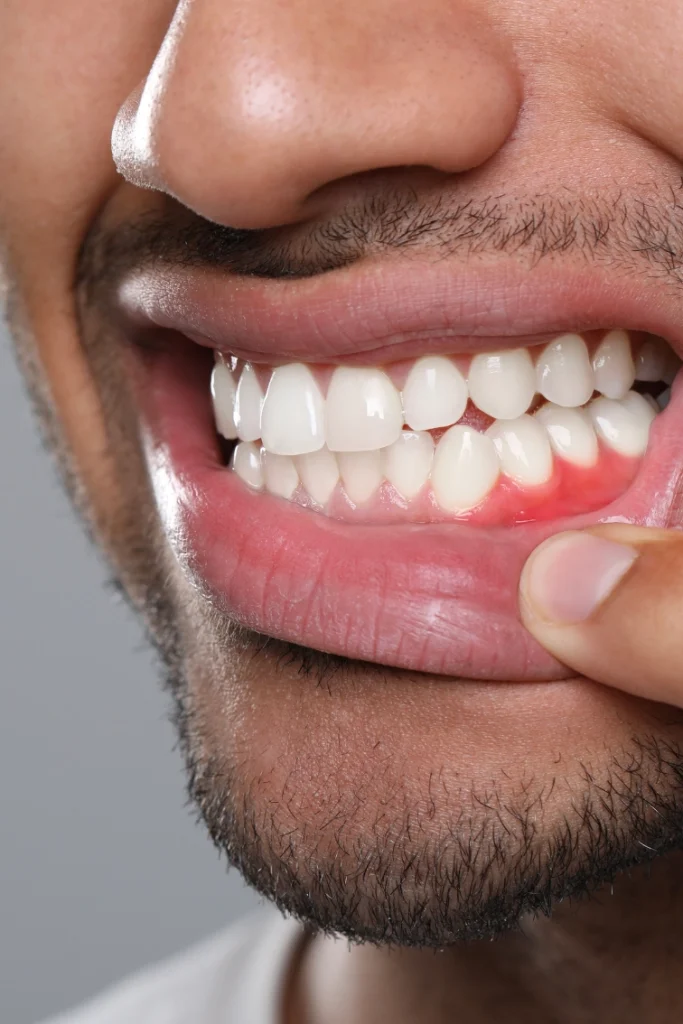
Sensitivity is typically a quick, sharp pain rather than a constant ache. Common triggers include:
- Cold food and drinks — ice water, cold air, ice cream
- Hot drinks like tea and coffee
- Sweet or sour foods
- Brushing or flossing
- Breathing in cold air through your mouth
The pain usually fades within a few seconds once the trigger is gone. If it lingers or throbs, that points to a different problem — more on that below.
What causes sensitive teeth?
Sensitivity almost always comes down to exposed dentin, but several things can lead to it:
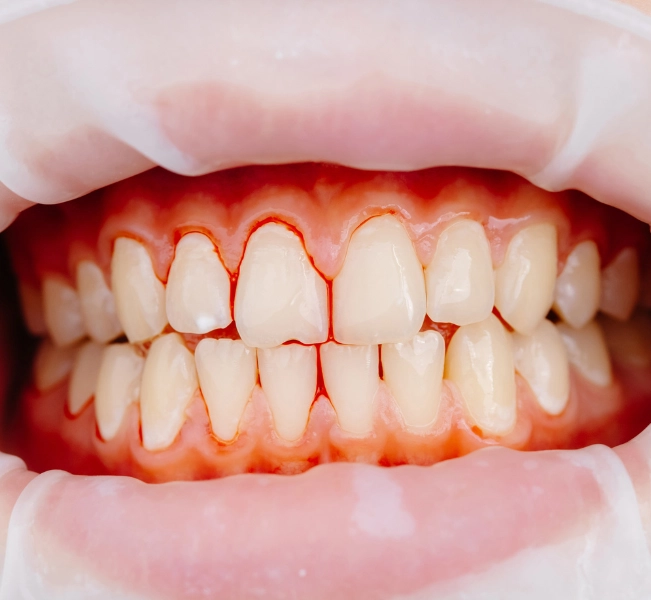
Enamel Erosion From Acid
Gum Recession
Brushing Too Hard
Teeth Grinding (Bruxism)
Tooth Decay, Cracks, or Worn Fillings
After Dental Treatment
Gum Disease
Inflamed or infected gums can expose the roots and lead to lasting sensitivity.
How DentoCorrect treat Your Problem
Because sensitivity has several possible causes, the first step is an examination to find yours. Treatment then targets the cause:
How to prevent sensitive teeth
- Brush twice a day with a soft brush and gentle pressure.
- Use a fluoride toothpaste, and consider a desensitising one if you’re prone to sensitivity.
- Go easy on fizzy drinks, citrus, and frequent sugary tea; rinse with water afterwards.
- Wait before brushing after anything acidic.
- Wear a night guard if you grind your teeth, and treat gum problems early.
Frequently Asked Questions
Sudden sensitivity often follows enamel wear, gum recession, or a recent dental treatment like whitening or a filling. If it's focused on one tooth or comes with lingering pain, it may point to a cavity or crack and should be checked.
Yes, for many people — but it works gradually. Potassium nitrate and stannous fluoride toothpastes usually take around two to four weeks of twice-daily use before you notice a real difference, so give it time.
Generalised sensitivity to cold or sweet foods is usually harmless and manageable. Sensitivity in one tooth, pain that lingers or throbs, or sensitivity with swelling can signal decay, a crack, or infection, and needs a dentist's attention.
Often, yes — especially when there's a treatable cause like a cavity, exposed root, or gum recession. Once the cause is addressed, the sensitivity typically resolves. Everyday enamel-related sensitivity is usually well controlled with the right toothpaste and habits.
Yes. Mild sensitivity after professional whitening is common and almost always temporary, settling within a few days. A desensitising toothpaste and avoiding very cold foods for a day or two helps.
No — that's a common mistake. Hard brushing wears enamel and pushes gums back, making sensitivity worse. Use a soft brush and gentle pressure instead.