
Is Your Mouth Always Dry?
A dry, sticky mouth, constant thirst, or a tongue that seems to catch on the roof of your mouth can be more than an annoyance. When saliva runs low all the time, the condition is called dry mouth, or xerostomia, and it affects roughly one in five people.
Saliva does far more than keep your mouth comfortable. It washes away food, neutralises acid, and protects your teeth from decay. So when it dries up, it isn’t only about discomfort. Your teeth and gums are left exposed. The reassuring part is that dry mouth almost always has a findable cause, and both the symptom and the risks to your teeth can be managed well.
Signs You Have Dry Mouth Issue
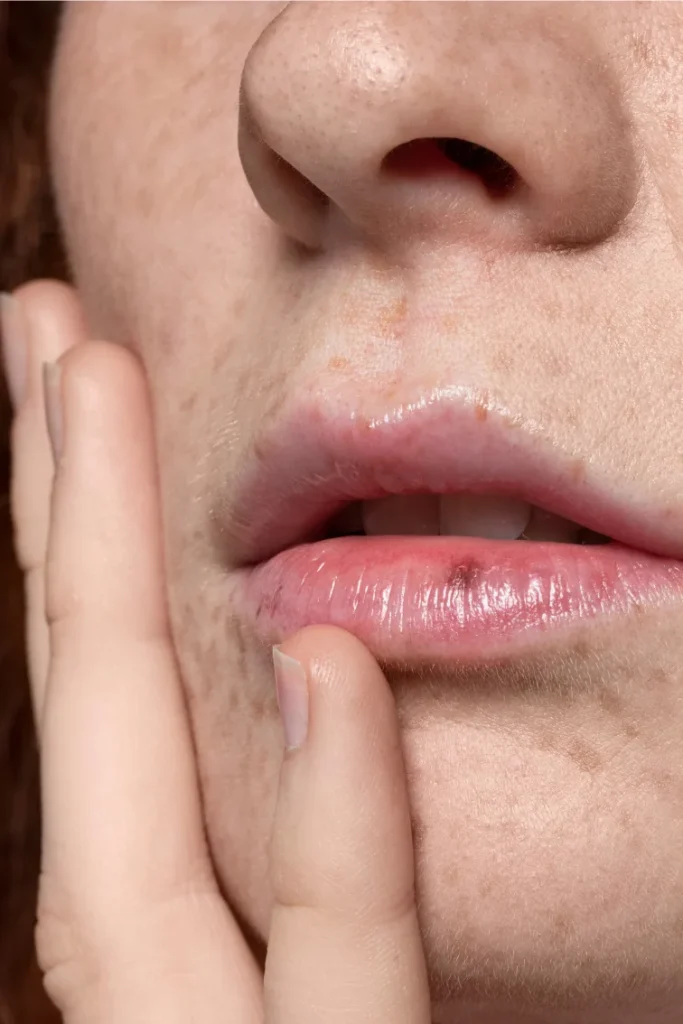
Dry mouth is more than the occasional dryness everyone feels when nervous or thirsty. Persistent signs include:
- A dry, sticky feeling in the mouth, or saliva that feels thick and stringy
- Constant thirst
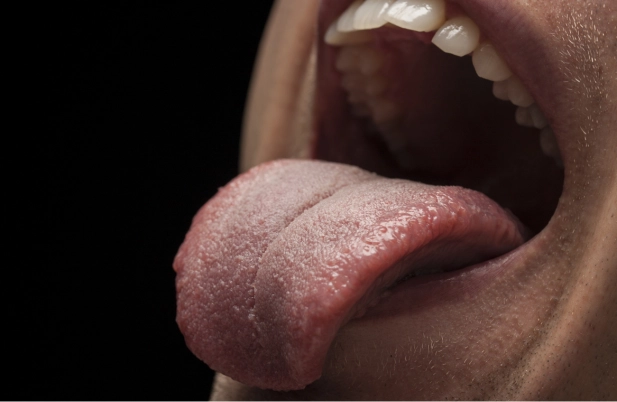
- A dry or grooved tongue, or a burning sensation
- Difficulty chewing, swallowing, or speaking
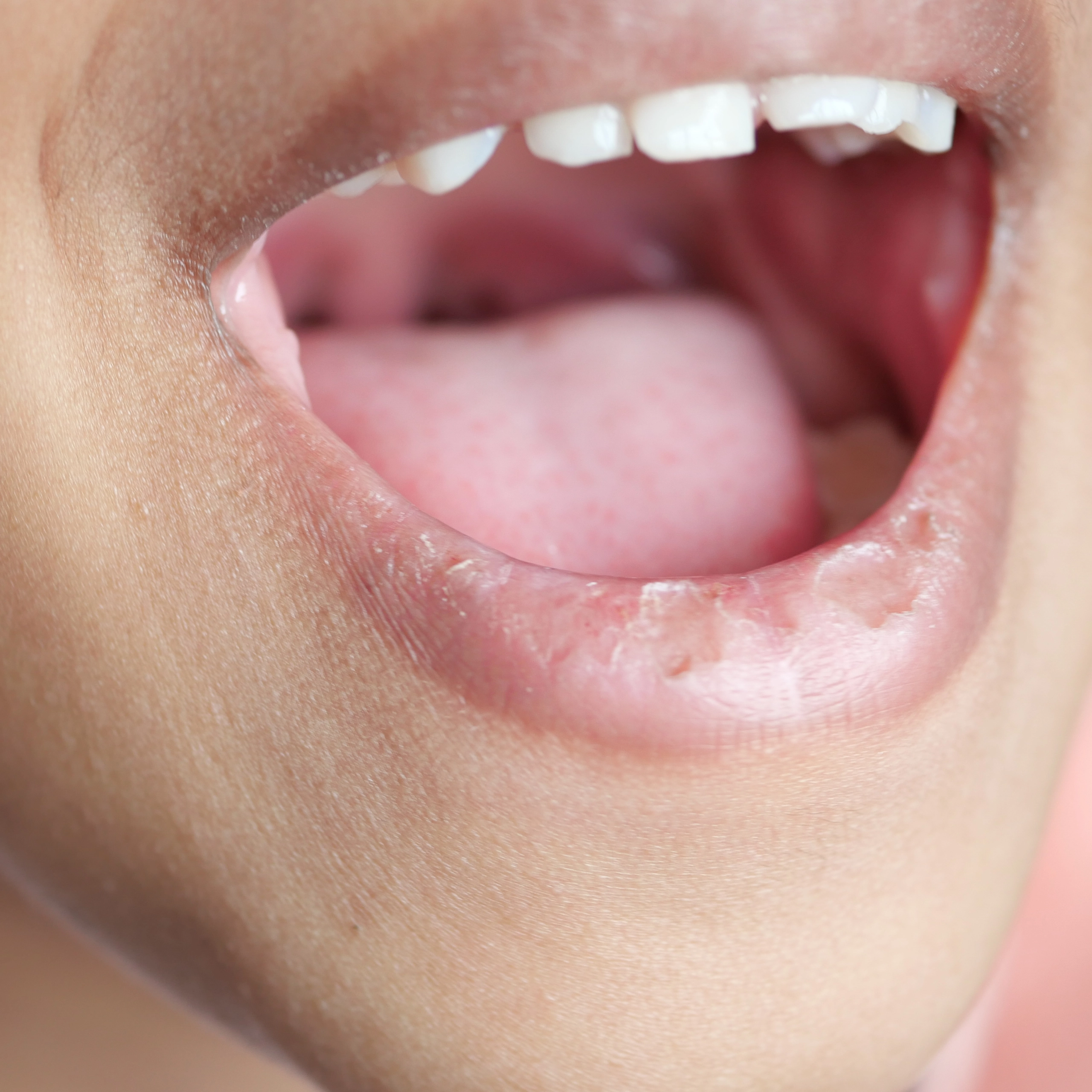
- Cracked lips and sores at the corners of the mouth
- A constant sore throat or hoarseness
- Bad breath that keeps coming back
- A changed sense of taste, or trouble wearing dentures
Symptoms are often worse at night or on waking, because saliva flow naturally drops during sleep.
What causes This?
Dry mouth happens when the salivary glands don’t make enough saliva. The common reasons are:

Medication Side Effects
Dehydration
Mouth breathing and snoring
Smoking, Shisha and Tobacco
Ageing
Medical conditions
Diabetes (particularly when blood sugar is high), and other autoimmune conditions, thyroid problems, and anxiety can all cause it.
See a dentist or doctor if
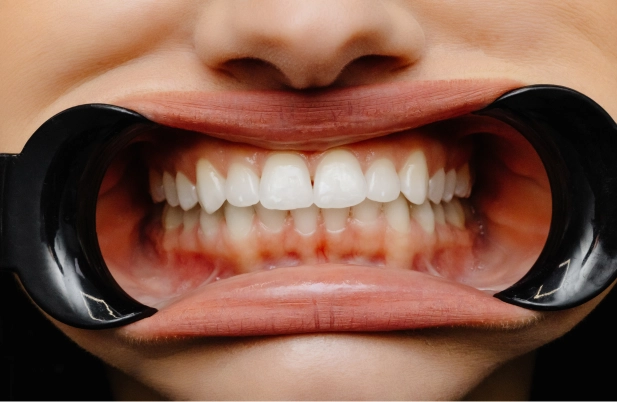
- Your mouth is dry most of the time, not just occasionally
- It started after beginning a new medication — your doctor may be able to adjust it
- You’re getting frequent cavities, sore gums, or repeated mouth infections
- You also have dry eyes, joint pain, or unusual fatigue (which can point to an underlying condition)
- You have trouble swallowing or speaking, or mouth sores that won’t heal
A dentist protects your teeth from the extra decay risk and can help find the cause; where it’s medication or a health condition, they’ll work with your doctor.
How a dentist helps with Dry mouth
Dry mouth care has two goals: relieve the dryness and protect your teeth. After reviewing your symptoms, medications, and medical history, and examining your mouth, your dentist may:
Saliva Products
There are many sprays, gels, lozenges, and rinses designed for dry mouth, and a dentist can point you to ones that suit you.
Decay Protection
High-fluoride toothpaste, in-office fluoride applications, and more frequent check-ups keep the raised decay risk under control.
Saliva-Stimulating Medication
High-fluoride toothpaste, in-office fluoride applications, and more frequent check-ups keep the raised decay risk under control.
How to prevent dry mouth and protect your teeth
- Drink water regularly through the day, and more in hot weather or while fasting.
- Avoid tobacco, paan, gutka, shisha, and alcohol-based mouthwashes.
- Cut back on caffeine and fizzy drinks, which are drying.
- Breathe through your nose, and treat snoring or a blocked nose.
- Use fluoride toothpaste and keep sugar low, since a dry mouth is more prone to decay.
- Keep up six-monthly check-ups so any early decay is caught and treated quickly
Frequently Asked Questions
Saliva flow naturally drops while you sleep, so dry mouth is often worst overnight and on waking — particularly if you breathe through your mouth or snore. Persistent daytime dryness usually points to a medication side effect, dehydration, or an underlying condition worth checking.
Yes — it's the single most common cause. Hundreds of medicines, including many for blood pressure, allergies, depression, anxiety, and pain, list dry mouth as a side effect. If yours began after a new prescription, speak to your doctor, who may be able to adjust the dose or timing. Don't stop a medication on your own.
It can be. Saliva protects teeth by neutralising acid and washing away food, so a persistently dry mouth raises the risk of cavities, gum disease, and bad breath. That's why it's worth seeing a dentist for extra decay protection, not just for comfort.
Sip water, chew sugar-free (xylitol) gum to stimulate saliva, and use a pharmacy saliva spray or gel for longer relief. Avoid tobacco, alcohol-based mouthwashes, and caffeine. These help the symptom — if it's persistent, the underlying cause still needs addressing.
Some dryness is normal during long hours without water, as saliva flow reduces. Stay well hydrated between iftar and suhoor, limit caffeine and salty or very sweet foods, and clean your teeth and tongue well. Dryness that continues outside fasting hours is worth having checked.
See a dentist or doctor if your mouth is dry most of the time, if it began with a new medication, if you're getting frequent cavities or infections, or if it comes with dry eyes, joint pain, or fatigue — which can signal an underlying condition.