
Chipped or Broken a Tooth?
Breaking or chipping a tooth can be alarming one moment you’re biting into something, the next there’s a sharp edge, a missing piece, or a jolt of pain. The reassuring news is that almost every broken or chipped tooth can be repaired, and knowing what to do in the first hour genuinely affects the outcome.
What Causes Teeth to Break or Chip?
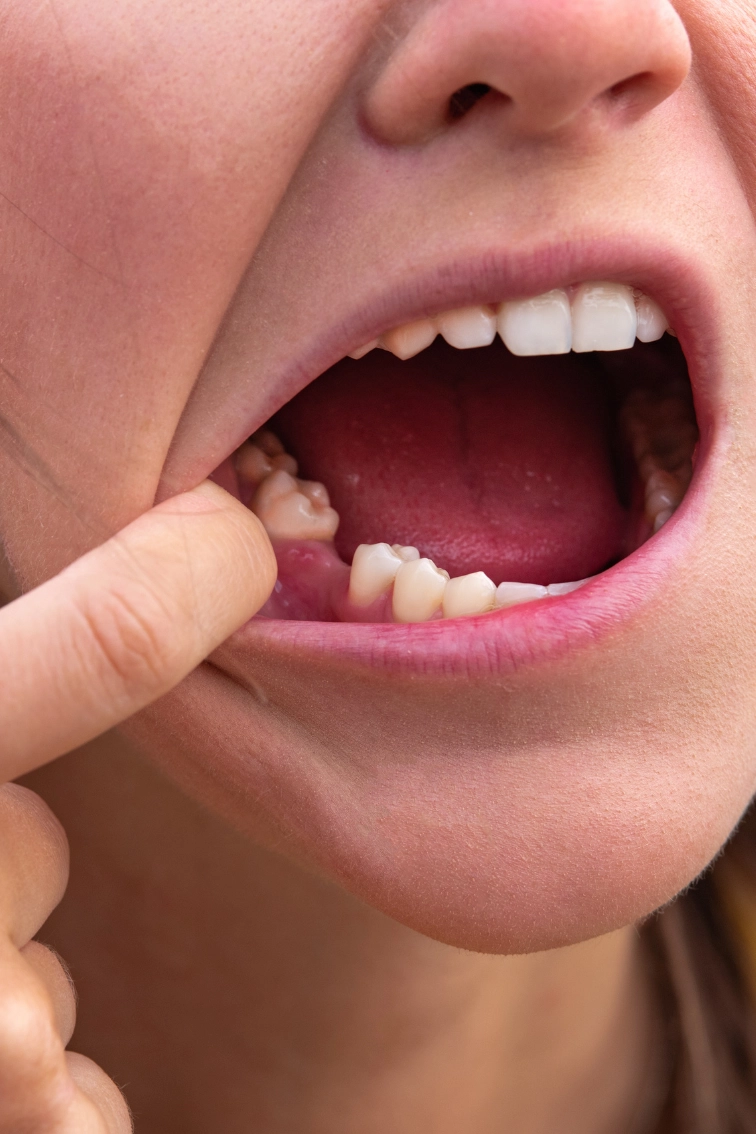
- A knock or injury — falls, sports impacts, or accidents (a mouthguard greatly lowers this risk during sport).
- Biting something hard — ice, nuts, hard sweets, popcorn kernels, or bones.
- Decay — a cavity hollows out the tooth from the inside, so it breaks under normal biting.
- Large or old fillings — these leave less natural tooth, which can fracture around them.
- Teeth grinding (bruxism) — long-term clenching or grinding weakens and cracks teeth over time.
- Weakened enamel — from acid wear or general wear and tear as teeth age.
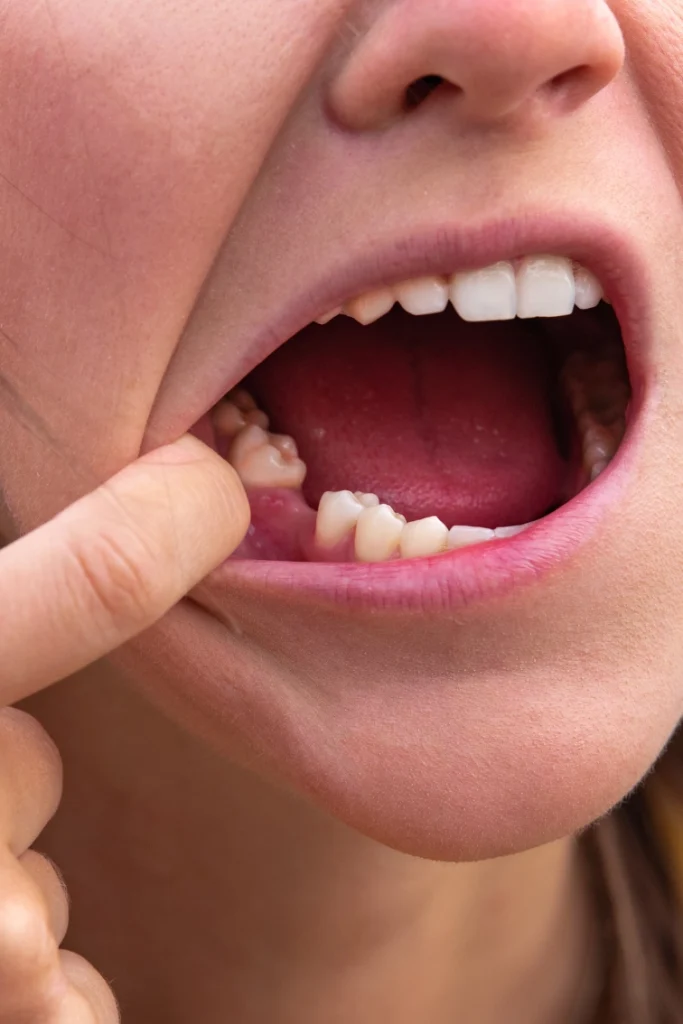
What to do right After
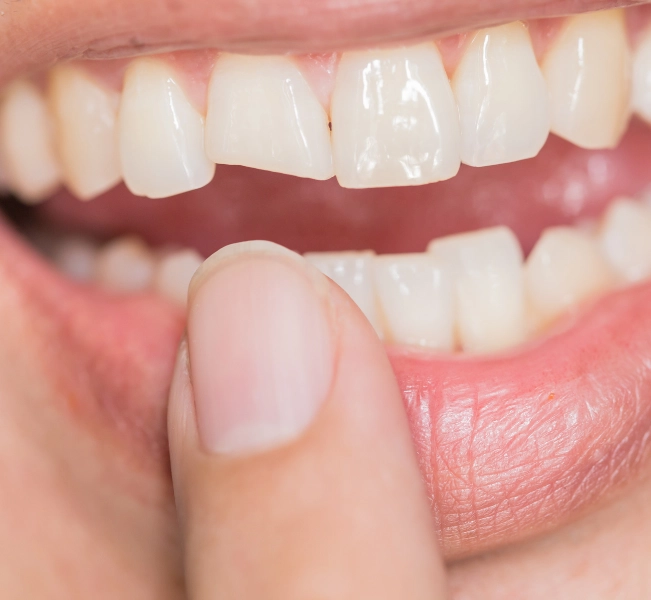
Rinse your mouth
with warm water to clean the area and clear away any fragments.
Stop bleeding
Manage pain
Cover a sharp edge
Save any broken piece
Avoid chewing on that side
and stick to soft foods until the tooth is treated.
When Its an Emergency
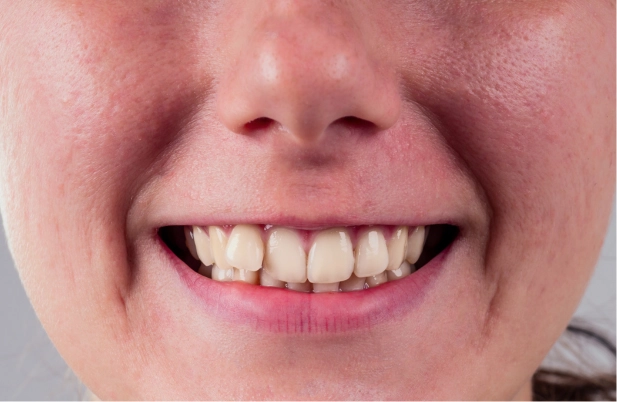
Most chips can wait a day or two for an appointment, but call for same-day care if you have any of these:
- A tooth that has been knocked out or pushed out of position
- A large break with severe or throbbing pain
- Heavy bleeding that won’t stop with gentle pressure
- Swelling of the face or gum, fever, or a bad taste — possible signs of infection
- A sharp fragment cutting your tongue or cheek badly
When you’re unsure, it’s always safer to phone the clinic and describe what happened — we can tell you whether to come in immediately.
What Treatment Are Advised
Composite Filling
A common fix for small chips, restoring the tooth’s natural appearance.
Dental Crown
Covers and protects severely broken or weakened teeth, restoring strength.
Root Canal + Dental Crown
Treats nerve damage, then protects the weakened tooth with a crown.
Extraction
Removes unsalvageable teeth, with implants or bridges replacing missing teeth.
Frequently Asked Questions
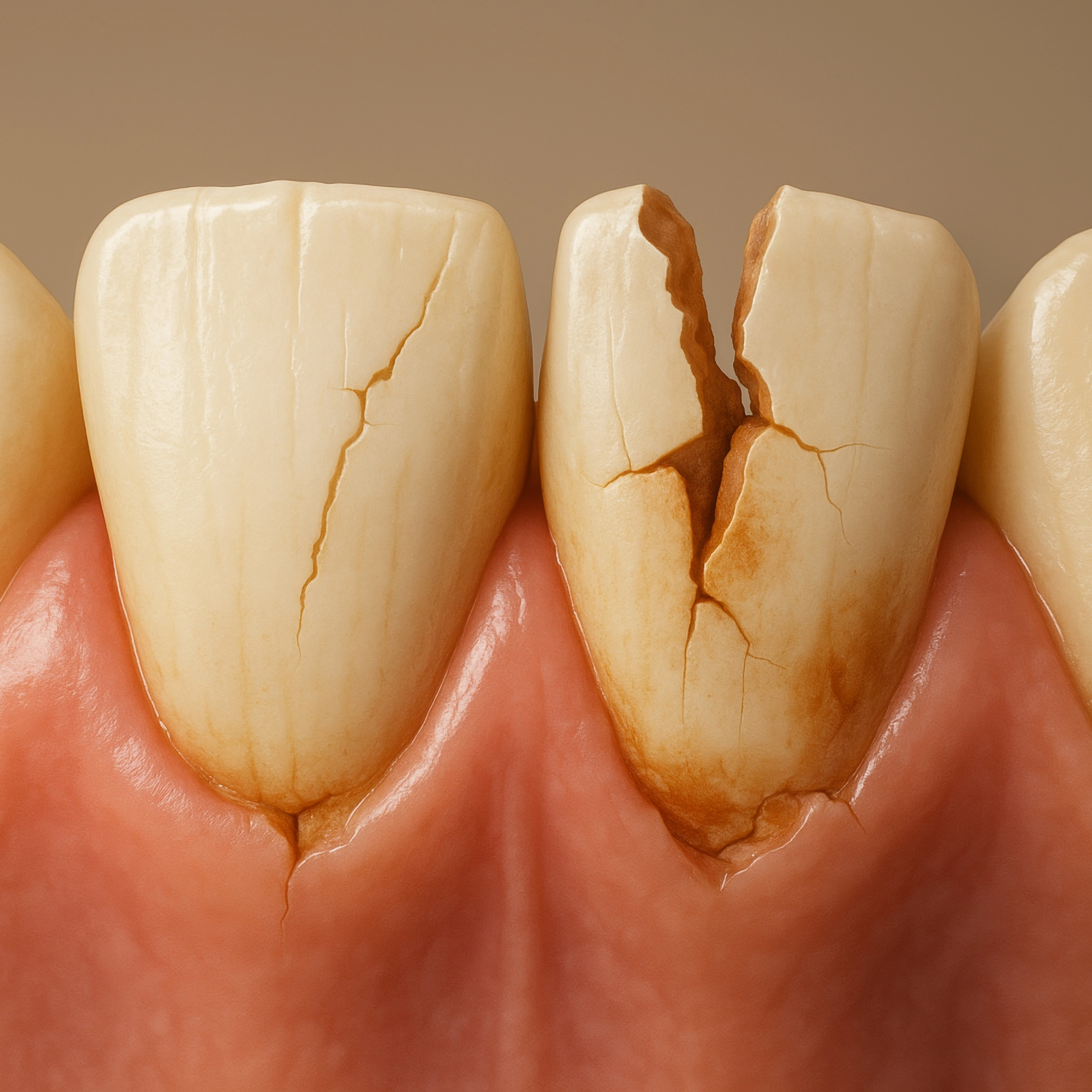
A small chip usually isn't an emergency and can wait a day or two for an appointment. But a large break with severe pain, bleeding, a tooth that's been knocked out or pushed out of place, or swelling should be treated the same day.
In most cases, yes. Chips and cracks are commonly repaired with bonding, a veneer, or a crown. Even a tooth broken down to the root can often be saved with a root canal and crown. Only teeth that are split or broken far below the gum sometimes can't be kept.
Simple repairs like bonding are usually painless and often need no anaesthetic. For deeper repairs the area is numbed first, so you won't feel pain during treatment — just some pressure.
Yes. A break with no pain can still expose the inner tooth to bacteria, and a crack can deepen over time. Getting it checked early usually means a simpler, cheaper repair.
Often, if you act fast. Handle it by the crown (not the root), keep it in milk, and get to a dentist within 30–60 minutes. The sooner it's reimplanted, the better the chance of saving it. This applies to adult teeth only.
Bonding and smoothing are usually done in a single visit. Veneers and crowns typically take two visits, as they're custom-made in a lab. Your dentist will tell you what your tooth needs after the exam.