
Do You Grind Your Teeth?
Many people grind or clench their teeth without ever realising it, because it mostly happens during sleep. The first clues are often indirect: waking with a sore jaw or a dull headache, teeth that have started to feel sensitive, or a partner who mentions a grinding sound at night. This clenching and grinding is called bruxism. Left unchecked, it slowly wears down, chips, and cracks teeth, and can bring on jaw pain and headaches.
Signs you might be grinding your teeth
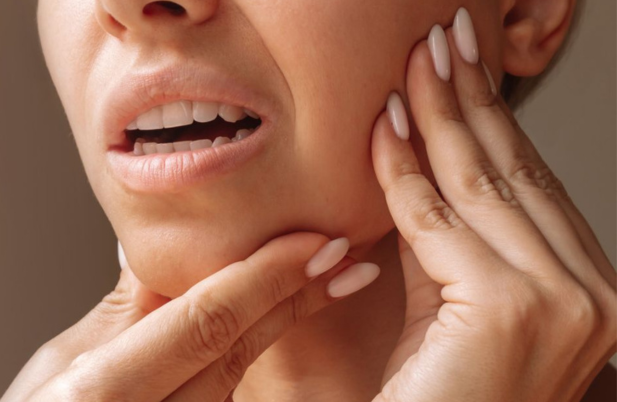
Since sleep grinding is unconscious, most people rely on the clues it leaves behind. Tick any that apply to you:
✓ You often wake up with a dull headache, especially around the temples
✓ Your jaw feels tired, tight, or sore in the morning
✓ A partner has heard you grinding at night
✓ Your teeth have become sensitive to hot or cold
✓ Teeth look flatter, shorter, or more worn than they used to
✓ You’ve noticed small chips or cracks, or a filling has broken
✓ You get clicking, aching, or tightness in the jaw joint
✓ There are ridges or indentations along the side of your tongue, or you bite your cheek
✓ You feel more stressed or anxious than usual, or sleep poorly
Ticked two or three of these? It’s worth having a dentist take a look. Grinding leaves a distinctive wear pattern that’s easy to identify, and catching it early prevents the more expensive damage that builds up over years.
Symptoms of teeth grinding
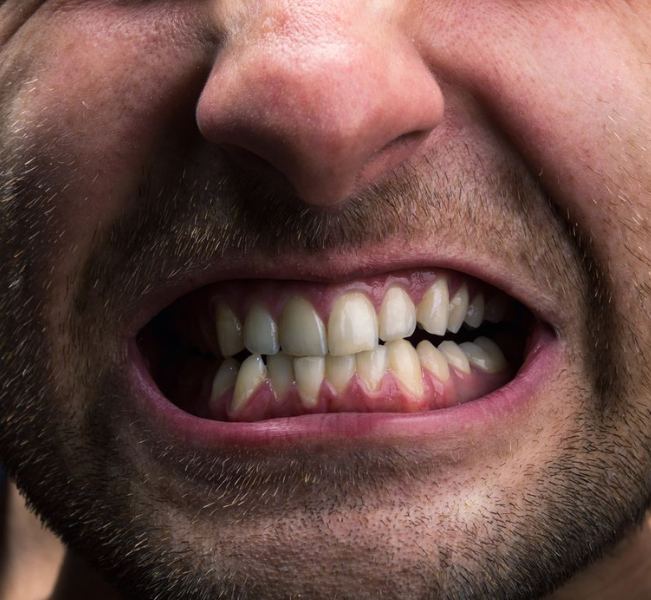
Bruxism affects more than just the teeth. Symptoms tend to fall into a few groups:
In the Teet
In the Jaw
In the Head and Face
Elsewhere
disrupted sleep, indentations along the tongue, and damage to the inside of the cheeks from biting.
What causes This Problem?
Stress and Anxiety
Sleep Disorders
Caffeine, Tobacco, and Alcohol
Certain Medications
Bite Problems
Age and Genetics
What grinding does to your teeth over time
Grinding is gradual, which is exactly why it’s so easy to ignore until real damage is done. Left untreated, it tends to progress like this:
Stage | What happens to your teeth |
Early | Enamel starts to wear. Teeth may look slightly flatter and become sensitive to hot and cold as the protective layer thins. |
Ongoing | Wear reaches the softer layer beneath. Teeth chip more easily, fillings crack, and jaw muscles ache. Headaches become more frequent. |
Advanced | Teeth are noticeably shortened, cracked, or loose. Extensive treatment such as crowns, root canals, or replacements may be needed, and jaw problems can become long-standing. |
professional treatments
Night Guards
Protect teeth from grinding and clenching while sleeping.
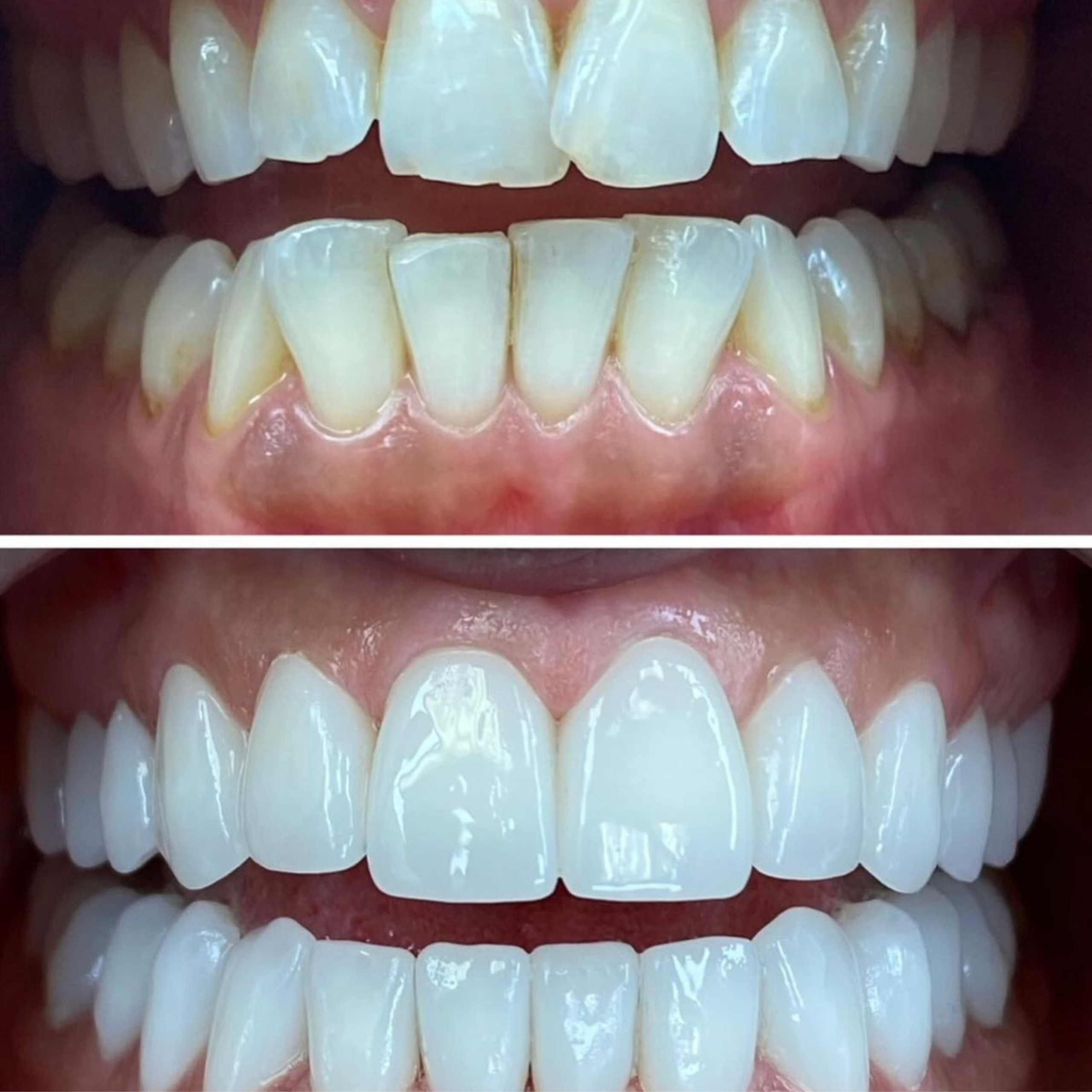
Dental Crowns and Bridges
Restore and protect teeth damaged by grinding and wear.
Bite Adjustment
Balance your bite to reduce pressure caused by grinding.
How to Prevent Your Teeth From Grinding
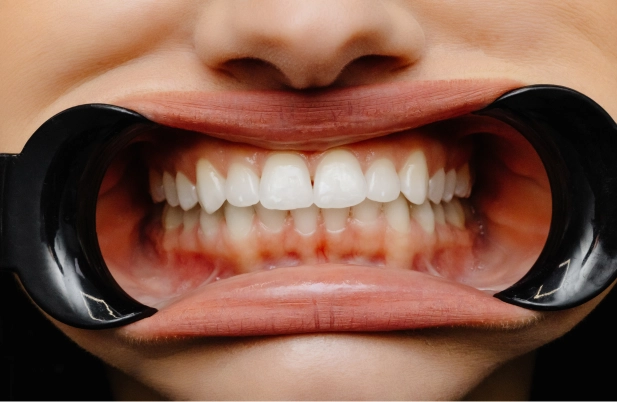
- Manage stress: Exercise, relaxation, breathing techniques, and a wind-down routine before bed all reduce night-time clenching. For persistent anxiety, professional support makes a real difference.
- Cut evening caffeine and alcohol: and avoid tobacco and shisha, all of which worsen grinding.
- Improve your sleep: A consistent bedtime, a dark quiet room, and less screen time before bed help. If you snore heavily, get it checked.
- Notice daytime clenching: Through the day, keep your teeth slightly apart with your lips together — teeth should only touch when eating. A sticky note as a reminder works surprisingly well.
- Relax the jaw: A warm compress on the jaw muscles before bed eases tension. Gentle jaw stretches can help too.
- Avoid chewing gum and hard objects: which keep the jaw muscles overactive.
These habits reduce grinding, but they don’t shield your teeth on the nights it still happens — which is where a night guard comes in.
Frequently Asked Questions
Because it happens in your sleep, you usually spot it from the clues: waking with jaw ache or headaches, teeth that look worn or feel sensitive, or a partner hearing you grind. A dentist can confirm it quickly from the wear pattern on your teeth.
There isn't a single cure, but it's very manageable. A night guard protects the teeth, and addressing the triggers — stress, sleep, caffeine, alcohol — reduces the grinding itself. For stubborn cases, treatments like Botox can help further.
A night guard doesn't stop the grinding, but it absorbs the force so your teeth are protected from wear and cracking. It also often eases the jaw ache and headaches that come with grinding.
For very occasional, mild grinding they can be a short-term option. But they fit less well, wear out faster, and soft ones can actually make some people clench more. If you grind regularly or have jaw pain, a custom guard fitted by a dentist is far better.
Yes, for stronger cases. Botox relaxes the jaw muscles so clenching is less forceful, easing jaw tension and headaches. The effect lasts around three to four months and is usually combined with a night guard and lifestyle changes rather than used alone.
Usually not. Grinding is very common in children and most grow out of it as their adult teeth come in, rarely with any damage. Have it checked if you see worn or chipped teeth, if your child has jaw pain, or if it continues into the adult teeth.