
Is Your Wisdom Tooth Hurting?
That deep ache, pressure, or swelling at the very back of your jaw is one of the most common reasons people in their late teens and twenties end up in a dentist’s chair. In most cases, it’s a wisdom tooth your third and last molar struggling to come through because there simply isn’t enough room for it.
Symptoms of a Wisdom Tooth Problem
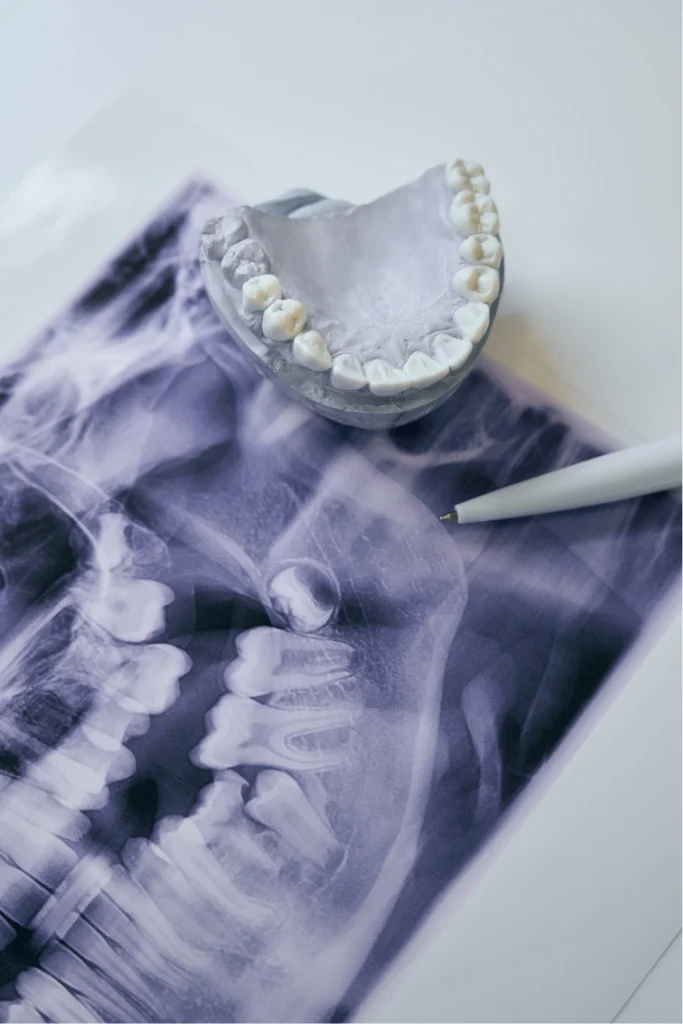
Wisdom tooth trouble rarely appears overnight. It tends to build gradually, and the most common warning signs are:
- Aching or throbbing at the back of the jaw — often the first sign, and it may come and go before becoming constant.
- Swollen, red, or tender gums behind your last molar, sometimes with a flap of gum partly covering the tooth.
- A bad taste or persistent bad breath that doesn’t clear with brushing — a common sign of trapped food and infection.
- Difficulty opening your mouth fully (your jaw feels stiff or ‘locked’).
- Pain that radiates to your ear, the side of your head, or along the jaw.
- Swelling of the cheek or jaw, and sometimes tender glands under the jaw or in the neck.
- Bleeding or sore gums around the back teeth when you brush.
- Pain when biting or chewing on that side.
If you’re noticing two or more of these, it’s worth having the tooth assessed before it flares into a more painful infection.
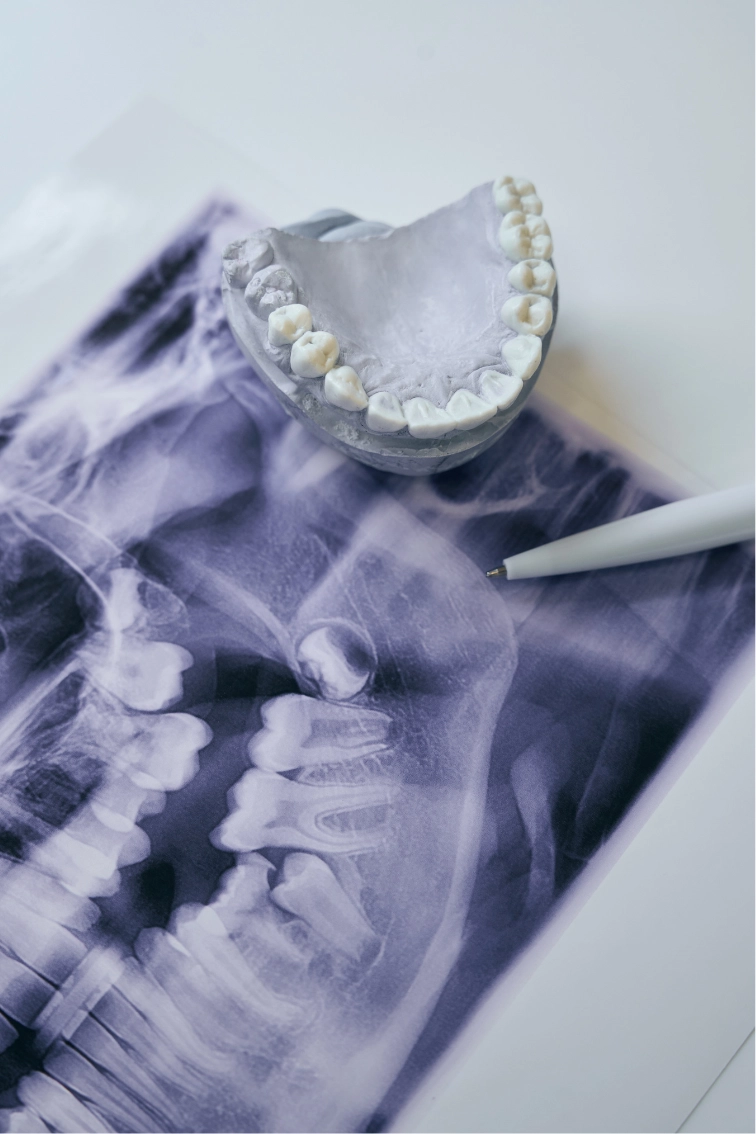
What's actually causing your wisdom tooth pain?
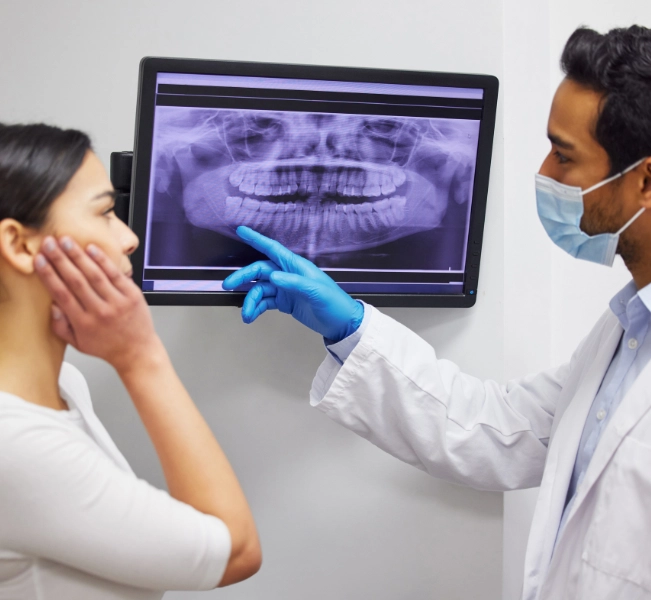
Impaction (the tooth is stuck)
Pericoronitis (gum infection around a half-erupted tooth)
Tooth Decay and Gum Disease
Pressure and Crowding
When wisdom tooth pain is an emergency
Most wisdom tooth pain is uncomfortable but not dangerous.
However, you should seek same-day dental or medical care if you have any of these:
Swelling that is spreading across your face or down toward your neck.
Difficulty swallowing or
breathing.
A jaw so stiff you can barely open your mouth.
Severe, uncontrolled pain that painkillers aren’t touching.
These can signal a spreading infection, which needs prompt treatment. When in doubt, don’t wait it out call us or go to your nearest emergency dental service.
What's Next If You Have Wisdom Tooth Pain
Treatment depends on how the tooth is positioned and whether it is causing problems.
Wisdom Tooth Extraction
If wisdom tooth pain keeps returning, extraction is often the most effective solution.
Temporary Relief
Antibiotics may be prescribed when infection is present around the wisdom tooth.
Why patients choose DentoCorrect for wisdom tooth care

- Qualified, registered dentists like Dr Waheen Haider in Lahore, Dr Haroon Saleem in Islamabad.
- Accurate diagnosis with digital imaging so we can see exactly how your wisdom tooth is positioned before recommending anything.
- ISO-certified safety and sterilisation standards.
- Transparent treatment plans — you’ll know what’s needed and what it costs before we begin.
- Comfortable, pain-free dentistry, with sedation available for anxious patients.
- Conveniently located across Pakistan, Lahore (Johar Town & Gulberg), Islamabad, Rawalpindi, Karachi, Faisalabad, Peshawar, and Multan.
Frequently Asked Questions
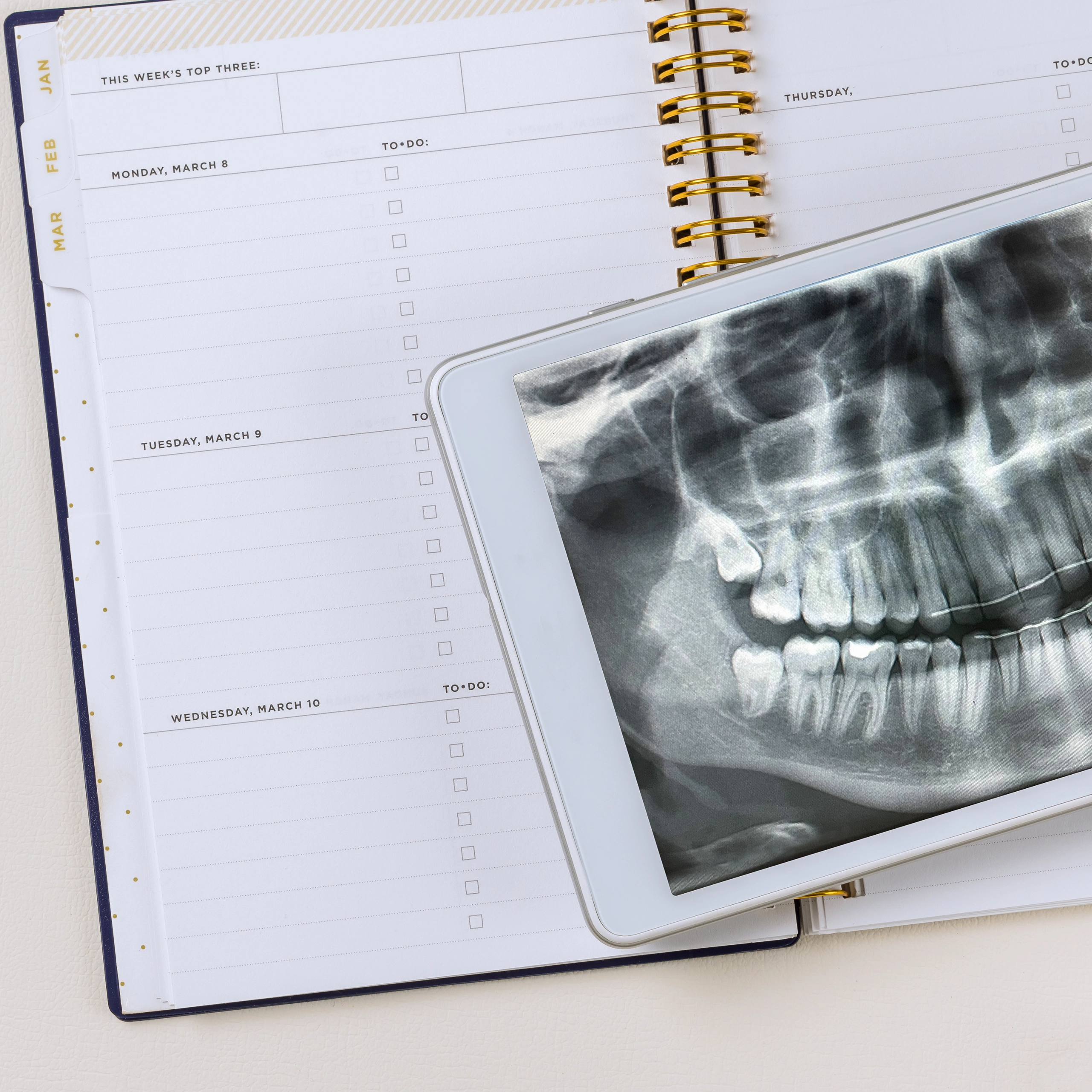
Wisdom teeth usually appear between the ages of 17 and 25 — later than all your other adult teeth, which is how they got their name.
The procedure itself is done under local anaesthetic, so you won't feel pain while it's happening — only some pressure. Afterward, mild soreness for a few days is normal and is easily managed with the pain relief your dentist recommends.
Leaving a problematic impacted or partly erupted wisdom tooth can lead to repeated infections, decay in both that tooth and the one next to it, gum disease, and in rare cases cysts that affect the jawbone. If it's causing symptoms, it's better to deal with it sooner.
Most people feel back to normal within a few days to a week. Swelling and discomfort peak around day two or three and then settle, as long as you follow the aftercare instructions.
Antibiotics can settle an active infection, but they don't fix the underlying problem. If the tooth keeps getting infected, removal is the only way to stop the cycle for good.
Yes — early on, the pain often flares and then eases for a while. Don't take a quiet spell as a sign it's resolved; recurring pain usually means the tooth needs to be assessed.
Get Your Treatment
from DentoCorrect
Our modern techniques, latest digital technologies and expert dentists guarantee remarkable results!
- ISO-Certified Safety Standards
- Accurate Diagnosis
- Transparent Treatment Plans
- Safe and Pain-Free Dentistry
Years of experience
Happy Patients