What Causes Dental Decay?
Dental problems rarely start with pain; they begin silently. One day everything feels normal, and the next, you feel a sharp sensitivity while drinking cold water or enjoying your favorite dessert. Sounds familiar? That’s often how the tooth cavity begins quietly, gradually, and without obvious warning. But what exactly causes it? And why do so many people only realize it when it’s too late?
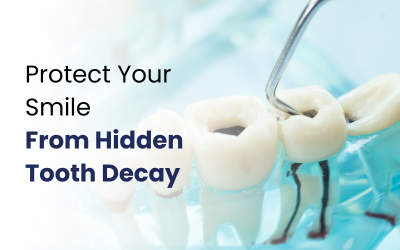
It is the process in which your tooth structure breaks down due to acid attacks. These acids are produced when bacteria in your mouth feed on sugars from the foods and drinks you consume. Over time, this acid weakens your enamel (the outer protective layer), leading to the formation of a tooth cavity, a small hole or damaged area in the tooth.
Why Does Dental Decay Happen?
1. Poor Oral Hygiene Habits
Brushing and flossing are your first line of defense. When you skip them, plaque builds up a sticky layer full of bacteria.
After a long, exhausting day, you decide to skip brushing just once. Then it becomes a habit. Over weeks, plaque accumulates, and slowly, dental decay begins to develop.
2. Frequent Snacking & Sugary Foods
Every time you consume sugar, bacteria produce acids that attack your teeth.
Example: Sipping tea with sugar multiple times a day or snacking on biscuits between meals may seem harmless. But constant exposure to sugar gives bacteria more fuel, increasing your risk of a tooth cavity.
3. Acidic Drinks and Beverages
Soft drinks, packaged juices, and energy drinks are highly acidic. They don’t just feed bacteria, they directly weaken your enamel, making it easier for dental decay to set in.
4. Dry Mouth (Reduced Saliva)
Tartar acts as an insulating layer against hot and cold. Once removed, your teeth are temporarily exposed to the elements. This sensitivity usually fades within a few days as the gums begin to heal and reattach.
5. Plaque and Tartar Buildup
If plaque is not removed regularly, it hardens into tartar, which cannot be removed by brushing alone. Tartar creates a rough surface where bacteria grow easily, accelerating dental decay.
6. Ignoring Early Signs
Many people ignore mild discomfort, thinking it will go away. A slight sensitivity today may not seem serious but over time, it can turn into a painful tooth cavity requiring advanced care.
Symptoms of Tooth Decay
Recognizing the symptoms of tooth decay early can make a huge difference in treatment. Here are the most common signs:
- Sensitivity to hot, cold, or sweet foods
- Visible holes or dark spots (early tooth cavity)
- Pain while chewing
- Persistent toothache
- Bad breath or unpleasant taste
- Swelling around the affected tooth
Dental Solutions of Tooth Decay
Keeping your teeth healthy requires timely care and the right treatment. Modern dentistry offers a variety of dental solutions to restore teeth, prevent further damage, and maintain a confident smile. Here are some of the most common and effective dental treatments you can get if you have tooth cavity:
1. Fillings
If a tooth cavity is detected early, a filling is usually the first and most effective solution. The decayed portion of the tooth is removed, and the cavity is filled with a durable material that restores the tooth’s structure and function.
Benefits of Fillings
- Stops the spread of decay
- Preserves natural tooth structure
- Painless and quick procedure
- Prevents more complex treatments later
2. Root Canal & Crowns
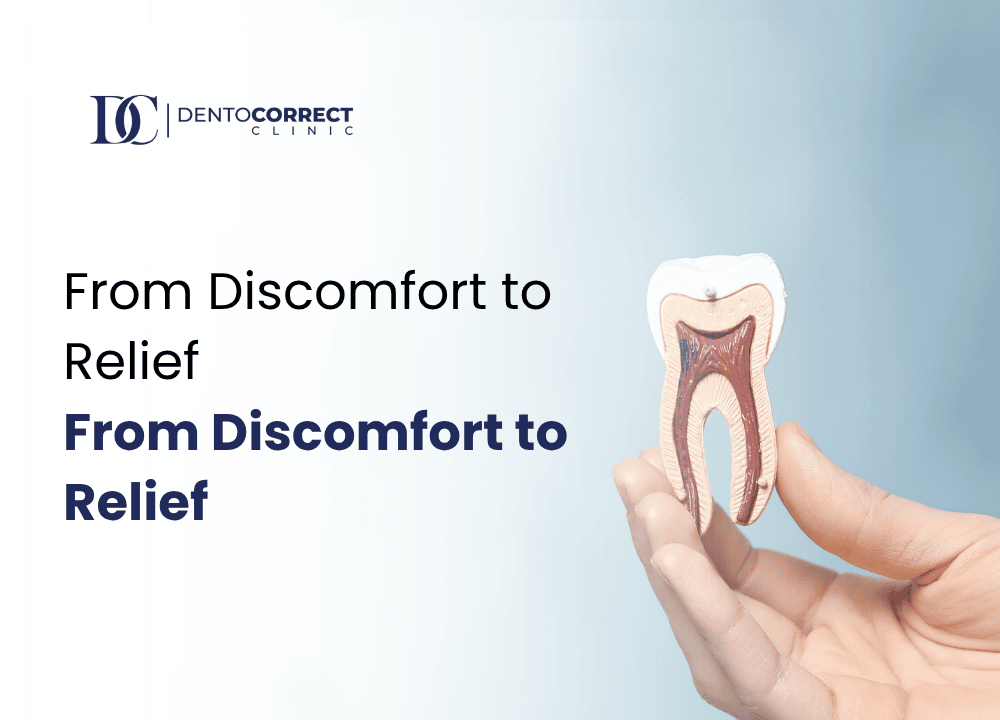
When decay reaches the inner nerve of the tooth, a root canal may be needed. This procedure removes infected tissue and seals the tooth to prevent further damage. A root canal saves a severely decayed tooth and prevents infection from spreading. People often misunderstand the difference between a root canal and an extraction. The root canal is the prior step to extraction for a tooth cavity.
After root canal dental crown is placed on a root canal treated tooth to restore and protect it, bringing back its strength, shape, and natural appearance. It protects damaged teeth from further decay and restores bite function.
3. Cosmetic and Restorative Options
In addition to treating decay, modern dentistry also focuses on restoring aesthetics. Options like tooth-colored fillings, veneers, and bonding can repair damage while keeping your smile natural and attractive.
How to Prevent and Treat Dental Decay
- Brush and Floss Consistently: Brush twice daily using fluoride toothpaste and floss after 30 mins of food intake. This removes plaque and prevents dental decay.
- Control Your Diet: Limit sugary drinks, avoid frequent snacking and drink water after meals. Small dietary changes can significantly reduce your risk of a tooth cavity.
- Stay Hydrated: Drinking enough water helps maintain saliva levels, protecting your teeth naturally.
Men: about 3 to 3.7 liters per day
Women: about 2 to 2.7 liters per day - Regular Dental Checkups: Professional cleaning removes tartar and helps detect problems early.
Don’t Let a Small Problem Turn Into Pain
Most people wait for discomfort before visiting a dentist but by then, the damage is already done. Take control early. Visit DentoCorrect Clinic for a quick checkup and expert guidance before dental decay becomes a serious issue.
Final Thoughts
Your daily habits define your dental health. It doesn’t appear overnight; it’s the result of small, repeated actions. Listen to your body. Pay attention to early signs. And most importantly don’t delay treatment.
Don’t ignore the early signs of a tooth cavity or wait for the pain to get worse. At DentoCorrect Clinic in Lahore, Islamabad, Karachi, Rawalpindi, Faisalabad and Peshawar offers expert diagnosis, painless tooth cavity treatment, and personalized care to protect your smile.
Disclaimer
This content is for informational and educational purposes only and should not be considered medical advice. Individual cases of dental decay may vary, and symptoms can differ from person to person. For accurate diagnosis and appropriate tooth cavity treatment, always consult a qualified dental professional.